










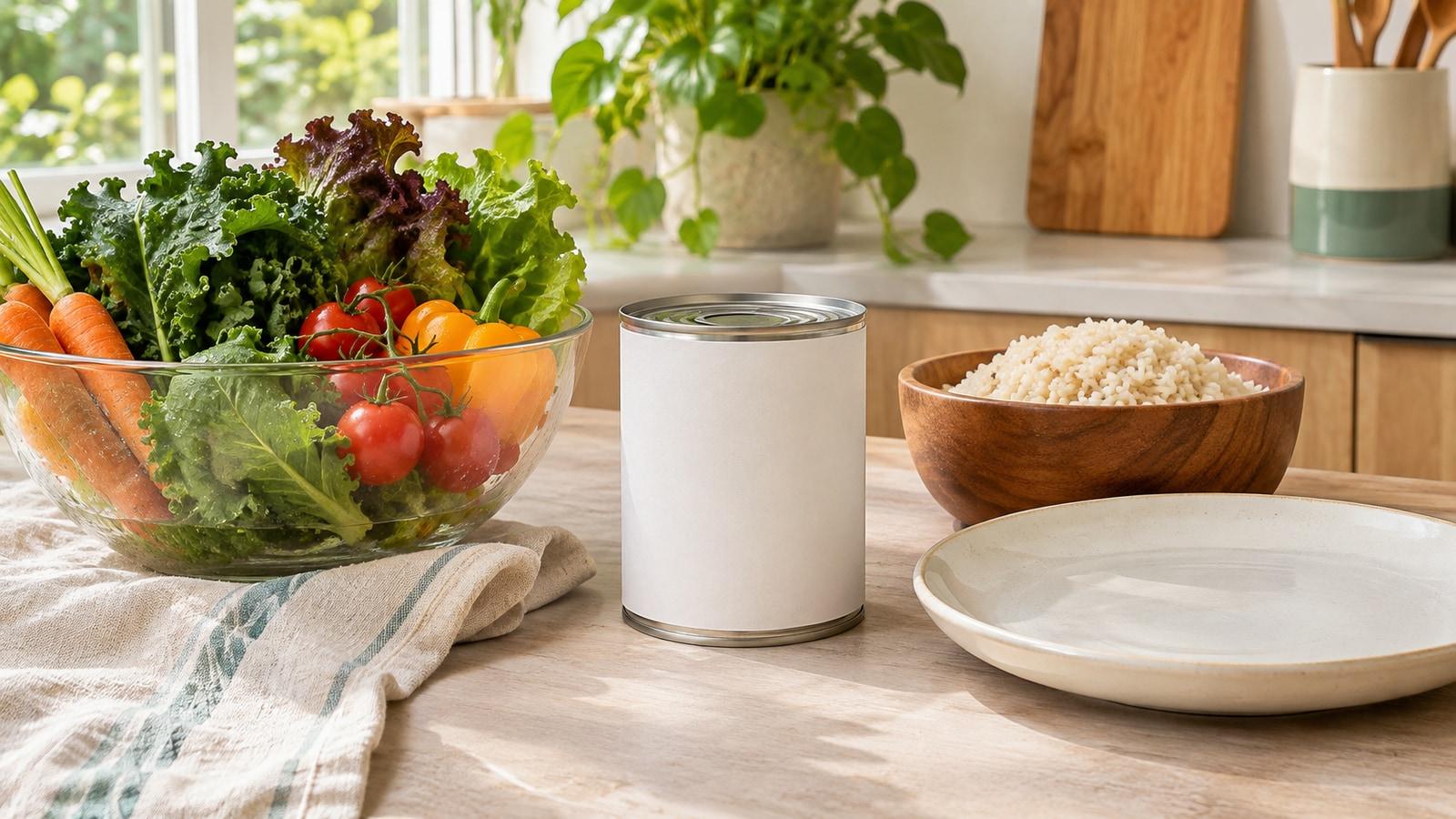
The groceries are in the kitchen. You even know what you meant to make. Somehow, though, getting from the couch to the cutting board feels like the biggest step of the whole evening.
If you have ADHD, starting a task, shifting attention and keeping track of several steps can be difficult. That doesn't mean you don't care about eating well. It may mean the plan needs a more helpful starting point.
Find the exact place you get stuck
“Make dinner” contains a lot of smaller tasks: decide what to eat, check the ingredients, clear a space, find a pan, prepare the food and clean up. Any one of those can become the point where the whole plan stops.
Try noticing the first obstacle. Do you get caught comparing options? Forget what was in the fridge? Put off washing the pan you need? Feel hungry only after you're too tired to cook? The answer can suggest a smaller change than rebuilding your entire routine.
For example, if choosing is the hardest part, make the decision earlier and leave a note where you'll see it: “Rice bowl tonight—rice in freezer, beans in cabinet.” If the pan is the problem, pick a meal that doesn't need it or wash it at a time when you have more energy.
If getting the groceries is the harder part, our ADHD grocery guide focuses on the shopping trip. Here, we're starting with food that's already home.
Make the first step almost embarrassingly small
Instead of putting “cook dinner” on a reminder, try “put the rice on the counter” or “take the bowl out.” Once that step is done, you can decide on the next one. A short written sequence can help when the whole recipe feels like too much:
- Put a bowl on the counter.
- Heat the prepared rice according to its package.
- Add beans and a vegetable you like.
- Sit down and eat.
That's one example, not a required meal. Change the ingredients, add a sauce, or choose a completely different combination. The point is to put the next action in view instead of holding the whole plan in your head.
Use reminders that point to an action
An alarm labeled “dinner” may be easy to dismiss if you don't know what happens next. A more specific prompt—“start the rice” or “choose the backup meal”—can be easier to use. Some people prefer a note on the fridge, a calendar alert, or a reminder from someone they trust.
Place the prompt where the decision happens. If you walk past the kitchen after work, a note on the counter might be more useful than a list buried in your phone. If alarms become background noise, try a different cue or fewer reminders. A tool is useful only if it works for you.
Timers can also help you keep track of food while it cooks. Use the timer that came with the appliance or another alert you can notice. If leaving food on the stove is a concern, choose a preparation method that feels safer and ask for help finding one that suits your home.
Make it easier to return after an interruption
Dinner doesn't always happen in one uninterrupted stretch. A call comes in, you remember a task you meant to finish, or you step away and forget which part you were doing. A short note beside the work area can give you a place to restart: “Rice is cooked; add the beans and heat.”
If something is heating, use a timer you can hear or see from where you'll be. If you need to step away and can't monitor a stove safely, turn it off and follow the food's safe-handling instructions. A reminder should make the cooking step safer, not become the only thing preventing a pan from being forgotten.
When an interruption is likely to last, put perishable ingredients back in the refrigerator promptly. A note can say where you left them as well as what comes next. It doesn't have to be a beautifully organized system; one sentence you can find is enough to try.
Give the first step an anchor
Try attaching the first step to something that already happens: “After I put down my work bag, I'll put the bowl on the counter.” The anchor doesn't have to be a particular hour. If you arrive home at different times, the same ordinary action may be easier to notice than an alarm that rings during a commute.
If another person is available and you'd like company, ask for one specific kind of help: “Could you stay with me while I start?” or “Can you put the clean pan on the stove?” Agree on what is helpful instead of assuming they need to take over the meal. A phone call while you begin may be an option if someone isn't nearby.
If an ADHD medication affects your appetite or timing of meals, tell the clinician who prescribes it. If you also take a GLP-1 medicine and a smaller appetite makes it hard to eat or drink enough, let your prescriber know. An easy option you like can be useful on a low-appetite day, but it doesn't replace care for persistent symptoms. Don't change a medication schedule on your own to fit a meal plan.
Adjust the system, not your expectations of yourself
If a reminder or rotation stops helping, it isn't a character flaw. Maybe the alarm comes too late, the food doesn't sound appealing anymore, or cleanup is still the obstacle. Change one part and see whether it makes starting easier.
The best dinner plan is one that gets food you like onto a plate with a manageable amount of effort. It can be flexible, repetitive, shared with someone else, and much simpler than the plans you see online.