










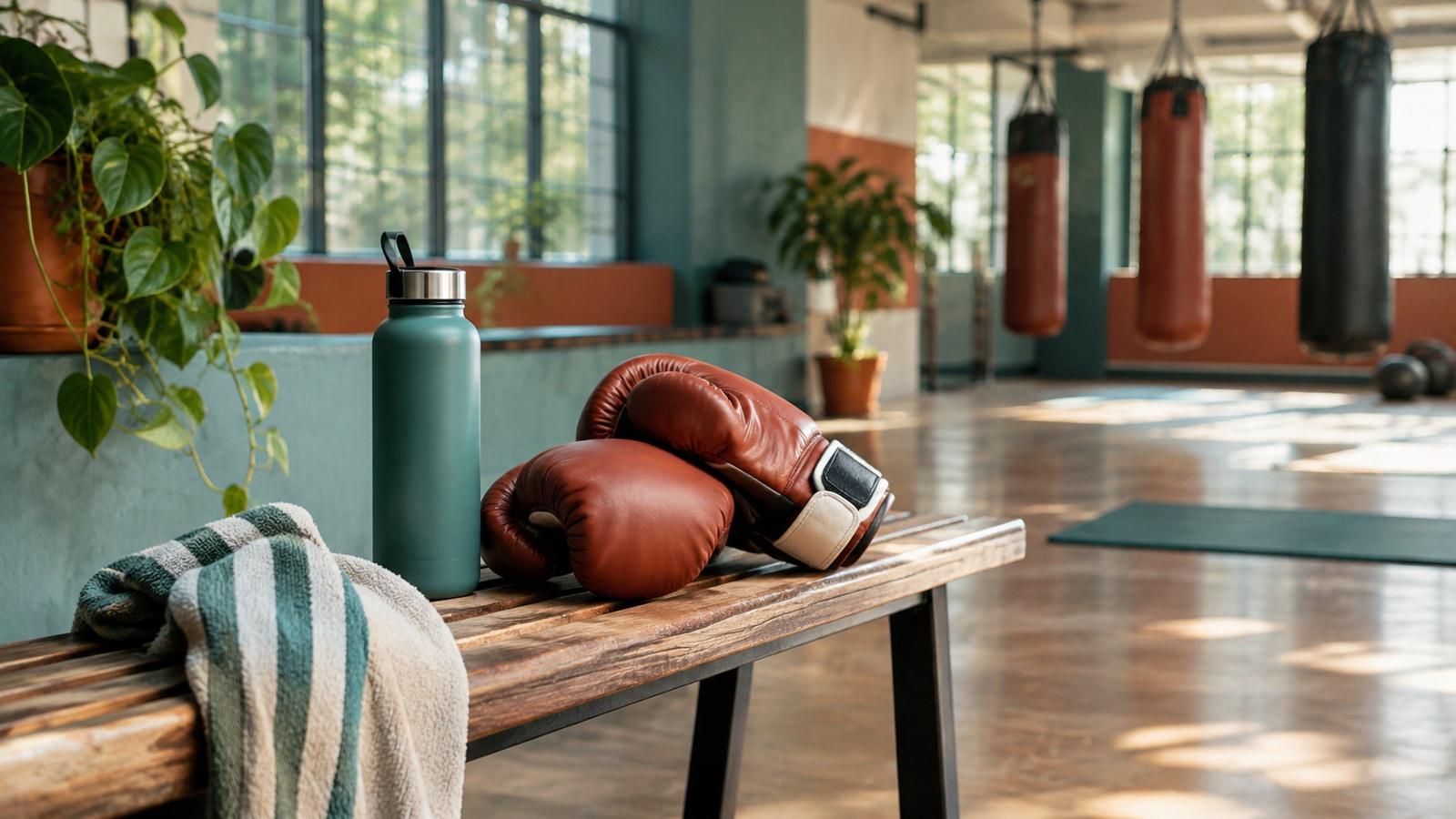
You can try a boxing-inspired class without stepping into a ring or sparring with another person. Many fitness sessions use combinations of punches, footwork and other movements with no person-to-person contact. Some use bags or pads; others use only the space around you.
If that sounds interesting, the first task is finding out what the particular class means by “non-contact.” Formats vary, and a few questions before you arrive can help you choose a session that fits.
Ask what happens in the room
Does the class involve punching a heavy bag, working with a partner holding pads, shadowboxing in the air, or a circuit with other exercises? Will an instructor demonstrate the movements? Is the class designed for people who are new to boxing?
You can also ask how busy the room gets, whether there are breaks, and what alternatives are offered for movements such as jumping or floor exercises. A beginner label is helpful, but the instructor's explanation of the actual session will tell you more.
Ask how much space each participant has around the bag or exercise station. Knowing where to stand and how to move between stations can make a crowded room easier to navigate.
If you don't want partner drills, say so. A class can be non-contact between participants while still involving a partner and pads. Make sure you know what you're signing up for and can opt for another activity if a drill doesn't suit you.
Check the equipment before buying it
For bag or pad work, ask the instructor what gloves and hand wraps they recommend and whether equipment can be borrowed. Gloves need to fit, and wraps should be applied correctly; neither makes it safe to strike as hard as possible without learning technique.
Have a coach show you how to put on and remove the equipment. Tell them if the wrap feels too tight, your fingers tingle, or a glove rubs or moves around. Stop and adjust with their help. If the class involves only shadowboxing, its equipment needs may be different.
Wear shoes and clothing suited to the floor and the movements. You don't need a full wardrobe of boxing gear for a trial class. Ask about loaner equipment, cleaning practices and any other requirements before you spend money.
Learn the movement at a comfortable pace
An instructor may introduce a stance, a few basic punches and simple footwork. Watch the demonstration, ask where to stand, and give yourself time to understand the sequence. You can practice slowly before trying to match the group.
The first session isn't a test of how hard you can hit. Good instruction includes control and a manageable pace. If a punch or movement causes pain in your hand, wrist, shoulder or another area, stop and tell the instructor. Ask whether there is an alternative; don't push through pain to finish a round.
If you have a recent injury, balance concern, heart condition or another reason to be unsure about vigorous activity, ask your clinician what to consider before starting. The instructor can then help you discuss appropriate modifications within the class.
Give yourself permission to pause
Boxing circuits can move quickly between activities. You may prefer to take a break, do fewer repetitions or skip a movement while you learn the format. Tell the instructor before class if you want help finding a quieter place or a lower-impact option.
Bring water unless you have individual fluid instructions that say otherwise, and pay attention to how you feel. Stop and seek appropriate help for chest discomfort, severe dizziness or other concerning symptoms. If you use a GLP-1 medicine and nausea or lightheadedness is interfering with activity, discuss persistent symptoms with your care team.
You don't have to treat a hard class as evidence that a workout was successful. A session you can follow, recover from and enjoy may be a better reason to return.
Notice the coaching style
A useful first class leaves room for questions. The instructor should be able to show you an alternative, explain equipment and respect your decision not to participate in a drill. If the pace is too fast to learn safely, ask whether the gym offers a slower introduction or a smaller group.
The atmosphere matters too. Some people enjoy loud music and a crowded room; others prefer more space or clear visual cues. Ask about class size and communication options if those details will make a difference for you.
Decide what you want from it
You may like the rhythm of a combination, the focus of learning a skill, or the company of a group. You may discover that a different kind of movement is more enjoyable. Either outcome is useful.
Non-contact boxing can be one option in a broader routine, not an obligation or a promise about weight. Start with a class that explains what it does, fits your needs and lets you learn at a pace that feels manageable.