










A small plate can look quite different depending on what's on it. A bowl of leafy greens, a handful of nuts and a piece of fish all bring something useful, but they don't bring the same amount of energy or the same nutrients.
That's where two similar-sounding terms come in. Energy density and nutrient density answer different questions. Understanding the difference can help when a GLP-1 makes your usual portions feel too big.
Energy density: how much energy is in an amount of food?
Energy density describes the calories in a given weight of food. Foods with more water generally provide fewer calories for the same weight than foods with less water and more concentrated energy.
Think about grapes and raisins. A grape contains much more water; a raisin is dried fruit. A small handful of raisins can pack more energy into a smaller volume than a similar-looking handful of grapes. Both can be enjoyable. The difference helps explain why they may play different roles in a snack.
Nuts and oils are also relatively concentrated sources of energy. Soup, fruit and many vegetables contain more water. These descriptions aren't grades for the foods. They tell you something about the amount of energy in a given amount, not whether a food belongs in your kitchen.
Nutrient density: what else does the food provide?
Nutrient density considers useful nutrients in relation to calories. A food can provide protein, vitamins, minerals, fiber or a combination of these. Researchers and nutrition guides don't all use the exact same scoring system, so you won't find one perfect number on every package.
For a practical example, a serving of plain yogurt can contribute protein and calcium; berries can add fiber and other nutrients; nuts can contribute unsaturated fat and energy. Put them together if you enjoy them, but there's no requirement to build a perfect bowl.
The two ideas can overlap. Nuts are energy dense and also provide useful nutrients. A food isn't automatically “empty” just because it's higher in calories, and a low-calorie food isn't automatically a complete meal.
Why the distinction matters on a GLP-1
If you're satisfied after a smaller portion, a huge bowl of very low-energy foods may fill the available space without providing enough overall nourishment. On the other hand, a meal made entirely of concentrated foods might feel too rich for some people.
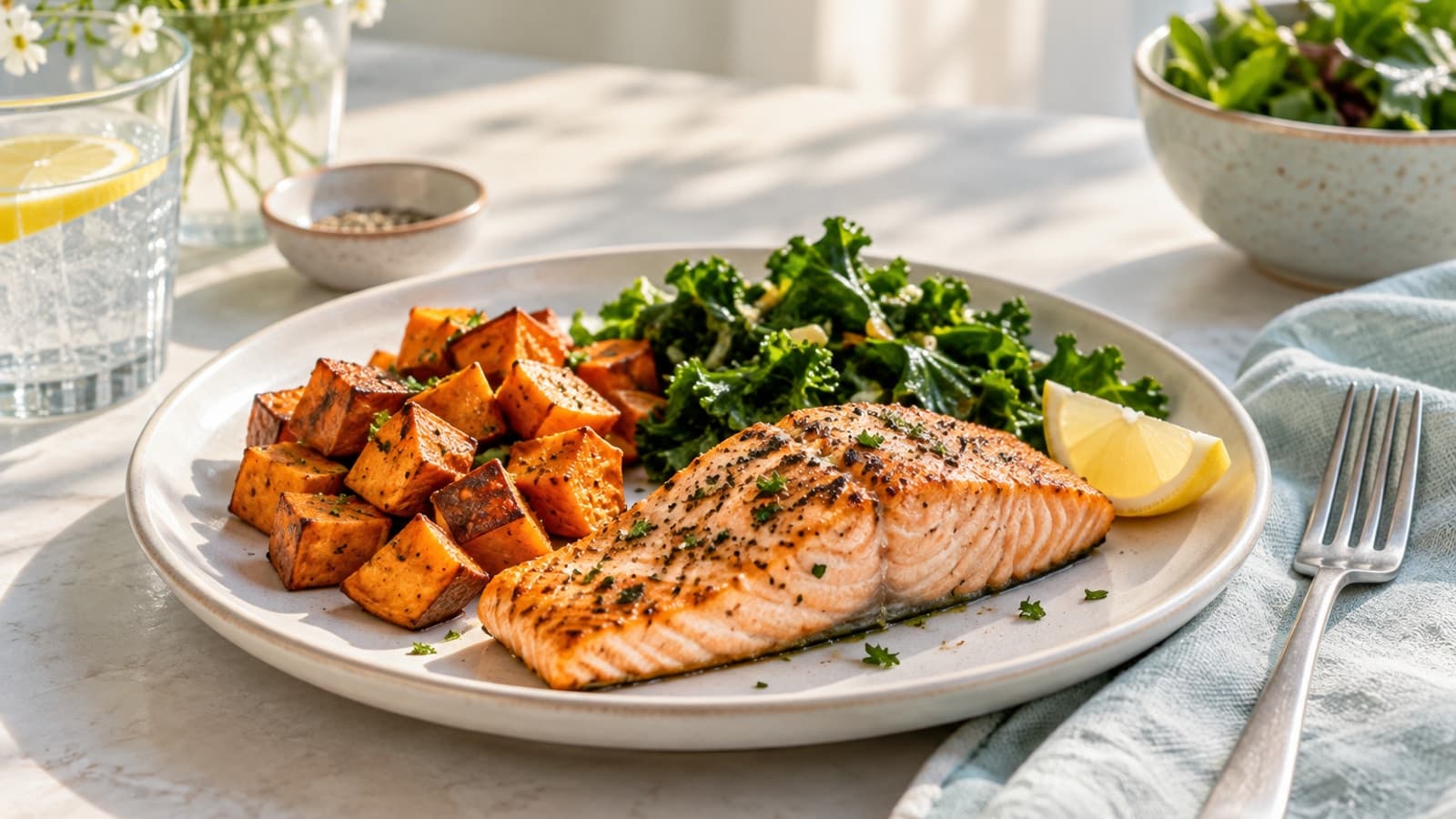
One approach is to combine foods with different jobs. A small plate of fish, sweet potato and cooked greens, for example, brings protein, carbohydrate and a variety of nutrients. A spoonful of olive oil or a sauce can add flavor and energy. Adjust the foods and amounts to your appetite, preferences and any medical guidance.
If you're vegetarian, the same idea might look like tofu, rice and vegetables. If you're short on time, a small bowl of bean soup with toast may be more realistic. There isn't one required ingredient or plate shape.
Use the label as a comparison tool
When looking at packaged foods, check the serving size first. Then look at the information that answers your question: protein if you're comparing two yogurt options, for example, or fiber if you're comparing similar breads.
Calories tell you about energy. They don't tell you everything about the nutrients, taste, cost or satisfaction a food offers. Likewise, a long list of vitamins on the front doesn't make a product necessary for everyone.
If your appetite has been very low, you feel weak, or you're struggling to eat a variety of foods, talk with your care team or a dietitian. They can help you think through the amount and type of food you need. Our small-appetite guide has additional ideas for the day-to-day routine.
You don't need to calculate density at every meal. Use the concepts as a reminder to make room for both nourishment and enough energy in a pattern you can actually enjoy.