










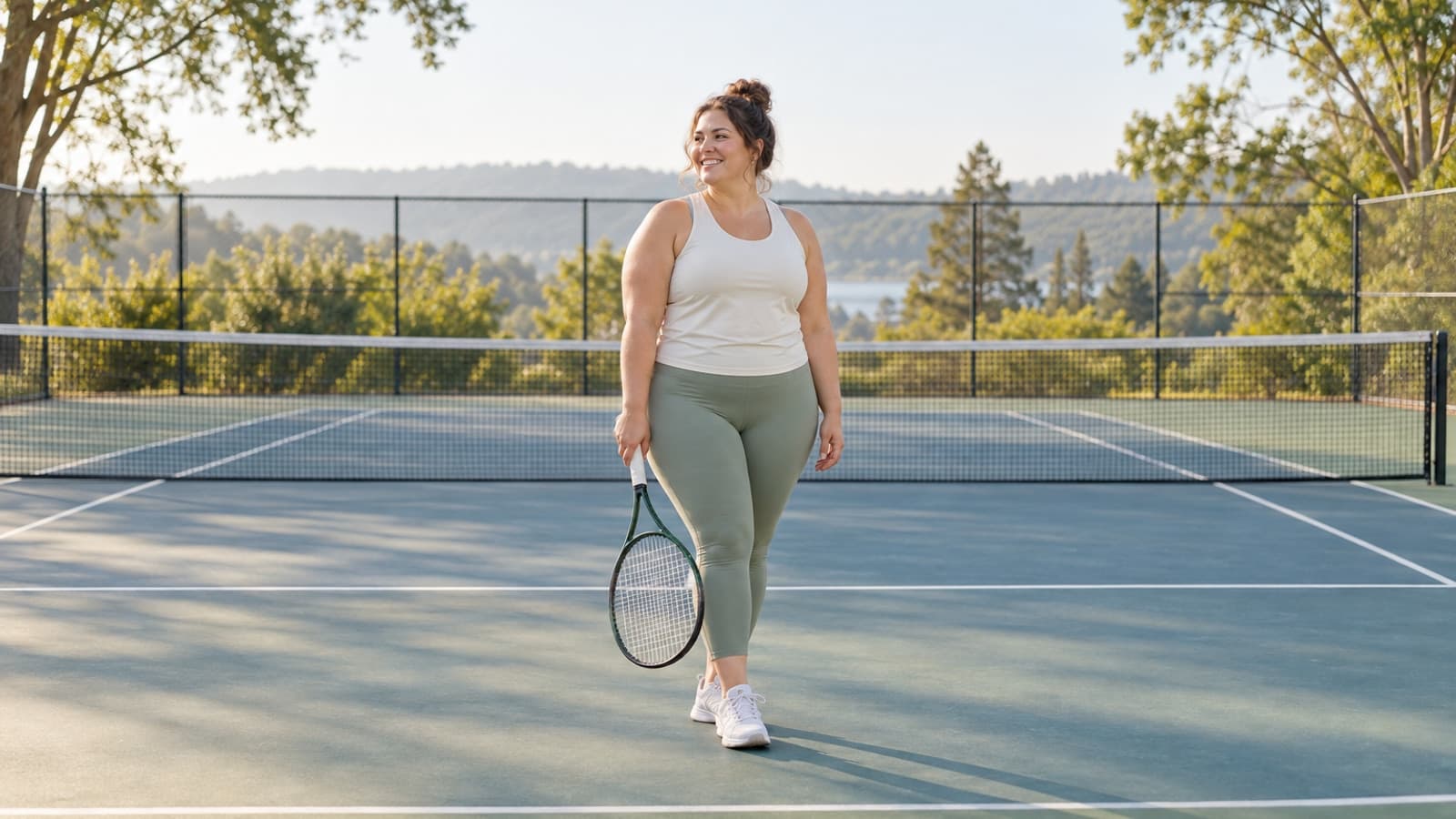
Maybe you used to play tennis, swim laps or join a weekend softball game. You’ve thought about going back, but the idea of walking into a class or onto a court feels bigger than the activity itself.
You don’t need to wait for a particular clothing size to explore a sport you enjoy. You can choose a way back that fits you now, including how long you stay, whom you go with and what support you want.
Pick the part you miss
Was it the game, the people, being outdoors or learning a skill? Your answer can shape the first step. If you miss hitting a ball, a short practice with a friend may be more appealing than signing up for a league. If you miss the group, watching a session or meeting the instructor first may help you decide whether to join.
Look for a beginner or returning-player option if you want one. Ask how the session is organized, whether breaks are available and whether equipment can be borrowed. If an activity requires a membership, find out about cost and cancellation before committing.
You can also ask practical questions about the space: Is there seating near the court? Are changing rooms accessible? Can you arrive a few minutes early? The answers can make the visit easier to plan without requiring you to explain your health history to everyone there.
Choose support that feels useful
A friend might come along, help you find the entrance or simply meet you afterward. An instructor can explain the format and offer alternatives for movements that don’t feel right. Tell them what you need in ordinary terms: “I’m returning after a break and would like to take this at my own pace.”
You don’t owe anyone a weight-loss story. If an instructor makes assumptions about your ability or comments on your body, you can redirect the conversation, speak with the facility or look for another group. A welcoming environment should make it possible to ask questions and participate without being shamed.
Likewise, don’t assume everyone in a larger or smaller body has the same fitness or limitations. Your own experience and health needs are more useful guides than someone else’s appearance.
Start at a level you can manage
Your first session could be a brief practice, a modified class or a conversation with a coach. Allow time to warm up, take a break and see how you feel afterward. You can build from there with guidance that suits the sport and your circumstances.
If you have a chronic condition, an injury, symptoms or a long break from vigorous activity, ask a healthcare professional what kind of return is appropriate for you. A physical therapist or qualified instructor may help adapt the activity when pain or mobility is a concern.
Stop and seek help for concerning symptoms. Possible heart attack signs, including chest discomfort with shortness of breath, call for 911 rather than pushing through the session. For new pain or dizziness, stop and get medical advice about what to do next.
Decide what a good first visit means
It might mean meeting the coach, staying for ten minutes, learning where to borrow a racket or enjoying a game with someone kind. It doesn’t have to mean keeping up with the most experienced person there.
Afterward, consider what worked: the time of day, the pace, the shoes, the atmosphere or the company. Change one thing next time if you want to. You can try another sport or decide a particular group wasn’t a fit.
Our support team guide can help you identify people to ask about movement and care. The activity belongs in your life because you value it, and you get a say in how you return.