










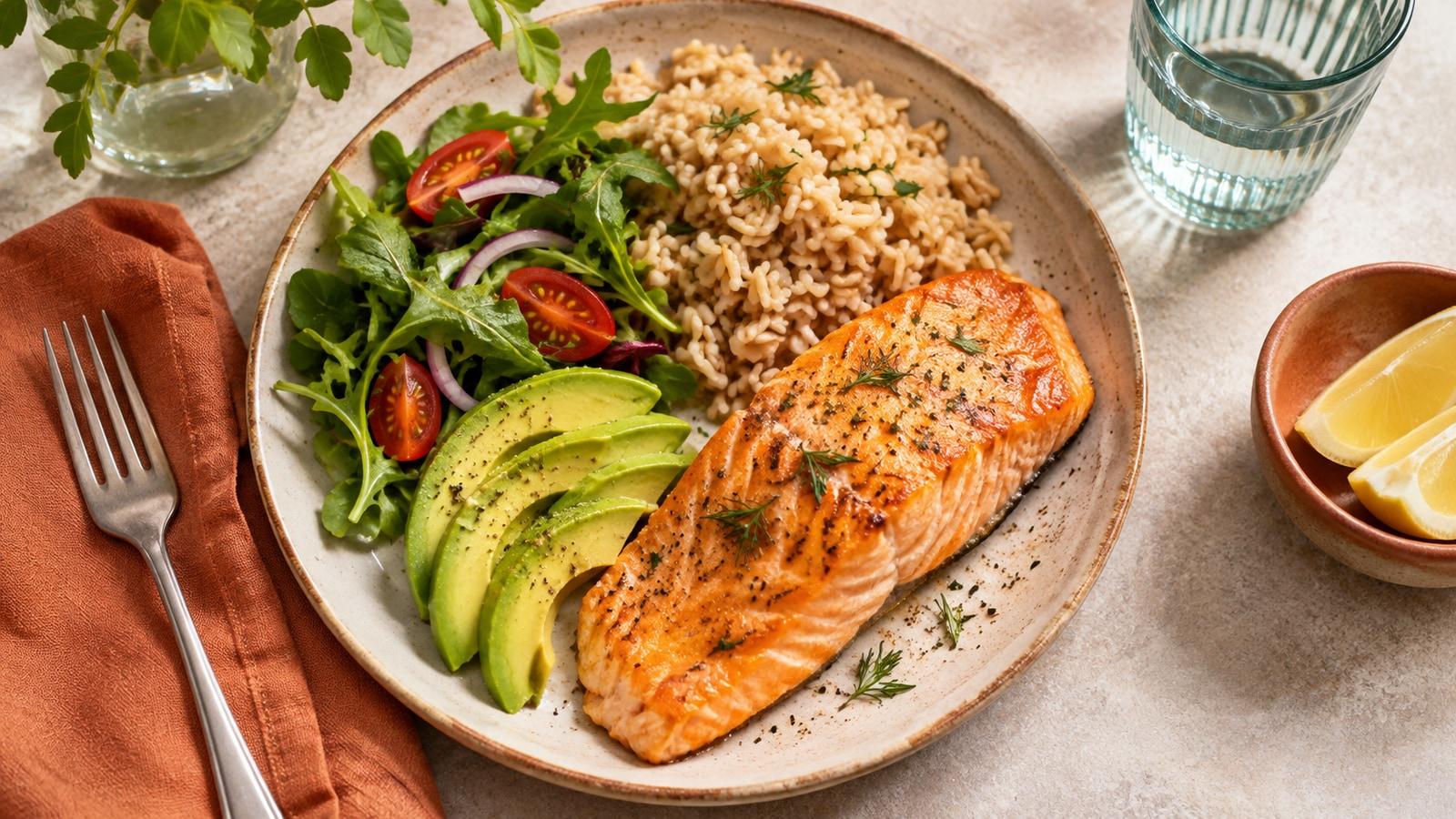
If you read about eating while taking a GLP-1, you'll see plenty of advice about protein. You may see less about carbohydrate and fat, or find suggestions that one of them should disappear from your plate.
Protein, carbohydrate, and fat are all nutrients your body uses. They have different jobs, and many foods contain more than one of them. Understanding the basics can make it easier to build meals you enjoy without feeling that every plate needs a perfect ratio.
Protein helps build and maintain body tissues
Your body breaks dietary protein into amino acids, which it uses for many purposes, including building and maintaining tissues and making substances the body needs to function. Protein is found in foods such as fish, poultry, eggs, dairy, tofu, beans, and lentils.
The food you choose doesn't have to look like a large piece of meat. A bowl of lentil soup, yogurt with fruit, or a tofu-and-rice bowl can all contribute protein. Amounts differ, so a label or a conversation with a dietitian can help if you're trying to understand what works for you.
If a GLP-1 has made meals smaller, you might find it helpful to keep a few protein-containing foods you like within reach. That isn't an instruction to force a large portion when you're uncomfortable. If you're regularly unable to eat enough, ask your care team for help making the overall routine workable.
Carbohydrate can provide energy
Carbohydrates include sugars, starches, and fiber. Your body breaks down many carbohydrates into glucose, which cells use for energy. Foods containing carbohydrate include grains, potatoes, beans, fruit, milk, and many vegetables.
Those foods aren't all interchangeable. A bowl of beans, a piece of fruit, and a slice of bread differ in texture and in what else they provide. Fiber is a type of carbohydrate that is handled differently from sugars and starches and is found in many plant foods.
If you manage diabetes, the amount and timing of carbohydrate may be part of your individual plan. Ask your care team how to fit that plan around a changing appetite or meal schedule. Don't change a diabetes medication based on a general article about food.
Fat has jobs beyond adding flavor
Fat provides energy and helps the body absorb certain vitamins. Foods such as olive oil, nuts, seeds, avocado, and fish contain different kinds of fat. Fat can also affect a meal's flavor and texture: think of a little olive oil in a dressing or nuts added to a bowl of oatmeal.
The type and amount that work for you depend on your overall eating pattern and health needs. If you have been given advice about cholesterol or another condition, a dietitian can help you apply it to foods you actually like.
Some people taking GLP-1 medicines notice that certain meals are uncomfortable, especially when nausea is present. You can describe what you ate and how you felt to your care team without assuming that all fat must be avoided. Persistent vomiting or difficulty keeping fluids down deserves prompt medical advice.
Most foods don't fit in just one box
A carton of yogurt can contain protein, carbohydrate, and fat, with amounts that vary by product. Beans provide carbohydrate and protein. Nuts contain fat and protein. A mixed meal brings those foods together, so labeling one ingredient as only a “carb” or only a “protein” can leave out part of the picture. Foods also provide different vitamins and minerals, and drinks contribute fluid; those details won't show up in a simple protein-carbohydrate-fat comparison.
Consider a simple lunch: rice, beans, vegetables, and a sauce you enjoy. The rice and beans contribute carbohydrate; the beans also contribute protein; the sauce may add fat and flavor. You can adjust the ingredients for your appetite, culture, budget, and preferences without calculating a universal percentage for each one.
Or take breakfast: yogurt, fruit, and a little nut butter. The combination offers different nutrients and textures. If you avoid dairy or nuts, choose alternatives that fit your needs and check the labels, since products differ.
Does every meal need all three?
Not necessarily. A snack might be a piece of fruit on its own; another time you may want fruit with cheese or nuts. What you eat over time matters more than making every eating occasion match a diagram.
If your appetite varies, a flexible plan may be more realistic than trying to assemble the same kind of plate at every meal. Keep familiar foods available and make room for foods you enjoy. Your clinician or dietitian can help with specific needs, especially if you have diabetes, kidney disease, food allergies, or another condition that affects your eating plan.
Protein, carbohydrate, and fat aren't competing teams. They are different parts of food that can work together in meals. The goal is to find combinations that nourish you, feel comfortable, and fit your life.