










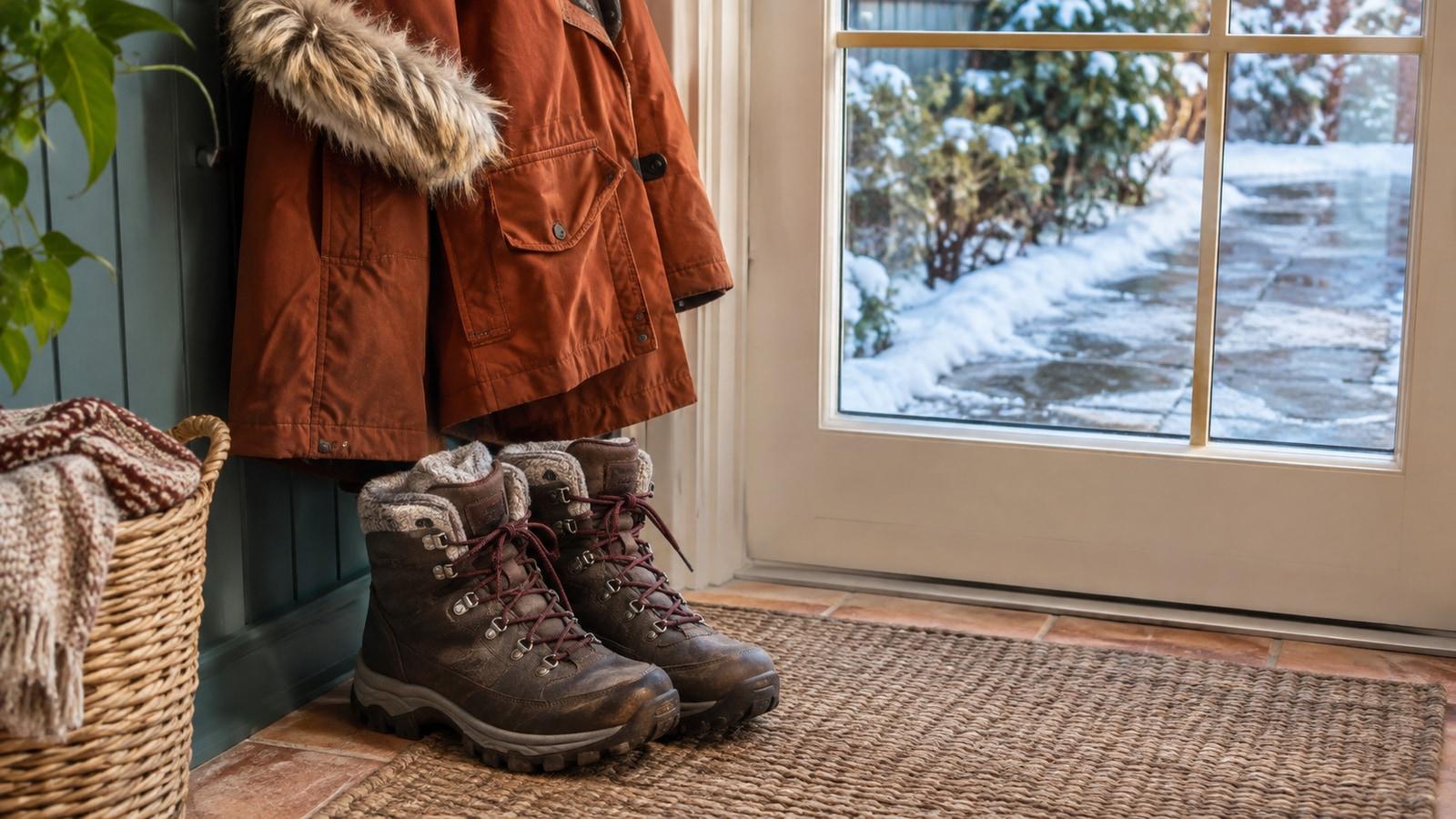
The forecast says it's only a little below freezing, so you put on your coat and head for your usual walk. Then you see a shiny patch at the end of the driveway. Suddenly the question isn't how far you'll go; it's whether you can get there and back safely.
Winter walking can be enjoyable, but ice changes the decision. You don't need to meet a step target on a slippery sidewalk. Checking the route, wearing appropriate footwear and having another option in mind can make the day less stressful.
Look at the surface, not just the forecast
A temperature above freezing doesn't guarantee that every path has thawed. Shade, compacted snow and overnight refreezing can leave slick spots after the street looks clear. Ice can also be hard to see, especially in poor light.
Before leaving, check the entrance to your home and the first stretch of the route. Think about stairs, curb cuts, parking lots and the place where a cleared sidewalk meets an uncleared one. A path that's easy in summer may be awkward when snow has narrowed it.
If you have a choice, pick a well-cleared route and go during daylight. Allow extra time so you aren't rushing to cross a parking lot or make an appointment. If conditions look unsafe, turning around is a good decision—not a missed opportunity.
Choose shoes for the conditions
Well-fitting footwear with a good grip is a useful starting point. Check the soles of your usual shoes: worn tread can make a winter outing less secure. Your feet should feel comfortable and stable, with enough room for the socks you plan to wear.
Some people use removable traction devices designed for ice and snow. They need to fit the shoe and the conditions, and they can be slippery or unsuitable on indoor floors or other surfaces. Follow the product instructions and remove them where appropriate; a traction device is not a guarantee against falling.
If you use a cane, walker or another mobility aid, ask a physical therapist or the equipment supplier about options that fit your device and the surfaces you encounter. Don't attach something improvised that could make the aid less stable.
Dress so you can move and see
Several layers can be easier to adjust than one very heavy layer. Warm, dry hands matter too: gloves let you keep your hands available rather than tucked into pockets if you need to steady yourself. Choose a hat or hood that doesn't interfere with your ability to see or hear traffic.
Carry only what you need and consider how you'll bring it home. A bag that leaves your hands free may be easier than juggling groceries, but fit and balance matter. If conditions are poor, it may be a day to ask someone for help with an errand rather than carrying a heavy load on an icy route.
Keep a phone accessible if you carry one, and let someone know where you're going when that would be helpful. If you're heading out in a storm or extreme cold, check local conditions and reconsider whether the trip is necessary.
Decide where to turn back before you leave
Pick a route with options: a nearby loop, a cleared entrance, or a place where you can safely return home. Avoid assuming the entire route will match the first block. A smooth-looking patch can be ice, and a layer of snow may hide an uneven surface.
Take your time and use cleared paths where possible. If you reach a surface that feels unsafe, don't step onto it just to keep the routine intact. Wait for it to be cleared, choose another route, or go back indoors.
If you fall and are injured, get help. A head injury, severe pain, inability to stand, or other concerning symptoms deserves prompt attention. Tell a clinician about recurring slips or unsteadiness even if you haven't been hurt; they can help you consider balance, footwear and other factors.
Have an indoor alternative you actually like
An indoor option doesn't have to imitate your outdoor walk. You might walk through a shopping center, do a gentle routine in a clear room, visit an accessible community space, or choose a rest day. Consider travel conditions too; driving to an indoor location isn't helpful if the roads are unsafe.
If you have a health condition or mobility concern, ask a clinician or physical therapist which activities fit your circumstances. And if you take a weight-management medicine that sometimes leaves you nauseated or lightheaded, pay attention to how you feel before heading out. Contact your care team about persistent symptoms.
It can help to plan for winter before the first icy morning: identify one cleared route, check your footwear, and choose a comfortable backup. Then each day is a smaller decision. Walking is there when conditions allow, and staying inside is a sensible option when they don't.