










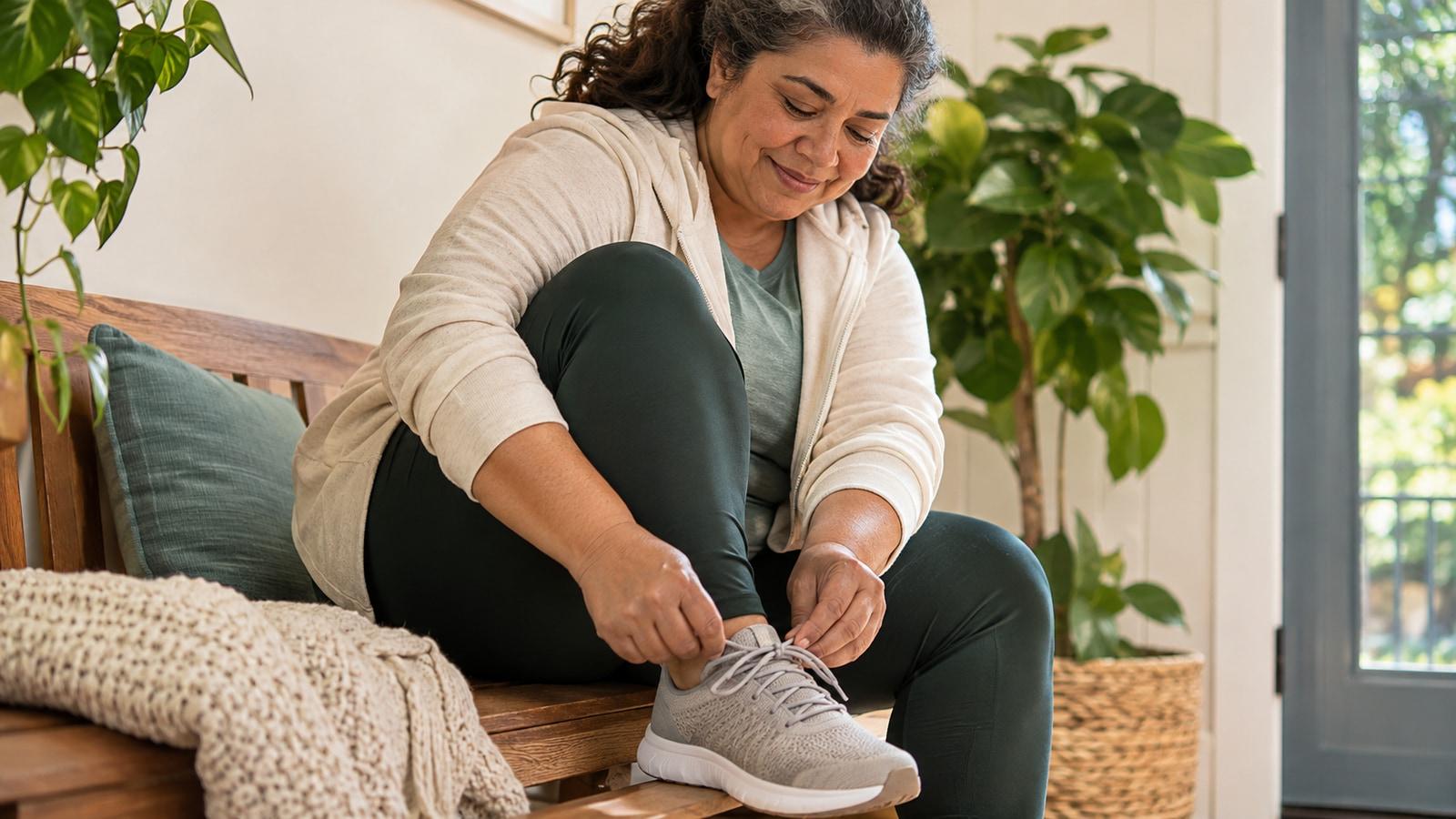
If your feet tingle, burn or feel numb, advice to “take a walk every day” may leave out some important questions. Is that activity comfortable for you? Are your shoes protecting your feet? Would you notice a blister before it became a bigger problem?
Peripheral neuropathy affects nerves outside the brain and spinal cord. It can have different causes and symptoms, so the right weight-care routine depends on your own health history. Start with the care team that knows your condition and build from there.
Describe what you notice
Neuropathy can involve pain, tingling, numbness or changes in sensation. Some people have difficulty with balance or walking. Tell your clinician where you notice symptoms, when they began, whether they're changing and how they affect everyday activities.
Don't assume a new symptom has the same cause as an older one. New weakness, rapidly worsening symptoms, a foot wound or a sudden change in your ability to walk should be discussed promptly with your care team. Call 911 immediately for sudden weakness with signs such as face drooping or trouble speaking.
If you have diabetes, share your glucose-care plan and any relevant changes with the clinician. Neuropathy also has causes other than diabetes, and a clinician can decide what evaluation makes sense.
Put foot protection ahead of a step count
When sensation is reduced, you may not notice rubbing or a small injury right away. Ask your clinician or foot-care specialist how to inspect your feet and what changes to report. For people with diabetes, daily checks for cuts, redness, blisters, swelling and other changes are commonly recommended.
If you can't see the bottom of your feet, a mirror or help from someone you trust may make checking easier. Report a new sore or other concerning change to your care team promptly. Don't attempt to cut away a corn, callus or wound yourself.
Ask about shoes that fit your feet and activity. Check inside them for objects or rough spots before putting them on. If you have diabetes-related foot risk, your care team may advise wearing protective shoes or slippers even indoors. The specific footwear recommendation should account for your feet and any existing wounds.
Choose movement for your situation
Walking is one option, not a requirement. Depending on your symptoms and your clinician's advice, you might explore a seated activity, a pool-based class, a cycle or another movement that feels manageable. Each has its own access and safety considerations.
Ask how to protect your feet during and after activity and whether an existing sore changes what you should do. A physical therapist can help assess balance, equipment and movements suited to your abilities. If an activity causes new pain, rubbing or worsening symptoms, stop and discuss it with the team.
You can choose a goal beyond a daily step number: getting comfortably to the grocery store, standing long enough to prepare a meal, or participating in a class with a friend. A meaningful goal should reflect what you want to do and the supports available to you.
Make the home setup work for you
Good lighting and a clear path can make it easier to notice obstacles. If balance is a concern, ask a professional about supports that fit your home rather than grabbing an unstable piece of furniture. Keep frequently used items within reach, and allow time for the tasks that require more attention.
Temperature can be harder to judge when sensation is reduced. Ask your care team how to protect your feet from heat and cold. Avoid assuming that you would feel a surface or water that is too hot.
If preparing meals is difficult because of hand symptoms, tell the clinician. An occupational therapist may have ideas for handles, opening packages or arranging the work area. You can also ask someone to help with a specific step while keeping the food choices yours.
Bring medication and nutrition questions together
Neuropathy care, diabetes care when relevant, and weight treatment should not be separate conversations that leave you coordinating conflicting instructions. Bring a current medication list and tell each prescriber about new symptoms.
If a GLP-1 medicine affects your appetite or causes nausea, explain how that changes your ability to eat or drink. If you have diabetes and take medicines that can cause low blood sugar, ask how your existing glucose plan applies during changes in food or activity. Don't adjust medications without the prescriber's advice.
Agree on follow-up
Before leaving, ask which foot changes need a same-day call, whether you should see a foot-care specialist or physical therapist, and what kind of activity is appropriate right now. If you already have a foot-care plan, review whether it still fits.
Weight care should help you do more of what matters while protecting the parts of your body that may be harder to feel. A thoughtful plan starts with your symptoms and gives you practical support for the next step.