










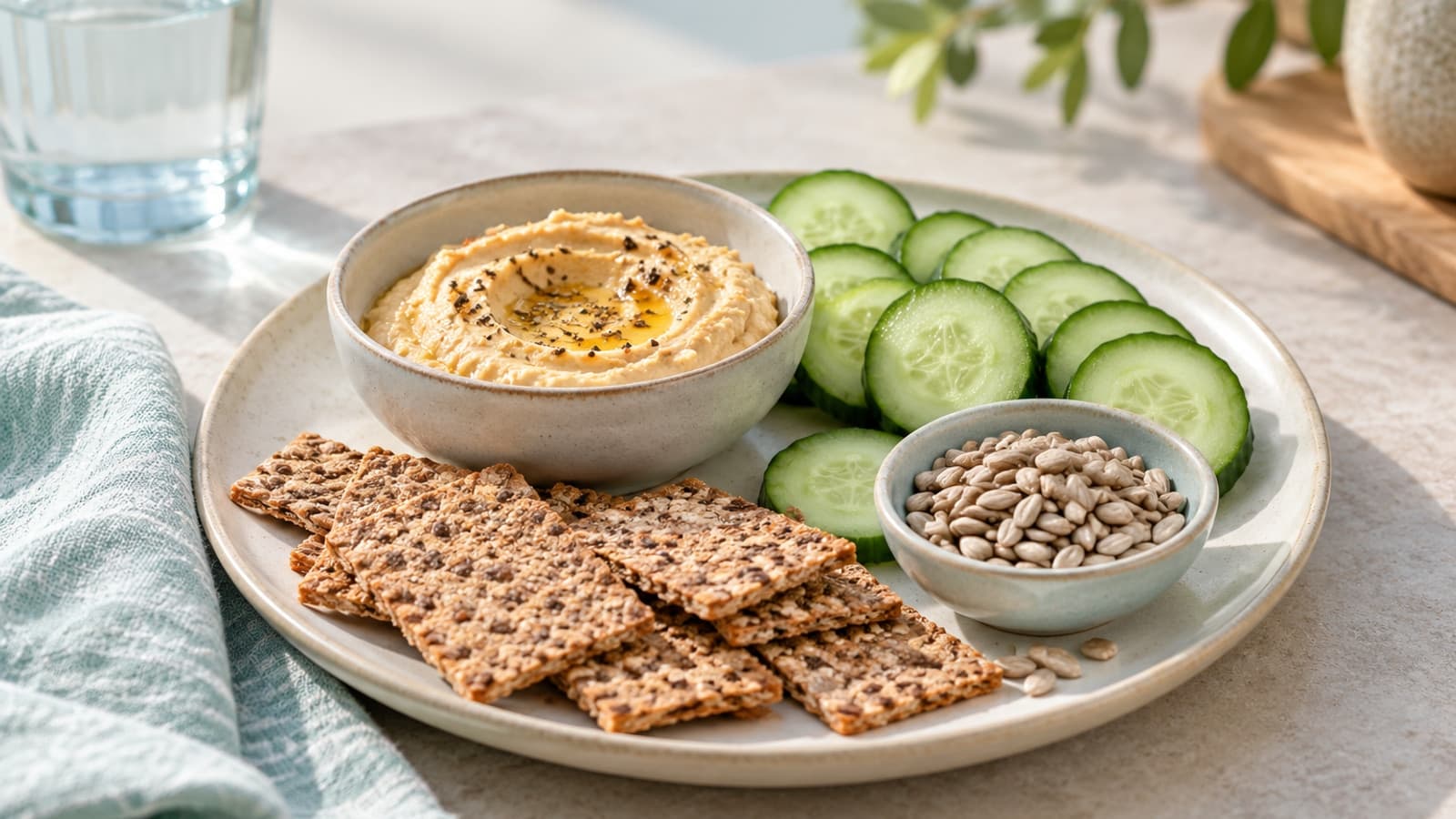
A snack list that starts with almonds and peanut butter may not leave you with much to choose from. If you manage a peanut or tree-nut allergy, the better list starts with the foods and products you've already confirmed are safe for you.
You can still put together convenient snacks and flavorful meals. You'll just want to check the ingredients and the way they're prepared, rather than relying on a broad “nut-free” suggestion from someone who doesn't know your allergies.
First, know what you need to avoid
Peanuts are legumes; tree nuts include foods such as almonds, walnuts and cashews. They aren't the same thing, and an individual's allergy plan may involve one, several or both. Follow the guidance from your allergist rather than assuming a food is safe because it belongs to a different group.
The same goes for seeds. A seed or spread is only an option if it is safe for your own allergies. Some people also need to avoid sesame, sunflower or other ingredients. Check with your allergist if you don't know whether a food belongs in your plan; don't test a questionable ingredient on your own.
Think in pairs
A snack can be as simple as two foods that work for you. Depending on your restrictions and preferences, that might be:
- Checked crackers with hummus or another bean dip.
- Fruit with a suitable yogurt or cheese.
- Toast with a seed spread you've verified is safe.
- A small portion of chicken, tofu or beans with vegetables.
- Oatmeal with fruit and a topping that fits your plan.
These are ideas to adapt, not a list guaranteed safe for every allergy. Hummus often contains sesame, for example, and some crackers contain other allergens. Read the label and use your own confirmed-safe foods.
If your appetite is smaller on a GLP-1, a modest snack between meals may be more comfortable than a large plate. Pack the components separately if you're unsure what will sound good later. Our small-meal snack guide has a broader framework you can adapt.
Inspect spreads and packaged snacks
Compare the ingredient list and allergen information every time you buy a product, including a familiar brand. Recipes and suppliers change. A seed butter, granola or snack bar may be made alongside ingredients you avoid, and a front-of-package claim may not answer every question about cross-contact.
If a label or advisory statement is unclear for your situation, contact the manufacturer or choose a product you've verified. Keep the original package until you're finished so the ingredient information is available if you need it.
Cost matters too. A safe store-brand dip, a container of fruit or a simple homemade combination may fit your routine better than a specialty bar. Buy a size you'll use and check any storage directions after opening.
Shared kitchens need a plan
A clean knife matters when one person spreads peanut butter and another uses the same jam. Shared blenders, cutting boards, serving spoons and bakery counters can create other opportunities for cross-contact. Removing visible nuts from a prepared dish doesn't reliably make the rest safe.
At home, agree on a practical system for separate utensils or containers. When eating out, tell the staff which foods you avoid and ask how the food is prepared. If the answer is uncertain, use a confirmed-safe backup.
Carry prescribed epinephrine as directed and make sure your emergency plan is current. If anaphylaxis is suspected, use prescribed epinephrine immediately according to your emergency plan and call 911; an antihistamine is not a replacement for epinephrine.
The goal is a short list of snacks you enjoy, can find easily and trust within your own plan. Once the basics are in place, you can add variety with your allergist or dietitian's help.