










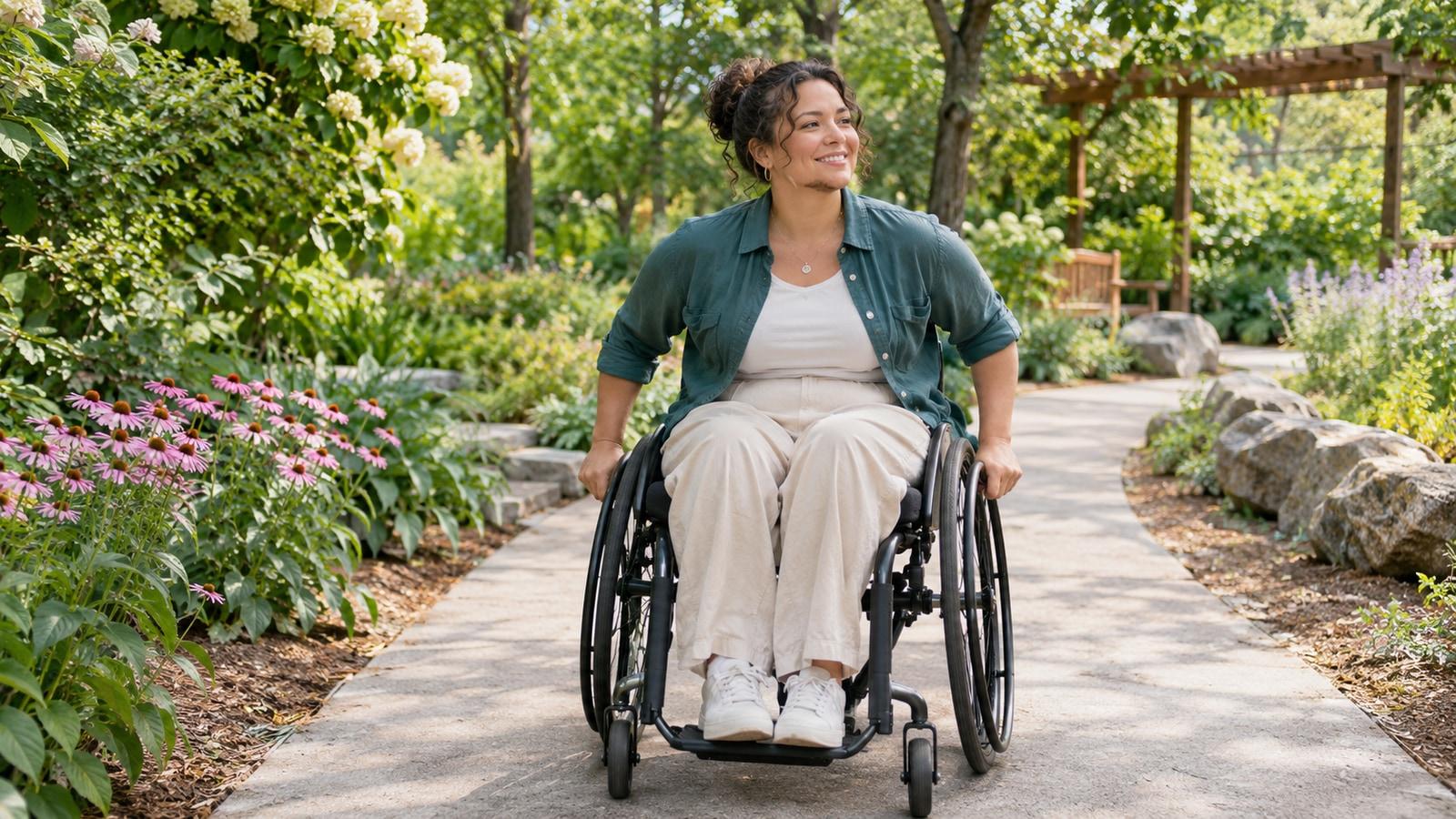
Weight-care advice often assumes everyone shops, cooks, exercises, and steps onto a scale in the same way. If you live with a spinal cord injury, those assumptions can make an already complicated topic frustrating.
The starting point is your own life: your injury, the equipment you use, your access to food and activity, and the tasks that matter to you. A clinician or dietitian familiar with spinal cord injury can help you consider weight alongside nourishment, skin health, bowel and bladder routines, and daily function.
Decide what you want the plan to support
You might be thinking about transfers, comfortable seating, energy through the day, or a change in weight. You may also want help maintaining weight or eating enough while a pressure injury heals. Those goals can lead to different recommendations.
Tell your care team what matters most to you. “I want to make transfers easier,” “I need a lunch I can prepare independently,” or “My cushion no longer feels right” gives them something specific to work with. Your care plan doesn't have to begin with a number on a scale.
If you've noticed an unexpected weight change, mention it. Your team can consider appetite, medicines, health conditions, and practical barriers rather than assuming one cause. Ask whether weighing is useful and what accessible equipment or assistance the clinic can provide.
Nutrition needs are individual
After a spinal cord injury, changes in muscle mass and activity can affect energy needs. But there isn't a single calorie target for everyone with an injury. Needs vary with the injury, body size, activity, health conditions, and other factors.
Avoid borrowing a restrictive target from an app or a plan designed for someone else. Adequate nourishment matters, especially when you're healing or dealing with a skin concern. A dietitian familiar with spinal cord injury can help you think about meals, protein, and your individual needs without turning eating into a complicated math problem.
Start with the foods and routines available to you. Canned beans, frozen vegetables, prepared grains, eggs, or other familiar foods can make a meal easier when chopping or standing at a counter is difficult. If someone shops or cooks with you, tell them what you like and what you can comfortably access.
Protect skin and seating while plans change
Pressure injuries involve damage to skin and underlying tissue. Depending on sensation and mobility, you may need a specific routine for checking skin and relieving pressure. Keep following the plan provided by your rehabilitation team.
If your weight or body shape changes, tell the person who helps with your wheelchair, cushion, or seating. A setup that fit previously may need another look. Report a new area of concern or a wound to your care team promptly, especially if you have reduced sensation and can't judge discomfort in the usual way.
Don't assume that eating less is the right response to a skin problem. Healing and nutrition needs are individual. Ask your clinician and dietitian how a weight goal fits with protecting skin and supporting recovery.
Find movement that is accessible and enjoyable
Activity might mean adaptive cycling, movement in a pool, resistance exercise, a sport, or another option that suits your interests and abilities. Your rehabilitation clinician or physical therapist can help you consider equipment fit, safe transfers, shoulder comfort, and any precautions that apply to you.
Ask about transportation, accessible changing areas, cost, and whether the instructor has experience adapting the activity. A program can sound welcoming online and still have practical barriers; it's reasonable to ask specific questions before you arrive.
Autonomic dysreflexia can be a medical emergency. Follow your emergency plan immediately if symptoms occur; call 911 if you cannot identify the cause or control your blood pressure. Ask your team how the plan applies during activity. New symptoms, shoulder pain, skin changes, or changes to bowel or bladder routines are worth bringing to your team. Don't push through a problem just to finish a workout.
Discuss medicines and routines together
If you're considering a GLP-1 or another weight-management medicine, explain your bowel and bladder routine, appetite, skin concerns, and other medicines. Ask what symptoms to monitor and who to contact if nausea, vomiting, constipation, or reduced intake disrupts your usual care.
Your rehabilitation team may have information that helps the prescribing clinician understand your needs. With your permission, ask the teams to coordinate. Don't change a medicine or fluid plan on your own based on advice written for the general population.
If someone assists with meals or medicines, include them in the conversation when you want their help. You can still decide which information to share and what support is useful.
Build a plan you can use
Before the visit ends, identify one next step. It might be a seating review, a dietitian referral, a trial visit to an adaptive recreation program, or help finding an accessible scale. Ask how you and your team will know whether that step is helping.
Your plan should support independence and participation, not make daily life harder. It can change as your health, equipment, and priorities change—and it should be built with you, not around assumptions about what someone with a spinal cord injury can do.