










You may have seen “short-chain fatty acids” mentioned in a story about gut health and wondered whether they're something you should be eating, measuring, or buying. The name sounds complicated, but the basic idea is approachable: some microbes in your large intestine make these small molecules as they break down certain food components that reach them.
Researchers are interested in what those molecules do and how they relate to health. That doesn't mean there is a proven shortcut for adjusting them to produce weight loss. Here's what is useful to know—and what remains uncertain.
What happens after you eat fiber?
Food moves through the digestive tract, and different parts are broken down or absorbed along the way. Some carbohydrates, including certain types of dietary fiber, aren't digested in the small intestine. They can reach the large intestine, where some microbes use them in a process called fermentation.
That process produces several substances, including short-chain fatty acids. Three names you may see in research are acetate, propionate, and butyrate. Different foods provide different kinds of fiber, and different microbes use those materials in different ways. A meal does not produce one predictable amount of each substance in every person.
Fermentation can also produce gas. If a food that contains fiber leaves you uncomfortable, the answer isn't necessarily to avoid all fiber forever. The amount, preparation, and your individual health can matter. If you have a digestive condition or prescribed eating plan, ask your care team before making a major change.
What do these molecules do?
Short-chain fatty acids are absorbed and used in the body in different ways. For example, butyrate can serve as an energy source for cells lining the colon. Researchers also study how these molecules interact with other parts of the body and with processes involved in digestion and metabolism.
That's an active area of research, not a reason to assign one molecule the job of keeping the entire gut healthy. The digestive system is complex, and many findings come from different kinds of studies. A result in a laboratory or an animal does not automatically tell us what a supplement will do for a person.
Even studies in people can ask very different questions. One may measure a substance in stool after a dietary change; another may measure it in blood. Those measurements don't necessarily tell the same story. Look at what was tested, in whom, and for how long before drawing a conclusion.
Do they determine your weight?
No single short-chain fatty acid has been shown to be a simple switch for weight loss. Researchers are studying possible relationships among diet, gut microbes, these molecules, and metabolism. The results are complicated, and an association in one study does not prove that changing a measurement will cause a particular weight outcome.
This is especially important when an advertisement promises that a powder or capsule will “reset” the microbiome or reproduce the effects of a GLP-1 medicine. A claim like that needs evidence for the specific product and outcome. A discussion of a biological pathway is not the same thing as a trial showing that a product works for you.
If you are considering a supplement, bring the ingredient list to your clinician or pharmacist, particularly if you take medicines or have a medical condition. There is no need to add a product just because a term appears in gut-health marketing.
What does this mean for your meals?
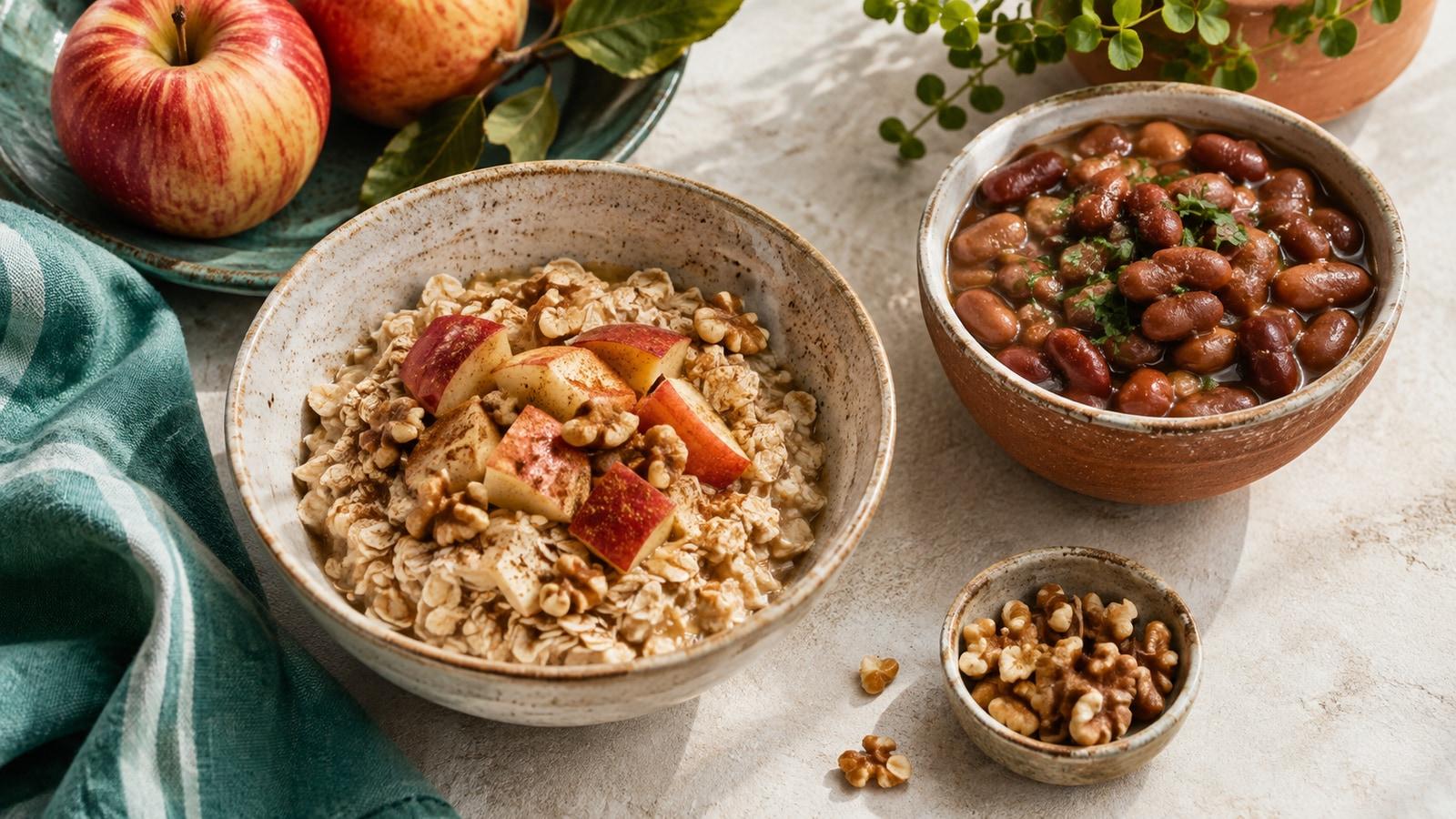
You don't need to calculate short-chain fatty acids at dinner. If fiber-containing foods fit your care plan, choose options you enjoy and can tolerate. Beans, oats, fruit, vegetables, and other plant foods can be part of a varied eating pattern. They differ in flavor, texture, and the types of fiber they provide.
Consider a change that is easy to live with: adding some beans to a familiar soup, choosing a fruit you like with breakfast, or serving a vegetable alongside a meal you already make. If you aren't used to a food, a smaller amount gives you a chance to see how it feels.
People's needs differ. Someone with swallowing instructions, a bowel condition, or another medical eating plan may need a more specific approach. A dietitian can help adapt familiar foods rather than asking you to follow a generic list.
What if you're taking a GLP-1 medicine?
Changes in appetite or digestion can affect which foods sound appealing. If you're experiencing nausea, constipation, or trouble eating enough, talk with your prescriber. They can help assess what's happening and whether your plan needs attention.
You don't need to force large portions of a food that makes you uncomfortable in the name of your microbiome. Nor should you stop a prescribed medicine because a gut-health product makes an appealing claim. A conversation about your symptoms and the foods you can manage is a better place to start.
Keep the research in perspective
Short-chain fatty acids are one part of the conversation between the food you eat, your gut microbes, and your body. They make for interesting science, but they are not a score you have to optimize every day.
For now, a varied, enjoyable eating pattern that fits your health needs is more useful than chasing a promised microbiome fix. As the research develops, the best question remains: what did the study actually show in people, and does that finding apply to the claim being made?