










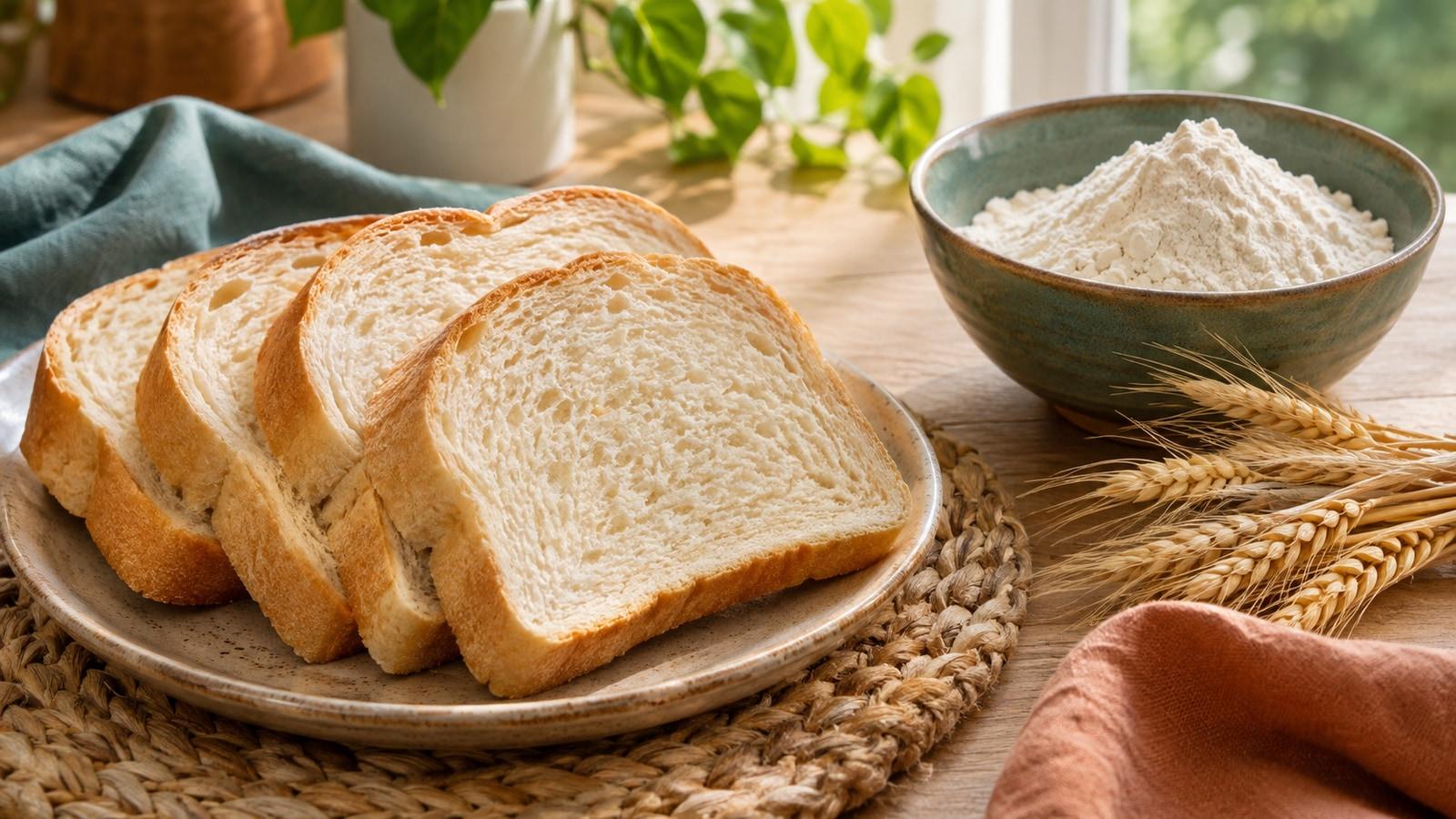
You pick up a bag of flour and see a long ingredient list: wheat flour, niacin, iron, thiamin, riboflavin and folic acid. The flour is described as “enriched.” What does that actually mean?
Enrichment refers to adding certain nutrients to a grain product after processing. It doesn't turn refined flour back into whole wheat flour, and it doesn't mean the food should be avoided. It gives you one useful piece of information about what is in the package.
Start with the grain
A grain kernel has three main parts: the bran, germ and endosperm. A whole grain contains all three in their original proportions, even if the grain has been ground or rolled. Refining removes the bran and germ from many grains, leaving mostly the endosperm.
That processing changes the texture and storage characteristics of the grain, and it also removes some nutrients and fiber. Think of white flour and whole wheat flour: they come from the same kind of grain, but their composition and baking properties differ.
The difference doesn't mean one kind of bread is morally better than another. People choose foods for many reasons, including taste, cost, texture, availability and family traditions. Understanding the label simply gives you more information for your own choices.
Which nutrients are added?
In many enriched grain products, selected B vitamins and iron are added. The names you might see include thiamin, riboflavin, niacin, folic acid and iron. Folic acid is a form of folate used in fortified foods and supplements.
An ingredient list will show what is in that particular product. Enriched wheat flour might appear as an ingredient in bread, pasta or cereal, followed by the names of the added nutrients. Different products can have different ingredient lists and amounts, so compare the packages in front of you rather than assuming they are identical.
Folate helps the body make new cells, among other functions. Iron has roles including helping form hemoglobin in red blood cells. Those are real nutritional contributions, but a single ingredient or added nutrient doesn't tell you everything about the food or your overall diet.
What enrichment doesn't put back
Adding selected vitamins and minerals doesn't restore all the components removed when a grain is refined. In particular, enrichment does not simply put the original bran and fiber back into the flour.
That's why “enriched” and “whole grain” describe different things. An enriched product contains selected added nutrients. A whole-grain product contains the grain's bran, germ and endosperm. A food can also contain a mixture of refined and whole-grain ingredients.
Neither term tells you how the finished food will taste, how much you should eat, or whether it will work for your particular health needs. Look at the whole package and the meal you want to make.
You may also see the word “fortified.” It generally means nutrients have been added to a food; the term isn't limited to replacing nutrients removed during grain processing. A breakfast cereal can contain added nutrients even when it isn't made the same way as enriched flour. Check the individual label if you want to know which nutrients are present and how much a serving contributes. Neither word, on its own, describes every ingredient in the finished food.
How to read the package without overthinking it
Start with the ingredient list. If you are looking for a whole-grain ingredient, check its name rather than relying only on a brown color or words on the front. Terms such as “whole wheat” describe something different from “wheat flour” alone.
Then look at the Nutrition Facts panel for the serving size and any information that matters to you, such as fiber, added sugar or sodium. The amount you actually eat may differ from the listed serving. If you compare two foods, try to compare similar quantities.
For example, you might choose one bread because its flavor and texture make a good sandwich, and another because it offers more fiber per comparable serving. You don't need every food in your kitchen to win the same comparison.
Where does this fit with a GLP-1 routine?
If your appetite has changed, familiar grain foods may be an easy part of a meal. Toast, rice, pasta and oatmeal can be served in portions that suit you, alongside other foods you enjoy. If a larger or higher-fiber meal is uncomfortable, discuss persistent symptoms with your prescriber or a dietitian rather than eliminating whole categories of food on your own.
Some people have specific medical needs, such as celiac disease, an allergy or another dietary restriction. The right grain choice for them depends on those needs; an enriched label doesn't make a wheat product suitable for someone who must avoid wheat or gluten.
The practical takeaway is that enrichment adds back selected nutrients, while a whole grain retains the parts of the kernel. Both ideas can help you understand a label. Neither requires turning your next grocery trip into a test.