










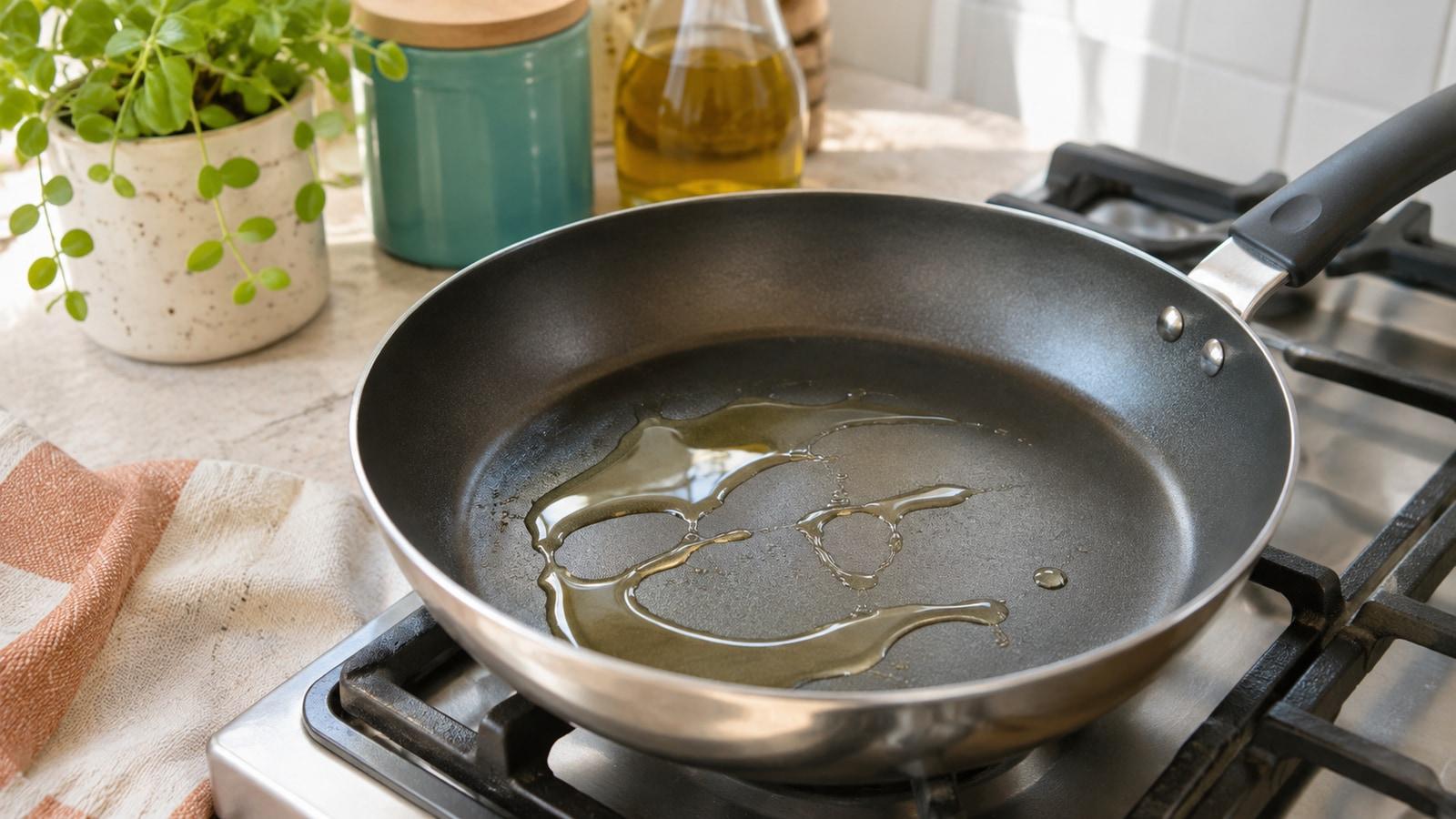
After frying dinner, you may be left with a pan of oil and a question: can it be used again? Oil changes when it's heated, and repeated high-heat frying can change its flavor and quality further. How much it changes depends on the oil, the temperature, how long it was heated and what was cooked in it.
You don't need to memorize a perfect number of uses or throw away every drop of oil that has touched a warm pan. It helps to distinguish a small amount used for a quick sauté from a larger batch used repeatedly for deep frying.
What heat does to oil
During frying, heat, air and moisture from food can contribute to chemical changes in oil. Repeated heating and cooling can add to those changes. Research on frying has measured oxidation products and changes in oil composition, with results varying by the conditions used.
That doesn't mean a laboratory study using many hours or cycles of deep frying tells you exactly what happened in your skillet. The temperature, food and length of heating matter. The practical takeaway is to avoid overheating oil and pay attention to its condition rather than treating every use as identical.
Flavor is part of the decision too. Oil used to fry fish, for example, may carry that flavor into the next dish. A neutral oil used for one food isn't necessarily neutral after cooking.
Watch the pan while it heats
Heat oil gradually and stay in the kitchen while frying. If you see smoke or notice the oil smelling hot, turn off the burner and let the pan cool safely. Smoke is a sign the oil is too hot; don't keep cooking while hoping it will improve.
Keep a lid nearby. If a small grease fire starts and you can act safely, slide the lid over the pan, turn off the burner and leave the pan covered until it cools. Never pour water on an oil fire or move a burning pan. If the fire doesn't go out or you aren't comfortable handling it, get everyone out and call 911 from outside.
These precautions matter whether the oil is new or reused. A small amount of attention at the stove is more useful than chasing a particular oil based on a viral post.
If you plan to save frying oil
Let used oil cool completely before handling it. Strain out larger food particles, which can burn during a later use, and put the oil in a clean, covered container. Refrigerate or freeze it rather than leaving food-contaminated oil on the counter. Label the container so you know what it was used for and when.
Discard oil that develops an odd smell or flavor, changes color noticeably during heating or foams. Those signs suggest it shouldn't be reused. The absence of an obvious smell isn't a guarantee that oil is in perfect condition, so use judgment about how it was heated and stored.
If someone has a food allergy, remember that straining visible pieces doesn't guarantee removal of the allergen. Oil used with an allergen may not be suitable for preparing food for that person. Ask a clinician about the person's specific needs and avoid cross-contact.
Don't mix up different kinds of reheating
Rewarming a cooked meal that contains a little oil is different from collecting and repeatedly deep-frying in a pot of oil. Leftover meals still need prompt refrigeration and reheating according to food-safety guidance; adding oil doesn't make a meal shelf-stable.
For the next stir-fry, it may be simpler to start with a small fresh amount rather than store a spoonful from yesterday's pan. For an occasional deep-frying project, decide whether saving a larger amount is worth the effort of cooling, straining, labeling and chilling it safely.
You can also choose a different cooking method when it fits the meal: roasting, baking or a quick sauté can use a different amount of oil and create a different texture. No one method is required for a balanced eating pattern.
Choose an oil you like and can use comfortably
Flavor, cost, allergies and the cooking method all matter. Olive, canola and other oils can have a place in a kitchen. If a particular food or rich preparation bothers your stomach, adjust the meal to what feels comfortable and discuss persistent symptoms with your clinician.
Store unused oil according to the package instructions, away from excessive heat and light when directed. For disposal, let used oil cool and follow your local waste guidance; avoid pouring grease down the drain.
The goal is a practical kitchen habit: control the heat, store anything you save safely and discard oil when its condition is questionable. You can cook a good meal without turning the oil bottle into a source of worry.