










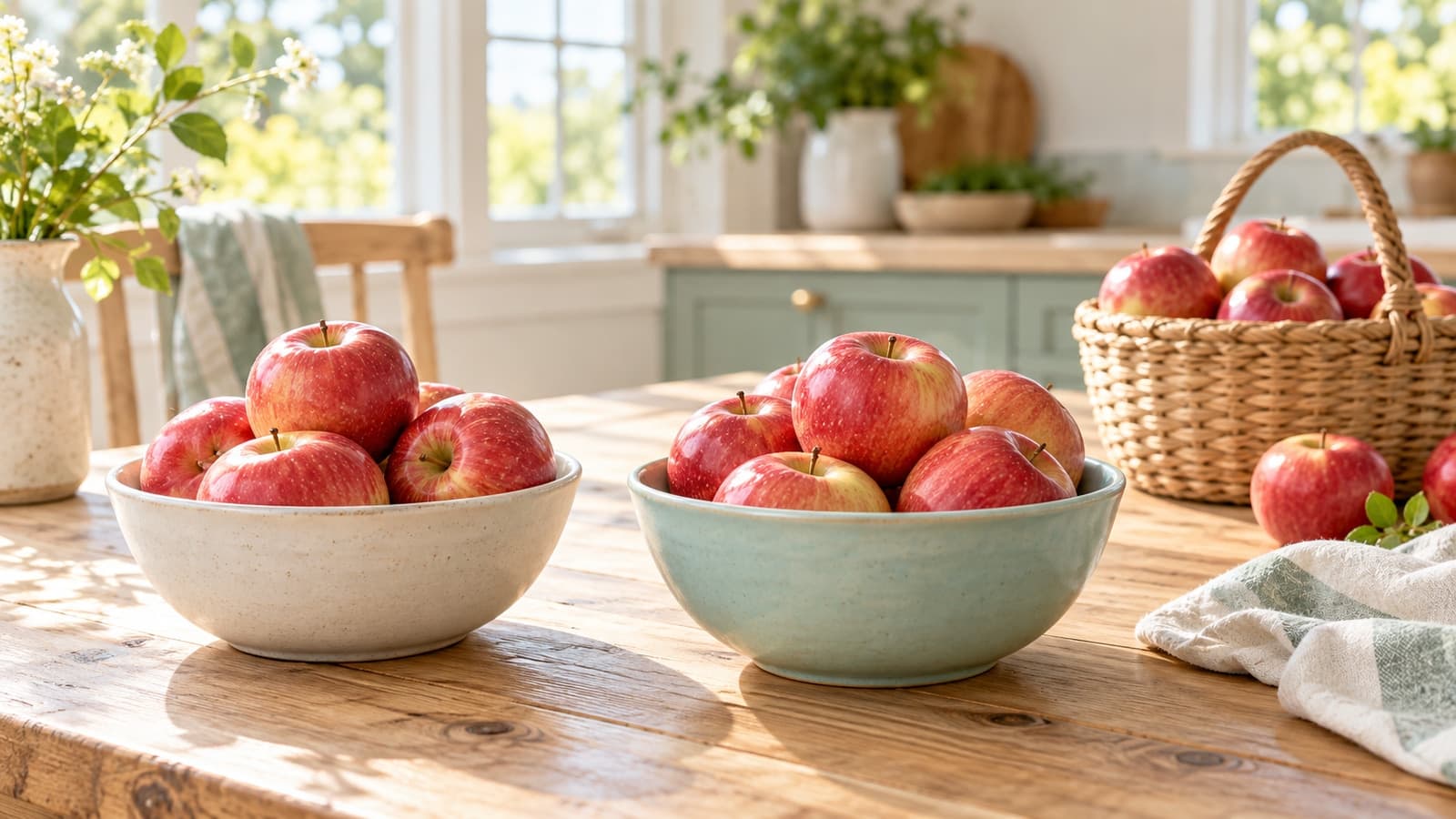
You’re buying apples and see two displays: one organic, one conventional. Maybe the organic apples cost more, maybe they’re on sale, or maybe the varieties are different. Which should go in your cart?
You can choose based on your preferences and budget without assuming one apple comes with a built-in weight-management advantage. An organic label describes how a food was produced; it doesn’t provide a personal meal plan.
What the word does—and doesn’t—say
Organic is about production methods. It doesn’t tell you how many calories are in the portion you’ll eat or whether a packaged food is higher in protein, lower in added sugar or better suited to your tastes.
That matters most when comparing foods with several ingredients. An organic granola and a conventional granola might use different nuts, oils, sweeteners and serving sizes. Turn the bags around and compare those details if they matter to you. The organic word alone won’t tell you which one you’ll enjoy or how the two servings compare.
The same applies to a sauce or soup. Check the ingredient list for anything you need to avoid, and look at sodium or other nutrients if those are relevant to you. Two products can both fit in a varied eating routine even when their labels and prices differ.
Compare similar foods in useful amounts
Look at the package size before the price. A smaller box may cost less at the register but more per ounce. On the other hand, a smaller amount may fit your week better if the larger package would go unused.
If you’re comparing two jars, check their serving sizes and the ingredients as well. A plain version and a sweetened version aren’t an equal comparison just because the jars look alike. Choose the details you care about instead of trying to find a single winning label.
Fresh produce doesn’t always have a nutrition panel attached. Pick fruit or vegetables that look appealing, are in good condition and fit your plans. If organic production matters to you and it fits your budget, you might choose it. If conventional produce is more accessible, that can still be a practical choice.
Wash whole produce under running water before eating or cutting it, including produce with a peel you plan to remove. Use a clean cutting board and keep it separate from raw meat.
Make room for your budget
Some shoppers like to spend more on a few items and choose lower-cost options elsewhere. Others choose whichever version is available and looks best that day. Prices vary by store, season and package, so there’s no need to set a fixed rule based on one trip.
Frozen and canned fruits and vegetables can also be convenient. Check whether they contain sauces, syrups or seasonings you want, and follow the package’s storage directions. A food that waits in the freezer until you need it may be more useful than a fresh item that goes untouched.
If your appetite is smaller on a GLP-1, consider the amount you’ll use rather than paying for a large package by habit. You can serve a comfortable portion and keep another eating opportunity available later. Buying food that fits your routine is a more useful question than whether every item carries the same label.
One easy next step
Pick a food you buy often and compare two versions on your next trip. Look at the price, size, ingredients and flavor. If one version costs more, decide whether the difference matters to you that week. There’s no prize for buying a product you won’t enjoy.
Our food-label guide can help with the nutrition panel. Your cart can reflect your values and your budget at the same time.