










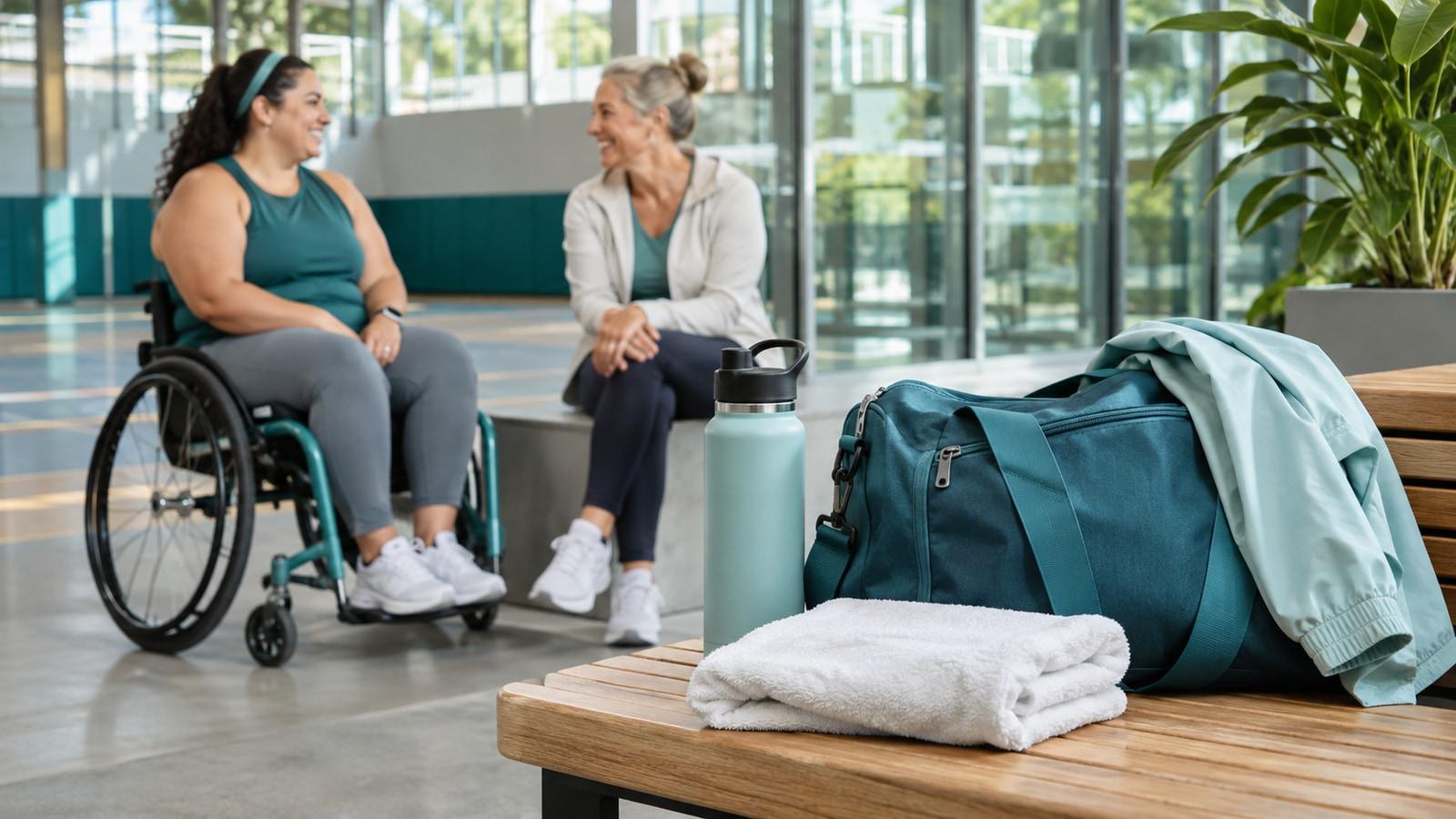
Your first adaptive sports event might be a try-it day, a local class, or a competition. Whatever the format, the packing list is only part of the preparation. Knowing where to park, what equipment is available, and who can answer a question when you arrive may matter just as much as what’s in your bag.
There isn’t one list that fits every sport or every person. Use the ideas below as a starting point, then ask the organizer what applies to your event.
Ask about equipment before you pack
Start with the item you’ll use for the activity. Does the event provide sport-specific equipment, or should you bring your own? If equipment is available to borrow, ask about sizing, adjustments, how it’s fitted, and whether you can try it before the activity begins. If you use a personal chair, prosthesis, orthosis, cane, communication device, or other equipment, ask how the activity and venue will accommodate it.
Be specific about the questions that matter to you. “Is the event accessible?” can get a quick yes without explaining whether the entrance has a ramp, the surface is firm, or the changing room works for you. You might ask for the width of a doorway, the type of transfer assistance available, or whether an interpreter or guide can be arranged.
If someone will help with equipment or a transfer, agree on what help you want and how it should be offered. Staff should ask before moving your mobility equipment. You’re the best source of information about the assistance and setup you prefer.
Plan for the trip through the venue
Think beyond the playing area. Ask about accessible parking or drop-off, the route to check-in, restrooms, seating, and places to store a bag. For an outdoor event, find out whether the route includes grass, sand, gravel, or steep sections. Photos or a short description from the organizer can help you decide what to bring.
If you use mobility equipment, pack the everyday items you normally need for a trip of that length. Depending on your equipment and the event, that might mean a charger, a repair item you know how to use, or a way to keep an important device dry. You don’t need to buy a toolkit for a sport you haven’t tried; ask what support the event provides.
Keep the organizer’s contact details and arrival instructions somewhere easy to reach. If a companion, personal assistant, or service animal will accompany you, check the practical arrangements ahead of time so the day starts smoothly.
Clothing and comfort
Choose clothes that let you move in the position you’ll use for the activity. Think about seams, closures, temperature, and whether the fabric works with any equipment. If a helmet, life jacket, gloves, or other protective gear is needed, ask whether the organizer supplies it and how to confirm the fit.
Bring layers if the event is outdoors or the venue temperature is uncertain. A towel, a change of clothes, sun protection, or weather protection may be useful depending on the sport. Follow your own care plan for any skin, temperature, or pressure-related needs, and tell the instructor about an equipment fit issue before it becomes uncomfortable.
Pack drinks and food that work for you and check whether there are breaks or places to store them. If you take medication or use medical supplies, bring what you need according to your own plan and the event’s timing. There’s no need to share more health information with the organizer than is necessary for safe participation and the accommodations you want.
Questions to ask when you arrive
You can keep the first conversation simple:
- Where do I check in, and who is my contact during the activity?
- How will equipment be fitted or adjusted?
- What does the session involve, and when are breaks available?
- How do I ask for an instruction to be repeated or presented differently?
- Where are the restrooms and a quieter place to rest?
- What happens if the weather changes or I need to stop?
An instructor should be willing to explain the activity and work with you on the setup. You can ask for a demonstration, verbal directions, a slower walkthrough, or another communication approach that helps. You also get to decide how much you want to try.
After the event
Make a quick note of what worked: a seat adjustment, a glove size, a helpful instruction, or a parking location. If something didn’t work, tell the organizer if you feel comfortable doing so. Specific feedback can make a return visit easier for you and give the program useful information.
If you’re exploring movement as part of weight management, the event doesn’t have to serve as a fitness test. It can simply be a chance to discover a sport you enjoy, meet people, or learn what equipment is available. Your abilities and interests are your own; there’s no required way to participate.
Bring what supports your comfort, ask for the information you need, and leave room for curiosity. The rest of the packing list can become clearer once you know the sport and the venue.