










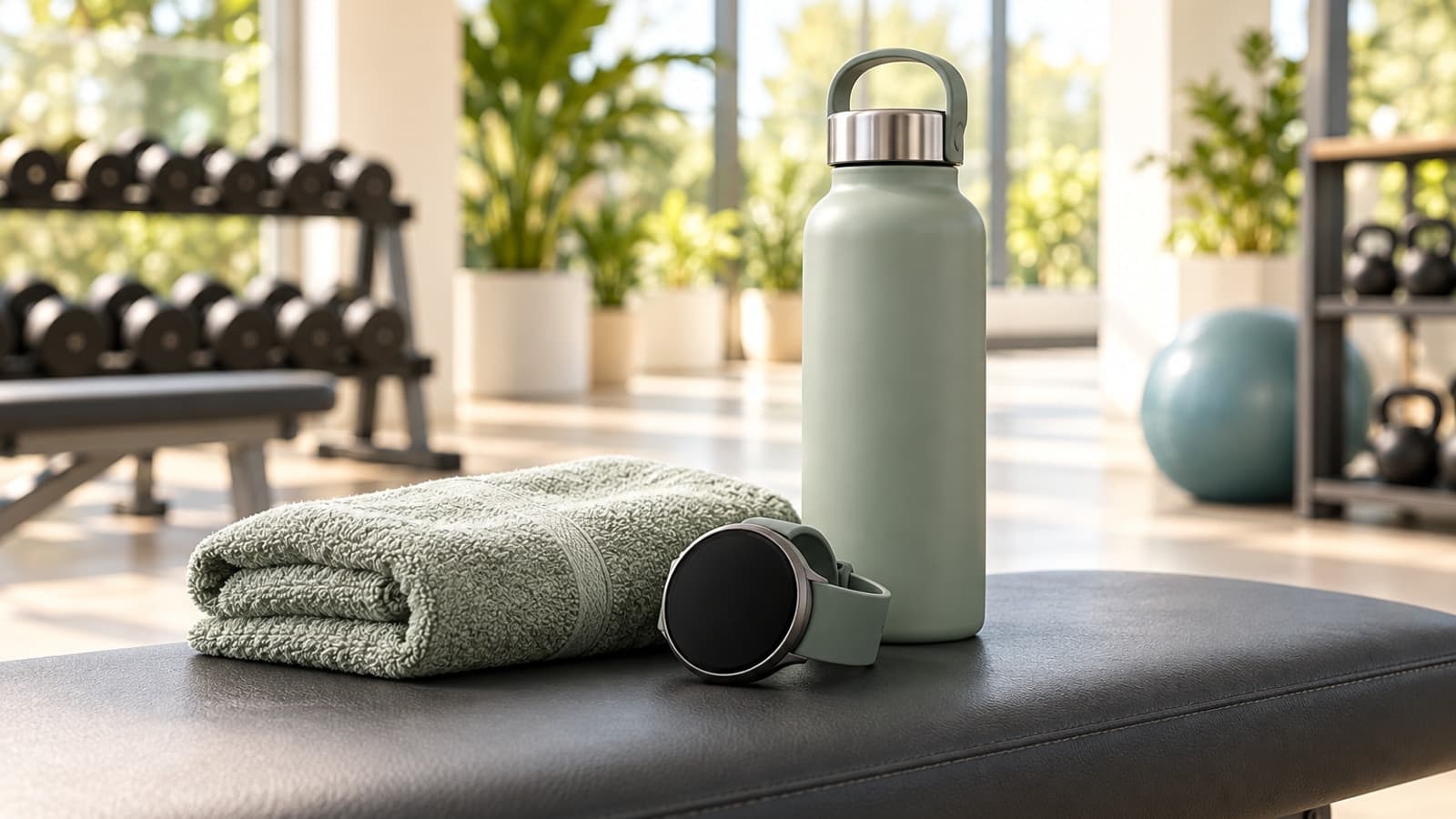
You finish a workout, glance at the screen and see a calorie total. Then your watch shows a different number. Which one is right?
The number on the screen is an estimate. Devices use different information and calculations, and they can’t know every detail about your body or your session. Treat the display as one rough piece of information, not an exact measurement of what you need to eat.
What the machine may know
A cardio machine can measure things such as time or the settings you selected. Some ask for personal information; others use assumptions if you skip it. A wearable may use movement, heart-rate data or other inputs. The calculations differ by model, and a display doesn’t necessarily explain every assumption behind its answer.
How you actually move matters too. Two people can use the same setting and experience the session differently. Hand placement, familiarity with the movement and individual physiology may change the picture in ways a simple display doesn’t capture.
Even a carefully entered profile won’t turn the output into a laboratory test. It may make the estimate more tailored to the device’s calculation, but it can’t guarantee precision for you.
What studies have found
In one experiment on an elliptical trainer, the machine’s calculation overestimated energy expenditure under the conditions tested, and responses differed across participants. That doesn’t mean every elliptical overestimates by the same amount or that a different model will make the same error.
Studies of consumer activity monitors have also found that estimates can be too high or too low depending on the device and activity. Many studies examine a limited number of people, devices or tasks. A finding about one model isn’t a reliable correction factor for the machine in front of you.
If two devices disagree, you don’t need to average the numbers or assume the larger one is more accurate. Use them cautiously, especially when comparing different kinds of exercise.
Some screens show a session total while an app may also include an estimate for the rest of the day. Labels and definitions differ, so those figures may not represent the same period. Check the device instructions before comparing them, and remember that a clearly labeled estimate is still an estimate.
Food isn’t something to earn
A displayed calorie number shouldn’t decide whether you are allowed a meal or whether you need to compensate for eating. Your body needs food and fluids throughout the day, including when your appetite is lower during GLP-1 treatment.
If you’re unsure how to fuel activity, a registered dietitian or your care team can help you build a plan around your needs, preferences and symptoms. Avoid making major changes to food or medication based on one workout screen.
For people with a history of difficult or stressful food tracking, hiding a display or choosing a different view may make exercise more comfortable. You can still use a machine’s time or resistance settings if those are useful to you.
Look for other useful details
Notice whether the setup is comfortable, whether the activity fits your schedule and how you feel afterward. You might write down the duration and a brief note about effort rather than focusing on a calorie total. Our progress dashboard guide has ideas for a wider record.
Stop if you feel pain, faint or unusually short of breath. If you have new or unexplained chest pain or other possible heart attack symptoms, call 911; other severe symptoms need emergency help too. If vomiting, dizziness or trouble drinking is affecting you while taking a GLP-1, contact your care team before exercising.
The best display is the one that helps you make a useful decision. If the calorie number leaves you feeling pressured, it’s fine to look at something else.