










Choline isn't usually the first nutrient mentioned when someone talks about a balanced meal. You may not have looked for it on a label at all. Yet it's present in plenty of familiar foods, from eggs to beans.
Here's what choline does, where it turns up and how to think about it when your meals are smaller than they used to be.
What does your body use it for?
Choline helps form the membranes around cells and supports functions involving the brain, nervous system and muscles. Your liver makes a small amount, and food supplies much of the rest.
Needs vary with age and other circumstances. You don't need to memorize a number before you eat lunch, but a health professional or dietitian can help if you're concerned that your usual diet has become limited.
Eggs are one option
An egg is a familiar source of choline. In one food-composition table, a large hard-boiled egg provides about 147 milligrams. The amount in a meal changes with the ingredients and portion.
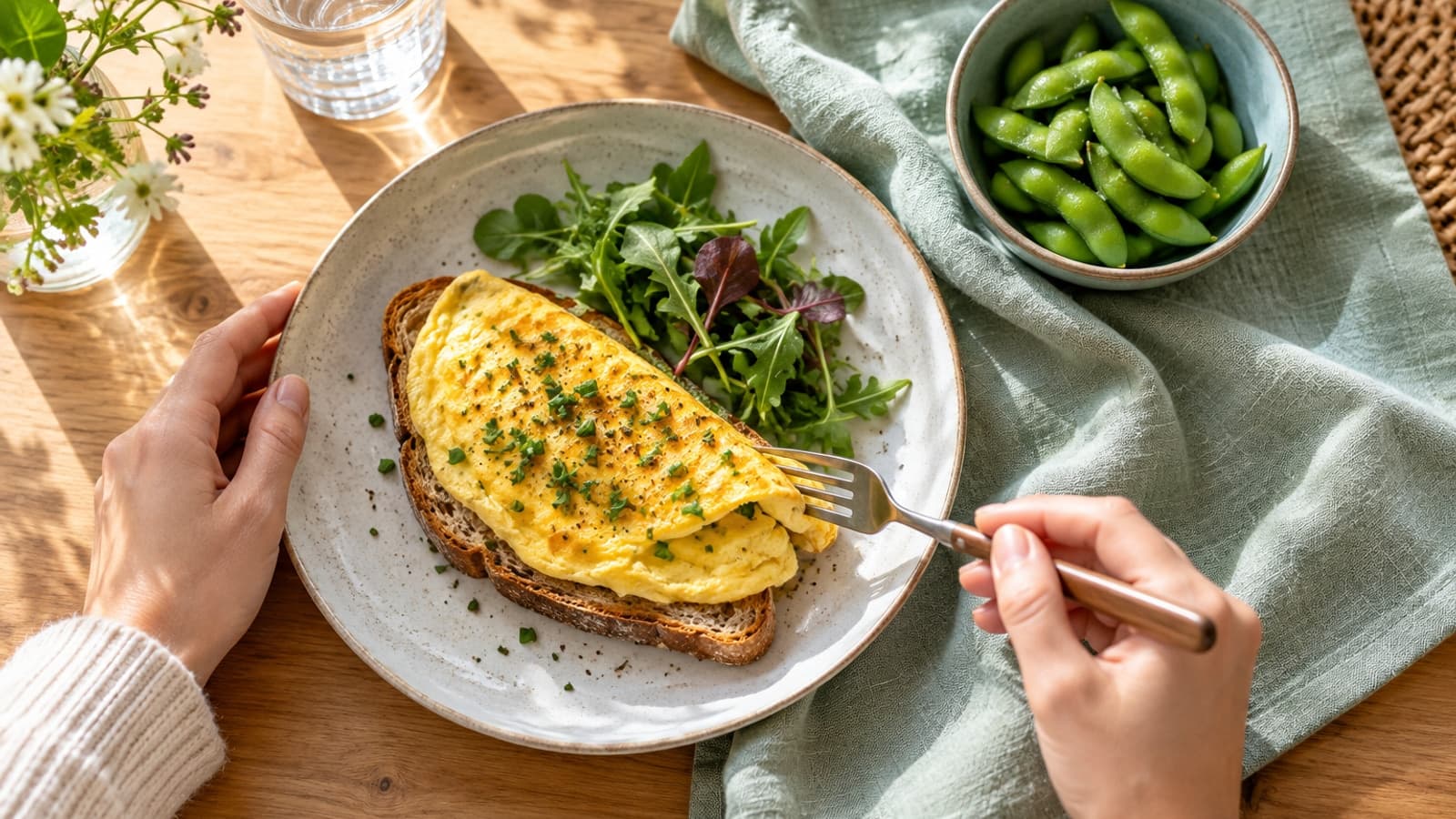
If eggs work for you, add one to toast, rice or a salad, or make a small omelet with vegetables. If you don't like eggs or have an allergy, there are other choices. You do not need to eat a specific food to make every meal worthwhile.
Other foods contribute too
Meat, poultry, fish and dairy foods contain choline. Some beans, including soybeans and kidney beans, also contribute, as do broccoli, cauliflower, potatoes, nuts, seeds and whole grains. The amounts differ, so variety across the day can matter more than any one ingredient.
For comparison, the same food table lists about 45 milligrams in half a cup of canned kidney beans. The figures are examples, not a required serving size or a personal daily target.
For a plant-based lunch, try beans with rice and vegetables or a small serving of edamame alongside another food you enjoy. If you eat fish or poultry, a portion can fit into a sandwich or a bowl with vegetables. Choose meals that suit your preferences and any individual dietary advice.
If you're looking at a package, remember that choline isn't necessarily listed on the Nutrition Facts panel when it occurs naturally. Its absence from a label doesn't prove the food has none. A dietitian can help you assess your usual choices if you're uncertain.
When appetite is smaller
If a GLP-1 makes large meals less appealing, think about what you can comfortably eat throughout the day. An egg at breakfast, beans at lunch or a little fish at dinner are examples, not requirements to eat all three.
You might prepare a larger recipe and serve yourself a small portion, then keep the rest for later. If a food's smell or texture is difficult on a particular day, another familiar option may be easier. Our guide to building balanced meals while taking a GLP-1 offers more ways to put a plate together.
If your appetite stays very low or symptoms keep you from eating enough, tell your care team. They can help you decide whether nutrition support or another change is needed.
Is a supplement necessary?
Not automatically. Some supplements contain choline, but the right approach depends on the rest of your diet and health history. If you're considering one, bring the label to a health professional and ask what it would add to your existing routine.
Be skeptical of a capsule promising dramatic changes in memory, metabolism or weight. A nutrient can have important jobs without a supplement being a quick fix for every concern.
Choline is found in more than one kind of food. Start with choices you like, and get individual help if your menu has narrowed so much that meeting your needs feels difficult.