










When you cook for yourself, the difficult part isn't always the cooking. It's deciding what to do with the rest of the can, the open bag of vegetables and the tortillas before you're tired of them.
One ingredient can take three different directions. Here's a small plan built around a can of chickpeas, with room to change the meals, swap the ingredient or eat something else entirely.
Start with the week you actually have
Before you shop, think about how many evenings you'll really cook. If you have dinner plans twice and work late another night, a cart full of fresh ingredients for seven recipes may be more frustrating than helpful.
Pick one ingredient you like, one or two vegetables, and a grain or bread you can use more than once. Chickpeas, a bag of greens, a cucumber, rice and tortillas are one combination. If chickpeas aren't comfortable for you or you have a relevant allergy, choose another protein food that suits you.
Add a sauce or seasoning you already enjoy. You don't need three new bottles to make three dinners taste different. Lemon, a spoonful of yogurt dressing, herbs or a favorite sauce can change the feel of a meal.
Give each dinner a different job
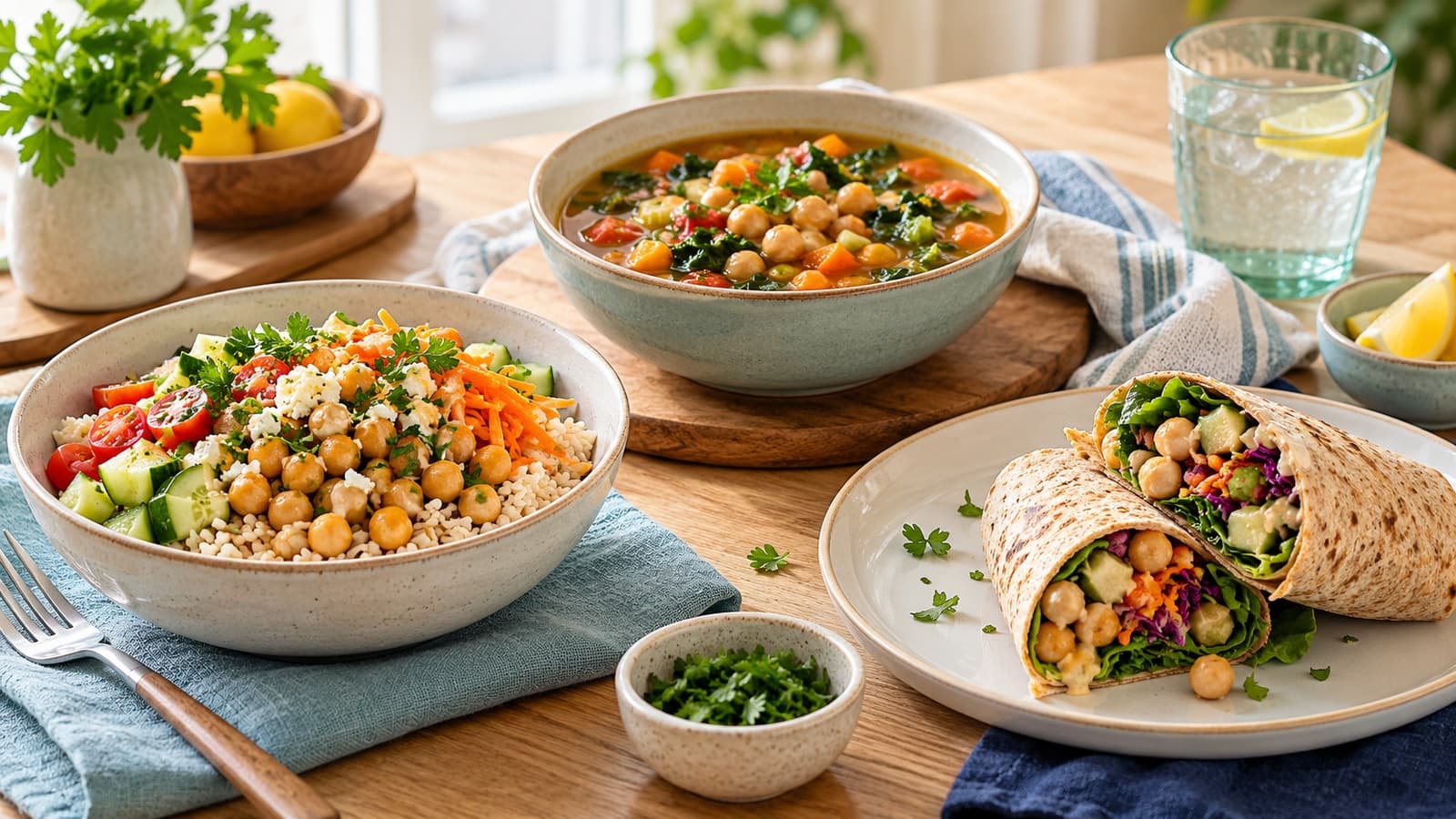
On the first night, try a warm bowl: add some drained chickpeas and vegetables to rice, then finish with a little sauce. Keep the ingredients separate if that makes the meal more appealing.
For another night, mash some chickpeas with a fork and tuck them into a tortilla with greens and cucumber. Keeping the filling and tortilla apart until you're ready to eat can help the wrap stay pleasant.
For a third meal, add the remaining chickpeas and greens to a small pot of broth. If you already have cooked rice, add some to the soup or have bread on the side. The meals don't have to be on consecutive nights, and you can repeat your favorite instead.
These are ideas, not a three-day menu you have to finish. A different protein, leftover vegetables or another bread can work. Check the ingredients in sauces and other prepared foods if you manage an allergy.
Plan for the open ingredients
Before opening a can or cooking a larger batch, decide what you might use soon and what needs a different plan. Transfer unused perishable food into clean, covered containers and refrigerate it promptly. If something can be frozen, put an appropriate portion aside while it is still within its safe storage window.
Keep the refrigerator at 40°F or below. Perishable ingredients and cooked food shouldn't sit out for more than two hours, or one hour when exposed to temperatures above 90°F. Storage times depend on the food and how it was handled, so follow the guidance for the ingredients you have.
When reheating leftovers, use a food thermometer to check that they reach 165°F throughout; bring leftover soup to a boil. A normal smell doesn't establish that a food is safe. If you're unsure how long something has been out or stored, don't taste it to find out.
Leave room for a change of appetite
If you're taking a GLP-1 and a large dinner doesn't sound good, make an amount that feels comfortable and keep more food available. You might want another portion, a side, or something later. The goal is to make eating manageable, not to turn a small serving into a rule.
Keep a backup that needs little work, too. A frozen meal you enjoy, toast and eggs, or yogurt and fruit can save an evening when the planned dinner no longer sounds appealing. Use whatever fits your needs and storage space.
If nausea or a very small appetite keeps getting in the way of eating enough, tell your care team. You don't have to solve persistent symptoms by making the shopping list shorter.
For a different household setup, see our guide to one family dinner with flexible portions. A useful plan for one can be as simple as buying a few things you like and knowing where the extras will go.