










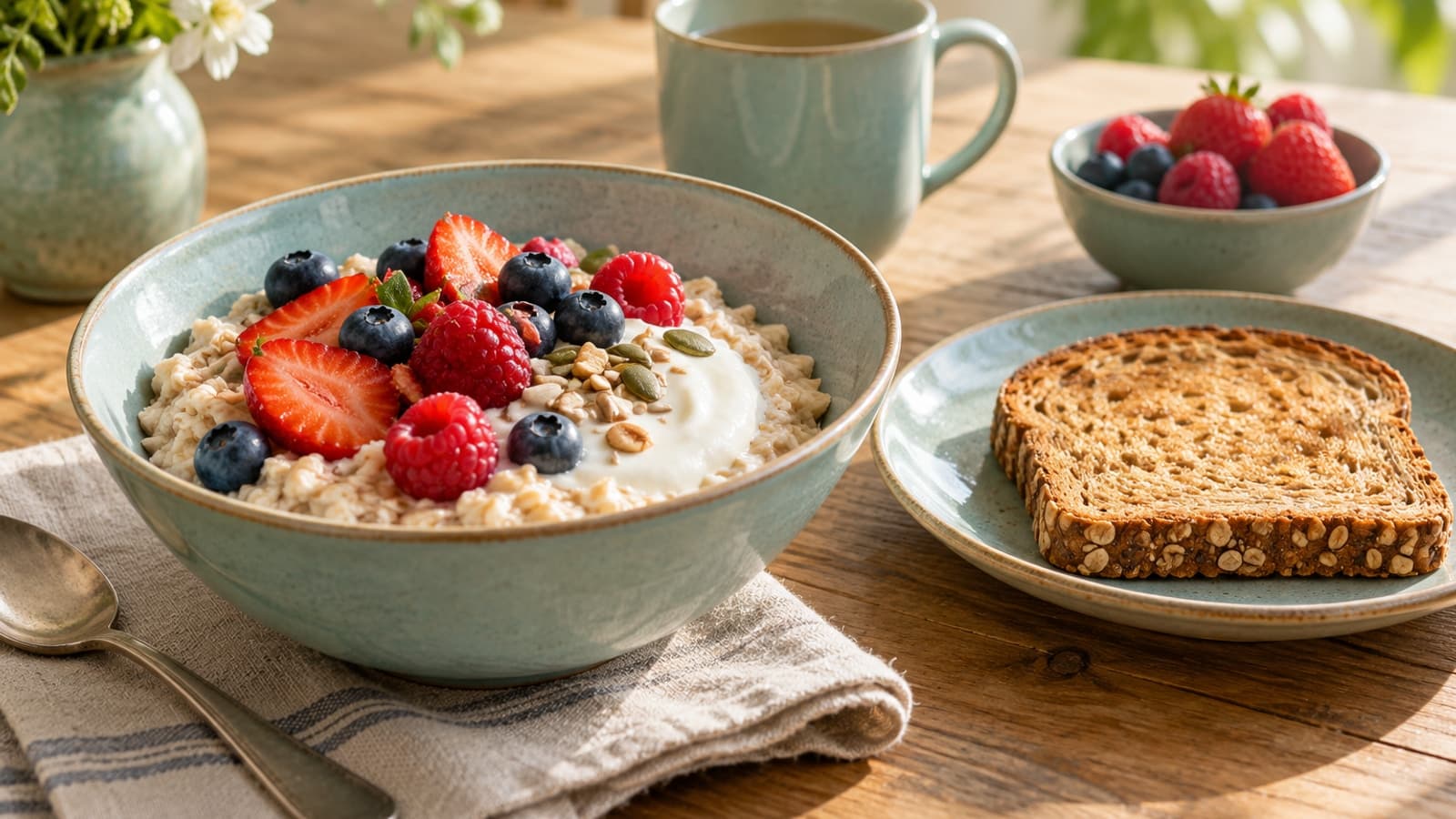
If your first question after starting a GLP-1 is whether you need to stop eating carbohydrates, you’re not alone. Online advice often treats carbs as one thing. In everyday meals, that category includes a wide range of foods with different nutrients and uses.
Look at the food, not just the category
Fruit, beans, oats, rice, potatoes, milk, and bread all contain carbohydrates. Some provide fiber, some add protein or other nutrients, and many make meals convenient and enjoyable. Cutting the entire category can remove foods that were helping you eat well.
GLP-1 treatment doesn’t come with one universal low-carbohydrate menu. Your eating plan should account for preferences, symptoms, activity, and medical needs.
Build a meal you can actually eat
Try combining a familiar carbohydrate food with a protein food and produce when that fits the meal. Examples include toast with eggs and fruit, rice with tofu and vegetables, or a bean-and-chicken soup. Adjust the amount to your appetite and keep more available if needed.
If appetite is small, a modest meal may work better than a very large one. Look at variety across the day rather than requiring every small plate to contain everything.
Notice comfort and fiber
Whole grains, beans, fruit, and vegetables can help provide fiber. Increase fiber gradually if your usual intake is low, and discuss fluids within any limits your clinician has given you. A sudden large serving of a new food may feel different from a smaller, familiar portion.
If a food seems to trigger symptoms repeatedly, note the pattern and ask for advice. You don’t need to turn one uncomfortable meal into a permanent ban on all carbohydrates.
Keep blood-sugar decisions individual
If you have diabetes or take insulin or another medicine that can cause low blood sugar, talk with your care team before making major changes to food intake. Ask what monitoring and medication instructions apply. Don’t independently change doses to match a diet you found online.
A dietitian can help if you’re unsure where to start. The aim is a pattern that meets your needs and works with treatment, using foods you can afford, tolerate, and enjoy.