










Maybe you don't like red meat. Maybe you stopped buying it, or you simply prefer chicken, fish or plant foods. Whatever the reason, you can still put together meals that provide iron, zinc and vitamin B12.
Red meat is one source of these nutrients, not the only source. The useful question is what takes its place in the meals you actually eat, especially if a GLP-1 has made your portions smaller.
Start with a few foods you already use
Poultry, fish, eggs and dairy can contribute several nutrients. Beans, lentils, whole grains, nuts and seeds can contribute others. Some cereals and other foods are fortified, meaning a nutrient has been added; check the label to see what a particular product provides.
You don't need all of these on the same plate. A chicken-and-rice bowl one day, lentil soup on another and yogurt with fortified cereal at breakfast can create variety without a complicated menu.
Use foods that fit your allergies, medical guidance and budget. Canned fish or beans, frozen vegetables and store-brand fortified cereals may be more convenient than buying everything fresh.
Iron: look at the whole meal
Poultry and seafood provide iron. Beans, lentils and fortified grains are plant-based options. The body handles iron from animal and plant foods differently; vitamin C can help with absorption of the type found in plant foods.
That can be as simple as adding bell pepper to a bean bowl or having citrus fruit alongside an iron-containing cereal. You don't need to engineer every bite. It's a useful pairing when those foods already sound good together.
If you've been told your iron level is low, ask what follow-up or treatment is appropriate for you. Tiredness alone doesn't identify the cause, and an iron supplement isn't something everyone needs.
Zinc: more than one route
Poultry and seafood can provide zinc. Beans, whole grains, nuts, seeds, eggs and dairy can contribute too, though amounts differ by food and portion.
Try looking across the day rather than searching for a single “best” ingredient. A yogurt at breakfast, a chicken or bean wrap for lunch and a grain alongside dinner may provide a mix of nutrients. Adjust the combination to what you can comfortably eat.
If your choices are limited by allergies or a health condition, a dietitian can help you identify practical alternatives. More supplements are not automatically better; high amounts of some nutrients can cause problems or interact with medicines.
B12: check the source
Vitamin B12 occurs naturally in animal foods such as fish, poultry, eggs and dairy. Some breakfast cereals and other products have B12 added. Plant foods don't naturally supply reliable B12 unless they are fortified, so a person who avoids all animal foods needs a deliberate source.
If you're only skipping red meat but still eat fish, poultry, eggs or dairy, those foods may fit your plan. If you eat little or none of them, check fortified-food labels and discuss your needs with a health professional. Absorption and certain medicines can matter as well as what appears on your plate.
Build a smaller plate
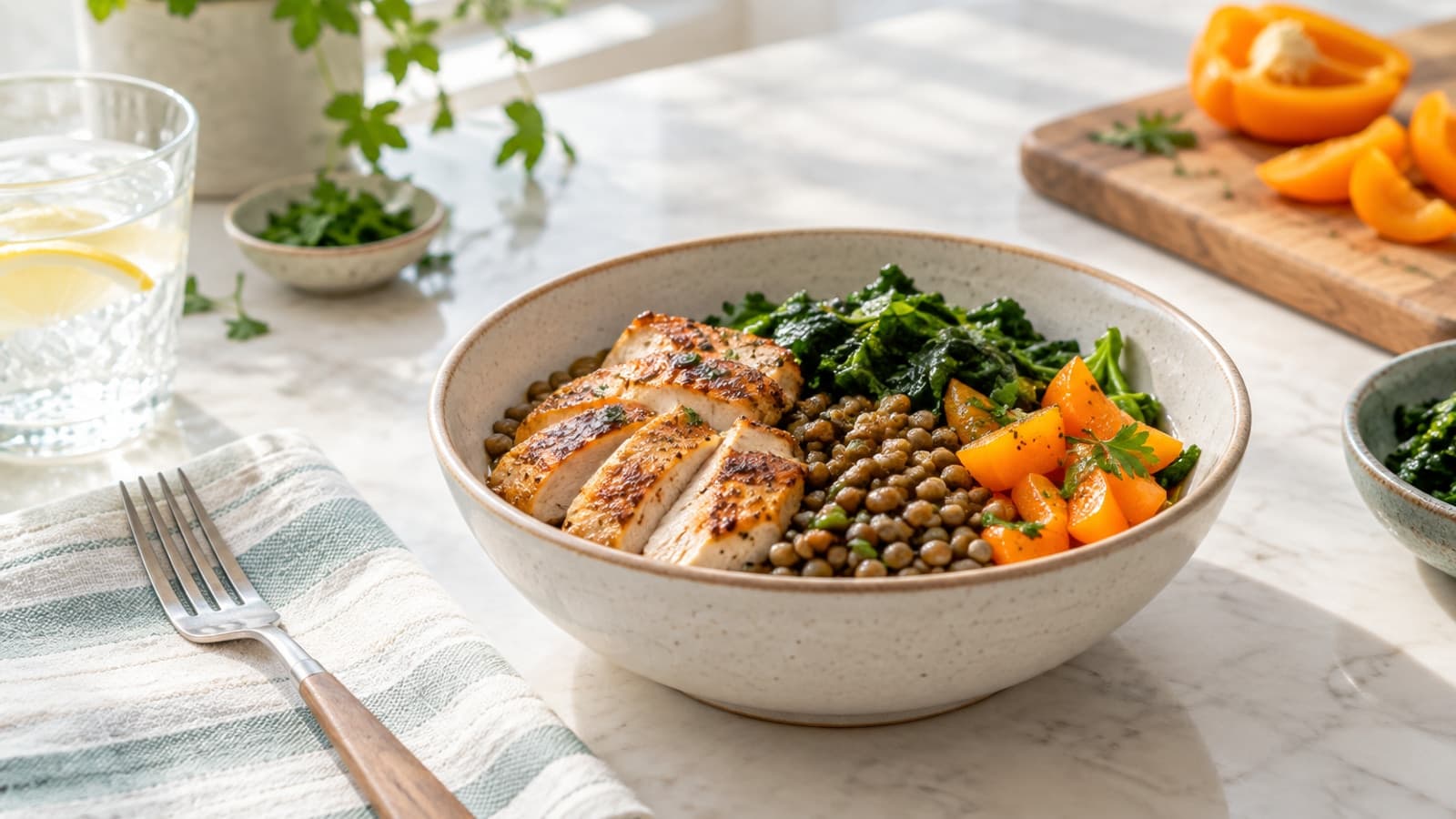
When appetite is limited, try a manageable portion and save the rest safely. A small bowl of chicken, lentils and cooked vegetables can be a starting point. So can tofu with rice, or fish with potatoes, if those foods fit your preferences.
There's no need to force one ingredient every day. Keep two or three easy protein choices and a few sides available, then rotate them as your appetite allows. Our balanced-meal guide offers more ways to put the pieces together.
If you're struggling to eat enough, have symptoms you're concerned about or have been advised to follow a special diet, bring a few examples of your usual meals to your next appointment. That gives your care team something concrete to help you adjust.