










You like the idea of a bike ride, but ten minutes in, the seat is all you can think about. Before deciding cycling isn’t for you—or buying the biggest cushion you can find—take a look at the whole setup.
Comfort involves the saddle, your position, clothing and the length of the ride. There isn’t one seat that works for every person. A bike fitter or knowledgeable instructor can help you sort through the options.
Start with what you feel
Where is the pressure? Does it show up right away or after a certain amount of time? Are your hands, feet or knees also uncomfortable? Note whether you are riding an outdoor bike or a stationary one and whether the problem occurs on more than one machine.
Numbness is a reason to stop, not something to ride through. Dismount safely if you develop numbness, tingling or loss of feeling. If it persists, recurs or worries you, contact a healthcare professional; seek prompt care for severe or concerning symptoms. A new saddle alone cannot determine the cause.
If the sensation followed an injury or you have a condition that affects sensation, tell your care team. Avoid repeatedly testing the same uncomfortable ride while waiting for advice.
Make a useful note about pressure
Try to describe the spot that bothers you rather than simply saying the seat is hard. Is the discomfort at the sitting bones, along a clothing seam or in softer tissue farther forward? Does it begin immediately or only after a longer ride? A few details help a fitter understand what you want to change. They don't identify the cause of numbness or replace medical advice.
An outdoor bike, a shared studio bike and a stationary bike at home may put you in different positions. If one feels comfortable and another doesn't, note that too. Bring the shoes and shorts you normally use when you ask for fitting help, and tell the fitter about anything you've already tried.
Ask about saddle shape before buying
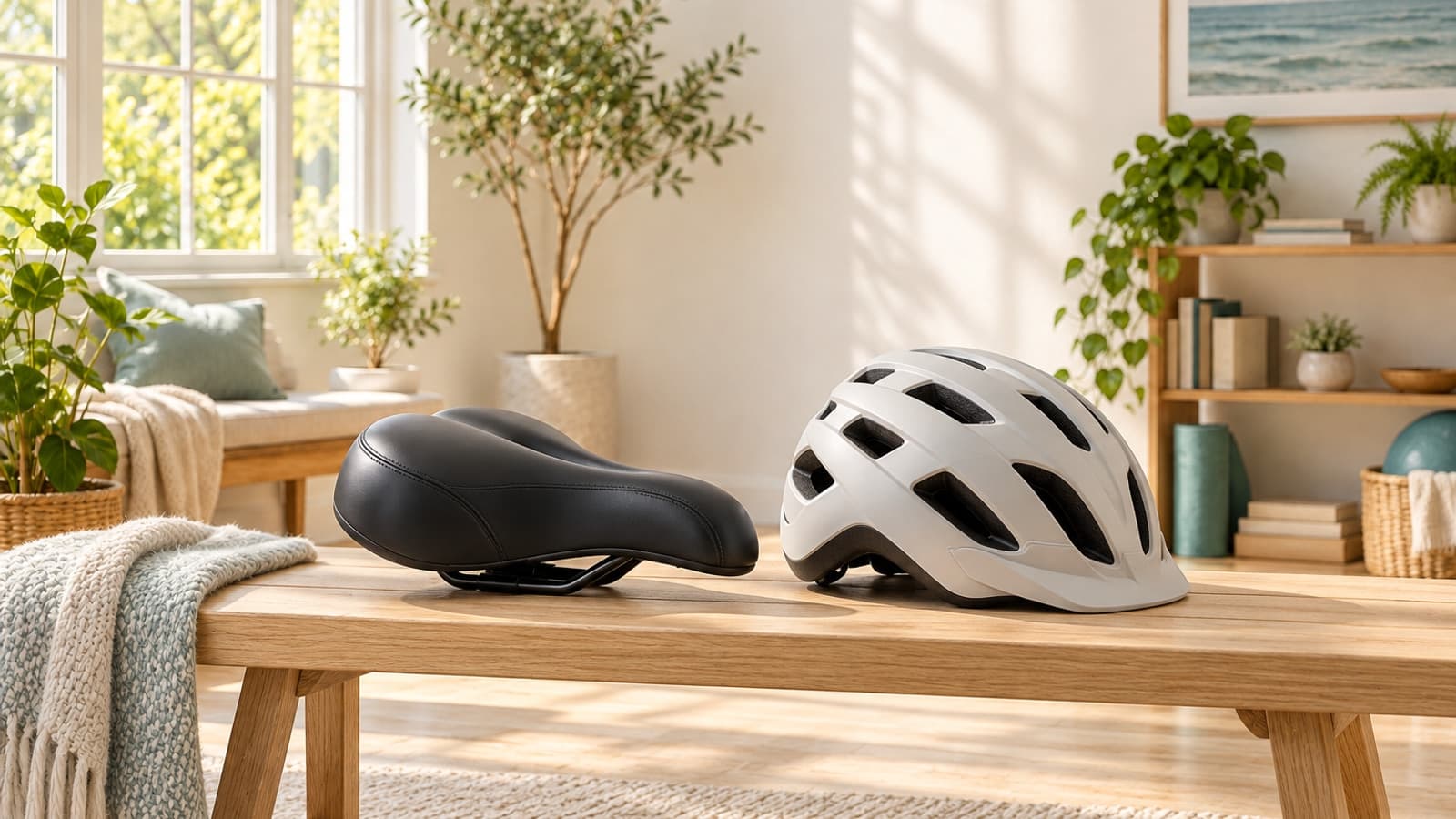
Saddles vary in width, shape and padding. A shop or instructor may be able to discuss which styles can be tried on your particular bike and whether a trial or return is available. Ask what the total cost includes before you commit. The thickest cushion or the seat a friend likes is not automatically the best choice for you.
The rest of the bike affects the way you meet the saddle. Ask a knowledgeable fitter to check your position as well as the seat itself, and follow the manufacturer's instructions for any change. Our earlier stationary-bike guide covers the general seat and handlebar adjustments; here the question is what happens at the saddle during your ride.
Think beyond extra padding
More cushioning isn’t automatically more comfortable for every rider. Some people like cycling shorts; others prefer a different fabric or seam placement. Clothing that bunches or rubs can add another distraction, so a smooth, comfortable fit is worth checking.
Saddle research also has limits. One small study compared an experimental seat with a standard seat in experienced male cyclists and found differences in reported numbness during the test. That is useful evidence that design can matter, but it doesn’t prove which saddle is best for you.
If a class moves faster than you’re ready for, tell the instructor you’re adjusting your setup or taking a break. You can pause and get off rather than staying seated through discomfort. For outdoor rides, choose a route where it is easy to stop safely.
Keep your options open
Once you have a comfortable, secure setup and appropriate advice, try a manageable session and notice how you feel afterward. If the problem keeps returning, bring your notes to a fitter or clinician. There may be several contributing details, and they can help you decide what to change next.
Cycling is just one option during weight management. If it isn’t comfortable right now, our joint-friendly cardio guide covers other ways to move. The best activity is one you can approach without dreading the seat.