










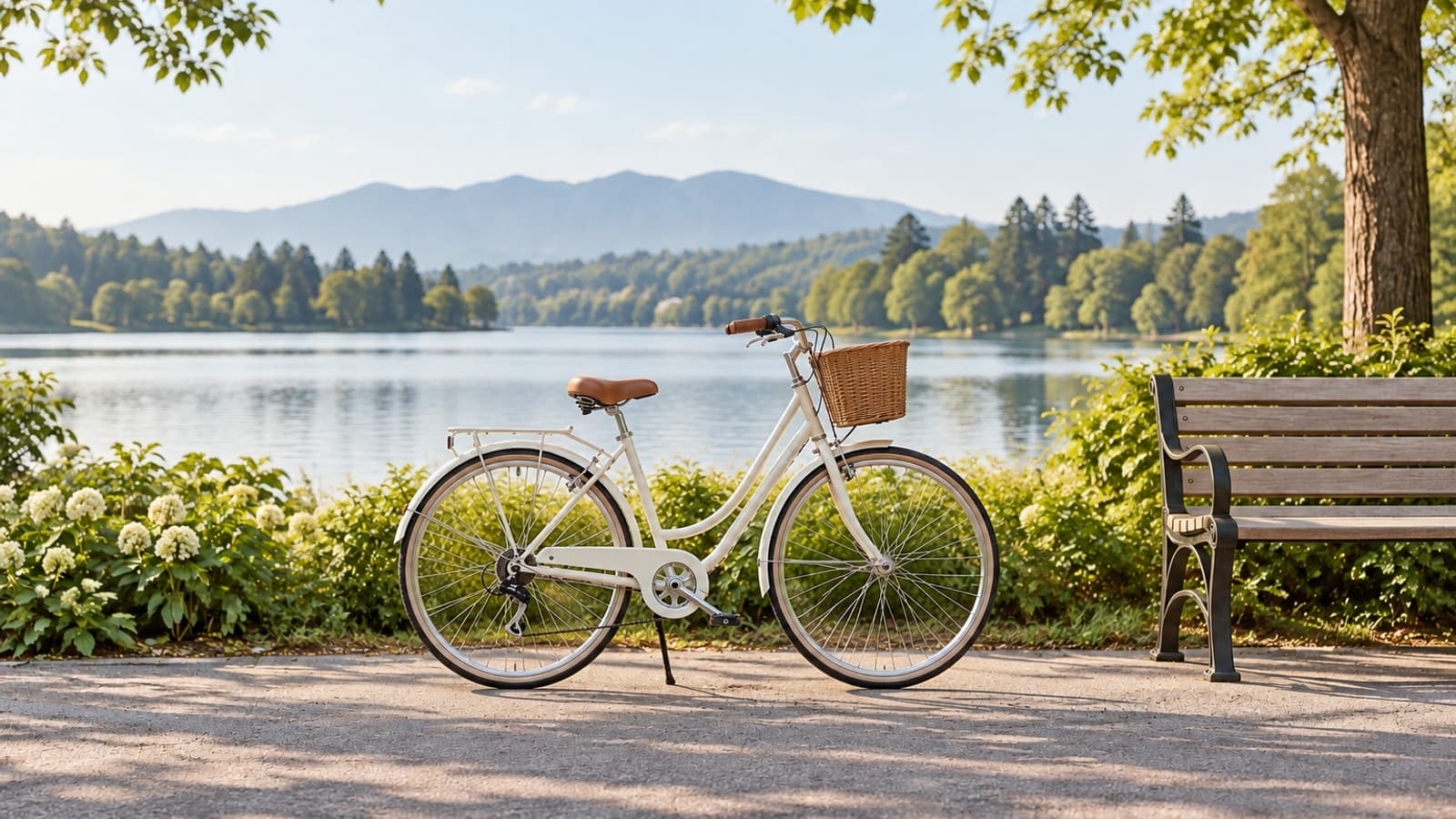
The bike has been in the garage for years, but a quiet ride through the neighborhood sounds appealing again. Before you pump up the tires and head out, give yourself a little time to get reacquainted with both the bike and the route.
Start with a bike that fits and works. A short, easy ride can tell you much more than a long trip on equipment that feels unfamiliar.
Get the bicycle ready
If the bike has been stored for a long time, a shop can check it and make needed repairs. Tires, brakes, chain, gears and wheel attachments all deserve attention. Before each ride, check the tire condition and pressure, confirm that the brakes stop the wheels and look at the chain. If something seems loose, damaged or unreliable, fix it before riding.
The bike should feel manageable for your size. You need to be able to reach the controls and get on and off with confidence. Ask a bike shop or knowledgeable fitter to help with the seat and handlebars if you feel stretched, cramped or unsteady. The right position is personal; copying someone else’s settings won’t necessarily fit you.
Put on a properly fitted bicycle helmet before you ride. It should sit level and snug, with straps adjusted according to its instructions. Tuck away loose laces and clothing so they can’t catch in moving parts.
Practice somewhere quiet
Find a suitable open area away from traffic for a first test. Practice starting, slowing, braking and getting off. Try looking around and signaling only when you can do so safely. If the bike feels difficult to control, stop and ask for help with its setup or try another style.
You don’t have to ride on a busy road to make the outing worthwhile. A designated shared path or a calm local route may give you time to regain confidence. Check where cycling is permitted and be courteous to people walking and other riders.
Keep the first ride short and familiar. Plan a turnaround point and allow time to walk the bike if you prefer. Once the basics feel comfortable, you can extend the route gradually rather than adding distance and traffic complexity at the same time.
Think through the route
Look for crossings, driveways, potholes and places where a path narrows. On roads, follow local traffic rules and ride predictably. Avoid distractions so you can see and hear what’s happening around you. For low light or poor visibility, use appropriate front and rear lights and reflective gear.
Check the forecast and surface conditions. Wind, rain or a steep return route can make a familiar trip feel different. A route that seems easy on the way out should leave enough energy and daylight for the way back.
If you’d feel more comfortable with a refresher, look for a local adult cycling class or go with an experienced friend who is happy to keep the pace relaxed. You can stop and adjust the plan whenever you need to.
Decide what to repeat
After your ride, notice your hands, shoulders, seat comfort and legs. Persistent discomfort is a reason to ask for a fitting or health advice, not a signal that you need to tough it out. If riding outside isn’t enjoyable, an indoor bike or another activity may suit you better.
If nausea or vomiting makes drinking difficult, or you feel dizzy while using a GLP-1, check in with your care team before you ride. Stop and seek help for pain, feeling as though you might pass out, or breathing trouble beyond what you expect. Call 911 for new or unexplained chest pain or other severe symptoms.
Our joint-friendly cardio guide explores other choices. A relaxed trip around a quiet loop is a good way to see whether you’d like another ride.