










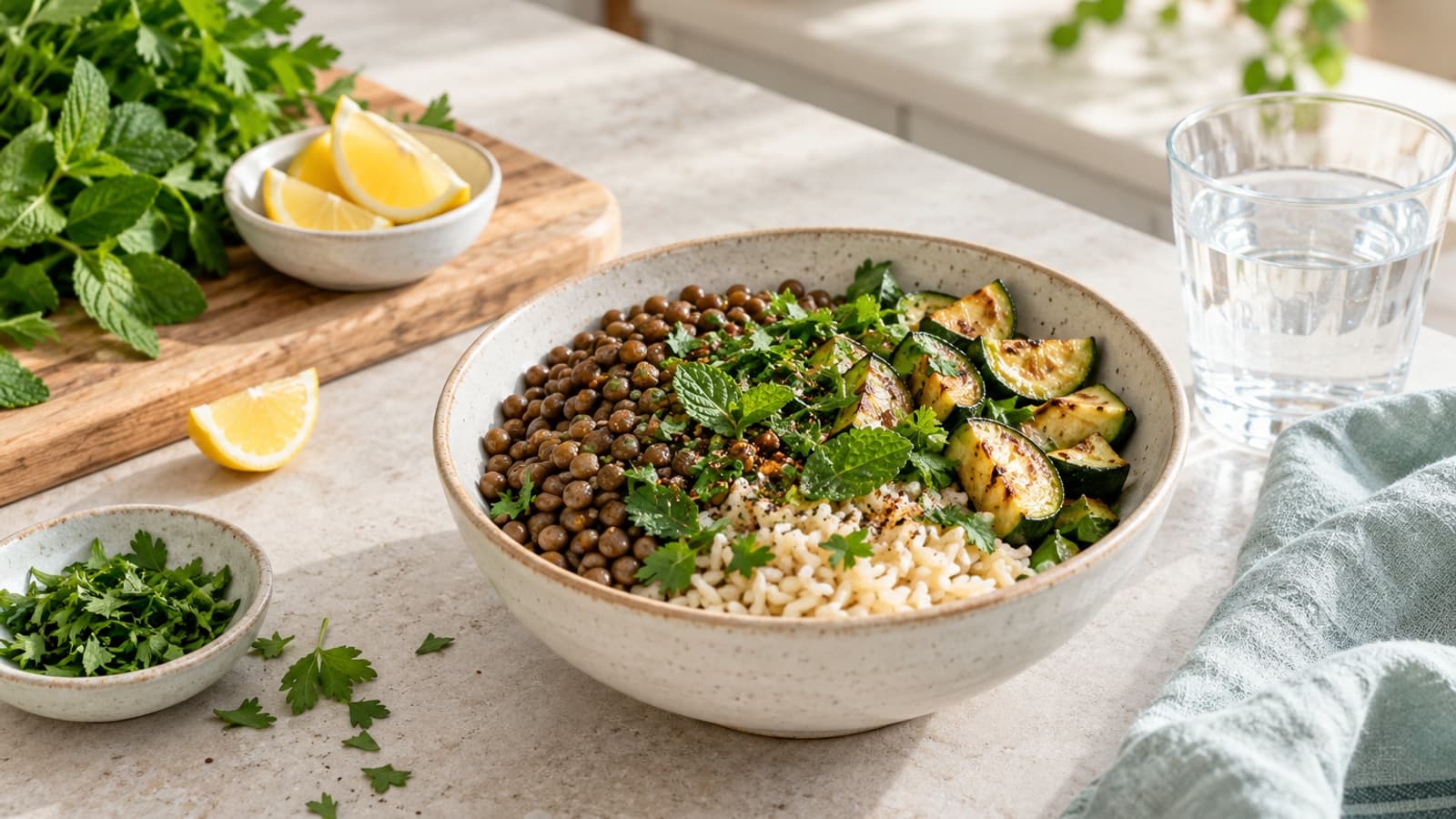
When your appetite or schedule changes, you may find yourself relying on the same two meals. That can work for a while. Then another container of the same lunch starts to look a lot less appealing.
If you choose foods according to halal practices, a little planning can give you more options without asking you to set those practices aside. The choices that work for you depend on the standards you follow.
Start with foods you already trust
Think of protein choices as a rotation, not a list of foods you must eat every day. Depending on your preferences and dietary needs, your rotation might include lentils, beans, eggs, fish, dairy products or meat and poultry that meet your requirements.
For example, a pot of lentils can become a soup one day and a rice bowl the next. Eggs can be cooked for a quick meal or added to a dish you already enjoy. Fish or poultry can be prepared with seasonings familiar to your household and served with a grain and vegetables.
There is no need to make all of these at once. Choose two or three options you like, then change the seasonings or sides when you want something different.
Check the product, not just the name
A food's name doesn't always tell you everything about its ingredients or preparation. Packaged foods can contain ingredients such as gelatin, enzymes or flavorings whose sources may need checking for your own practice.
If you're unsure, look for the certification or information you rely on, contact the manufacturer, or ask a trusted religious authority. Ingredients and certification can change, so check a particular product even if a similar one has worked for you before.
The same goes for sauces, stocks, marinades and ready-made meals. Keep a note of brands or shops that meet your needs so you don't have to start the search again every week.
Plan for the appetite you have
If you're taking a GLP-1 and a large plate feels unappealing, try a smaller serving and see how you feel. You can save the rest for another eating occasion using safe storage practices.
One day that might look like a small bowl of lentils and rice with cooked vegetables. Another day it could be a piece of fish with potatoes and cucumber. If a full meal isn't appealing, a snack that suits your needs may be useful later. The idea is to make nourishment available across the day, not force every food into one sitting.
Appetite and tolerance can vary. If a preparation feels too heavy, you might prefer a different cooking method or a food with a gentler texture. If nausea or other symptoms keep making it difficult to eat, talk with your care team rather than simply removing more foods.
Make a busy week easier
Pick one ingredient you can prepare ahead and one convenient option to keep on hand. You might cook a batch of beans, portion a favorite poultry dish, or stock a checked canned food. Add a grain, bread or vegetables when you're ready to eat.
Cost matters too. Dried or canned legumes can be useful pantry options, and frozen foods can help reduce waste. Choose products that fit your budget, taste and requirements rather than assuming a special powder or expensive snack is necessary.
When eating away from home, check ahead when practical. A familiar snack can help if the available options turn out to be limited. If you manage an allergy or another medical condition, include those needs in the plan as well.
Our balanced-meal guide offers a starting point you can adapt to your own meals.
The best rotation is one you'll actually want to eat. Keep a short list of reliable choices, make room for familiar flavors and adjust it when your week changes.