










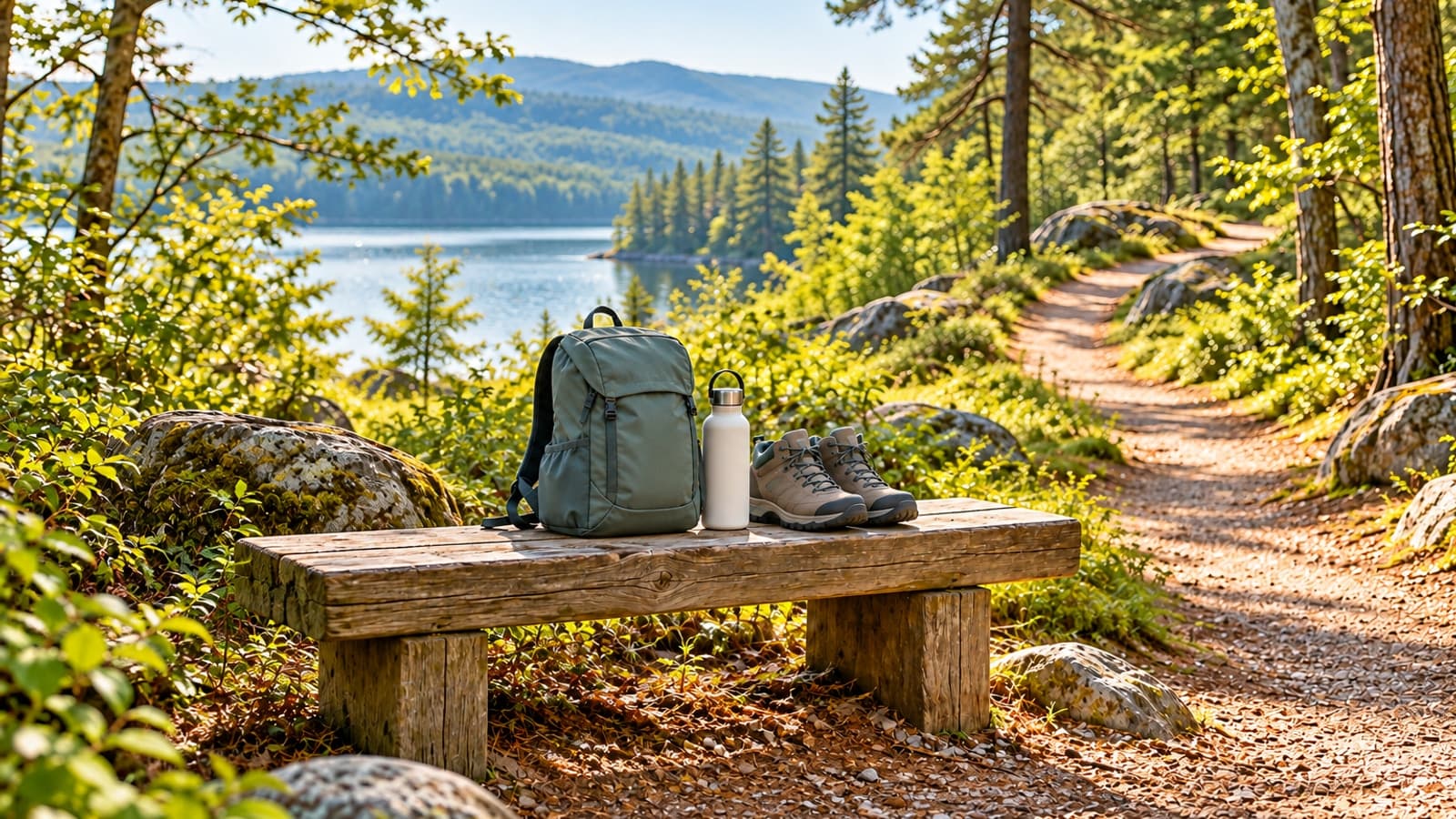
A trail you loved a few years ago may not be the one you want today. Your schedule, confidence, energy and fitness can change, and your hiking plans can change with them.
The trail can be short and still be worth the trip. A shaded loop near a visitor center might give you the time outside you wanted without turning the outing into an endurance test.
Read beyond the mileage
Distance is only part of a trail description. Look at elevation changes, the surface, steps, shade and whether there are safe places to rest. A short rocky trail may take more attention than a longer, level path. Check accessibility details for the specific route and call the park if the description doesn’t answer your questions.
Read recent conditions and the weather forecast, including what may happen later in the day. Rain, mud, high heat, closures or limited daylight can change your choice. If the conditions aren’t right, pick an easier alternative or postpone.
For a first outing after a break, choose a familiar, maintained trail with an easy exit. If you’re going with others, agree on a pace and an early turnaround option before leaving the trailhead. Nobody should have to keep going because they’re worried about disappointing the group.
Plan the way back
An out-and-back route is only halfway done when you turn around. Give yourself enough time and energy for the return, and choose a turnaround time before you start. If you reach it earlier than expected, that’s fine. Turning back is part of the plan.
On a loop, check whether the latter part has steeper ground or fewer exits. Carry a map you know how to use and check the route as you go. A phone is useful, but coverage and battery life aren’t guaranteed, so don’t rely on it as your only navigation or emergency plan.
Tell a trusted person where you’re going and when you expect to return. Let them know when you’re back. For unfamiliar or remote areas, follow the park’s safety guidance and consider going with a companion who knows the route.
Pack for the actual outing
Wear footwear that fits and is appropriate for the terrain. Take water and food for your needs, and bring layers or rain protection when conditions call for them. Sun protection, a small first-aid kit and a light may also be useful. Check the location’s recommended essentials and adjust your supplies to the trip rather than assuming every trail needs the same kit.
Keep the load comfortable. You should be able to access the things you need without struggling to remove a heavy pack. If you take medication or need to monitor your blood sugar, plan around your usual instructions and discuss activity-specific questions with your care team.
Before leaving the parking area, make sure you know the trail name and how you’ll recognize the return point. A few minutes of orientation can make the rest of the outing more relaxed.
Let your body and the weather have a vote
Pause when you want to. If footing feels unsafe or symptoms develop, turn back or ask for help. Stop for pain, faintness or unusual breathlessness. Call 911 for new or unexplained chest pain or other possible heart attack signs, and seek emergency help for other severe symptoms.
If you’re taking a GLP-1 and have been vomiting, feel dizzy or are struggling to drink, address that with your care team before heading out. A trail is not the place to test how far you can go while feeling unwell.
Afterward, remember the details you liked: the shade, the benches, the view or the short drive. You can return to the same trail or explore another day. Our joint-friendly cardio guide has other options when a trail doesn’t fit the day.