










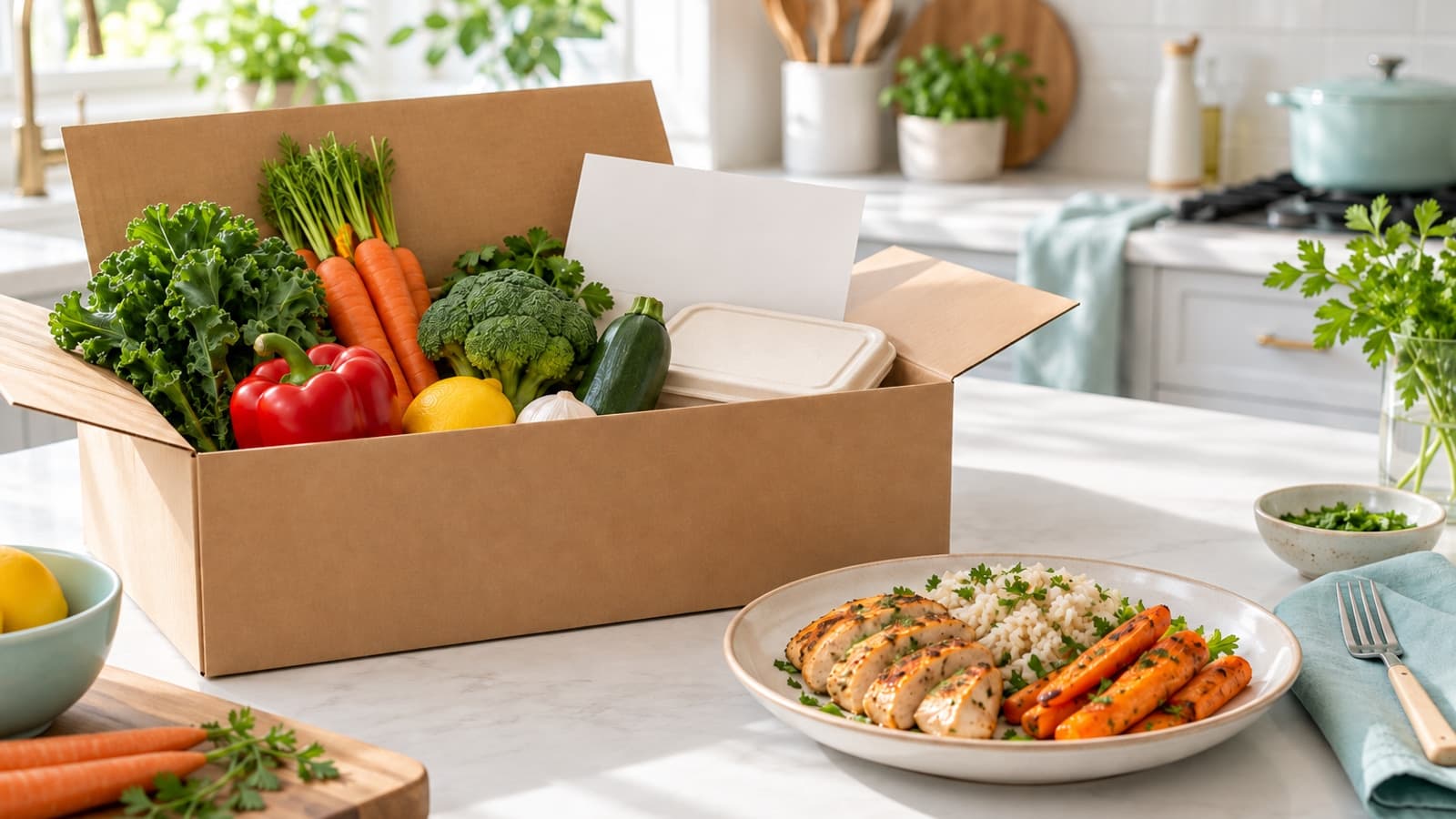
The meal-kit ad says dinner is handled. The box arrives with ingredients and a recipe, which can be a relief when deciding what to cook is the hardest part.
But if your appetite has changed on a GLP-1, the number of advertised servings may not tell you how the box will work in your kitchen. Look at the whole box, not just the price beside one serving.
Start with the meals, not the deal
Browse a week of recipes you can actually choose. Would you be happy to eat them? Do you have the equipment and energy to cook them on the days they arrive? A recipe described as quick can still involve chopping, several pans or cleanup.
Check the ingredients and allergens in each meal. If someone in your household has an allergy, read the service’s ingredient and cross-contact information and contact the company if anything is unclear. Don’t assume a recipe is safe based on its name.
A kit might help one person practice cooking or take pressure off family dinner. It might be less useful during a week filled with travel or late work nights. Either answer is useful before you subscribe.
Think about the portions you’ll use
Imagine a box with two recipes, each advertised as two servings. That’s four listed servings. A household member with a smaller appetite might eat part of one serving at dinner and save the rest, while another person eats a full serving. The box could provide another lunch, but the exact yield depends on what everyone eats and whether leftovers keep well.
You don’t need to divide food according to the recipe card once it’s cooked. Serve an amount that feels comfortable, and offer more if you’re still hungry. The flexible family dinner guide has ideas for sharing one meal without identical plates.
Before counting leftovers as a saving, ask whether you have refrigerator space and will eat them in time. Follow the kit’s directions, refrigerate perishables promptly and use a food thermometer for meats when appropriate.
Work out the actual cost
Here’s an illustrative calculation, not a current offer: two recipes for two people cost $48, and shipping adds $10. The box total is $58 before any other charge, or $14.50 per four advertised servings. If a promotion reduces the first box, look at the price after it ends too.
Extras, premium meals, taxes, delivery charges and discounts vary by service. Review the order summary before checkout and compare it with the food you would otherwise buy. You’re paying for planning and delivery as well as ingredients, so the lowest grocery-store total isn’t the only consideration.
Be careful with automatic renewals. When we checked HelloFresh’s information on October 31, 2026, the service described a weekly subscription with a shipping charge and asked customers to skip or cancel at least five days before a scheduled delivery. Another service can have different terms. Check your own account’s current cutoff and set a reminder if you want time to decide.
Plan for delivery day
Choose a delivery time when you can bring the box inside promptly. Check that packaging is intact. Use a food thermometer to check delivered refrigerated meat and fish; they should arrive below 40°F. Keep raw meat separate from ready-to-eat foods, and refrigerate or freeze suitable items as directed.
If a perishable item arrives warm, leaking or otherwise questionable, don’t taste it to judge safety. Contact the seller and discard food when you can’t establish safe handling. Save the recipe card only if you’ll actually use it; there’s no need to keep a stack of meals that didn’t work for you.
Try it against a normal week
After a box or two, ask three questions: Did the meals get cooked? Were the portions useful? Was the full cost comfortable after the promotion? If the answer changes from week to week, using a kit occasionally may suit you better than a standing delivery. Check the service’s current skip or cancellation rules first.