










A squat asks your hips and knees to bend as you lower and rise. If your knee complains during that movement, you may wonder whether you’re doing it wrong or whether you should stop altogether.
Start by taking the discomfort seriously. A painful squat is information, not a challenge. There are several reasons a knee might hurt, and a general article can’t diagnose yours.
Notice when the discomfort appears
Did it begin after a new workout, a twist, a fall or a gradual change in activity? Is it present only while lowering, or also when walking, using stairs or sitting? Does it settle afterward, or is it getting worse? These details are useful to share with a clinician or physical therapist.
If your knee becomes very painful, badly swollen, changes shape, locks or gives way, or you can’t put weight on it, seek urgent medical advice. A hot, red knee with fever or feeling unwell also needs prompt assessment. Don’t experiment with another workout while waiting to see if those symptoms disappear.
It can help to notice whether the same discomfort appears when you stand from an ordinary chair or walk downstairs. You can describe those differences at an appointment without repeatedly testing a painful movement or trying to record a perfect video.
For recurring pain or a movement that affects daily life, arrange an assessment. A professional can consider your history, examine the knee and discuss what activity is appropriate. You don’t have to identify a tendon or joint structure yourself before asking for help.
Take a look at the task
Think about what you changed recently. Perhaps you added weight, lowered farther, tried more repetitions or followed a faster class. You may not know which detail matters, and several changes can happen together.
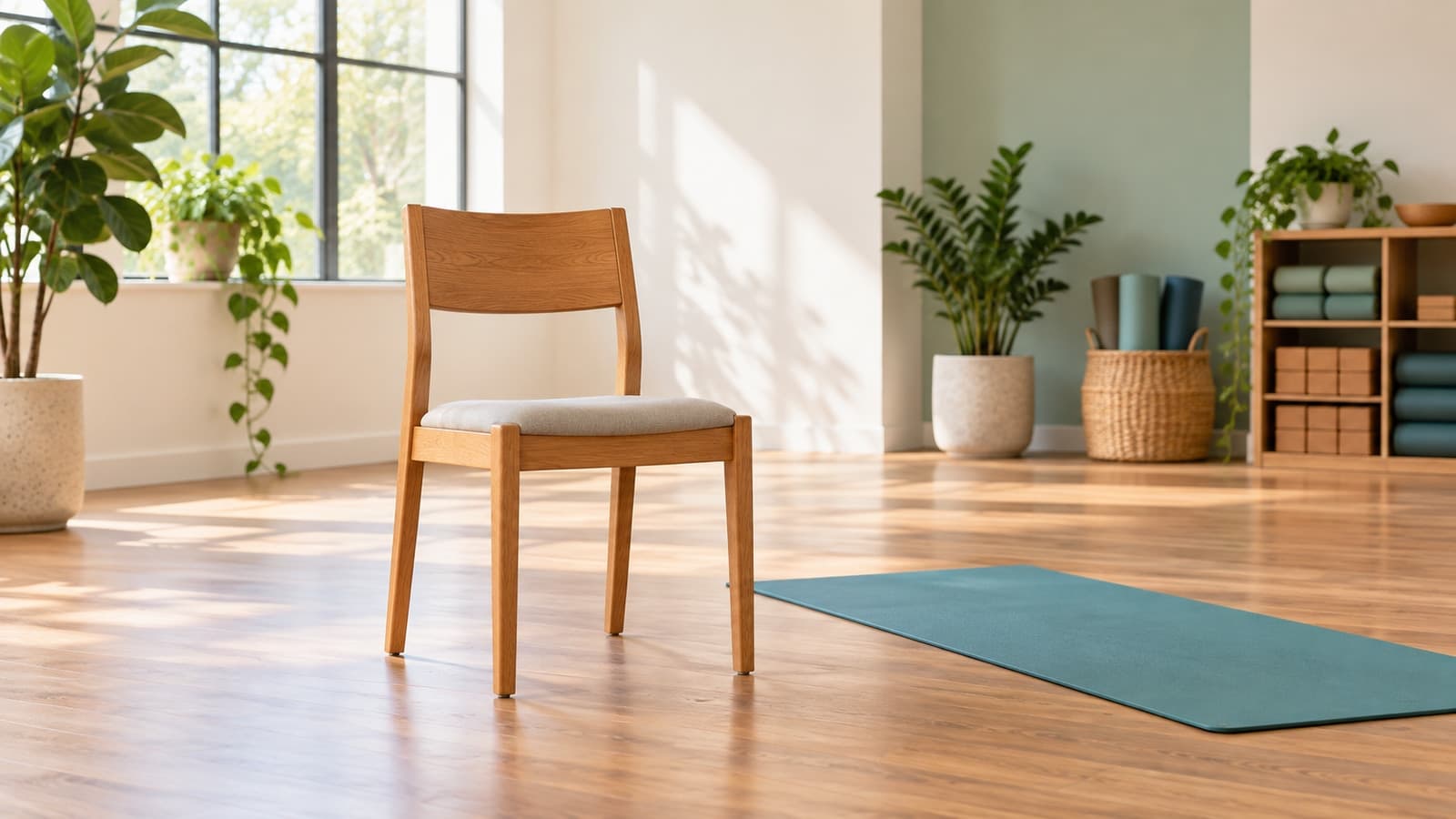
If you’ve been told it’s appropriate to keep exercising, a professional may suggest reducing the load, limiting the depth or trying a supported version. A stable chair or a securely fixed counter can provide support in some situations. The right choice depends on your symptoms and abilities; a picture of a chair is not a personal rehabilitation plan.
Don’t use a rolling chair or a support that can slide. If an adjustment increases pain or makes you feel unsteady, stop and ask for another option. There is no universal squat depth or foot position that will solve every knee problem.
You can choose another movement
You might pause squats while continuing another activity that your care team says is suitable. A physical therapist can help choose an alternative based on what you can do comfortably and what you want to return to. The goal might be getting up from a chair, using stairs or returning to a class—not matching a video.
If you’ve been given a specific exercise plan after an injury or procedure, follow that plan and ask the clinician before substituting a general suggestion. A movement that helps one person can be inappropriate for another.
Keep a brief record of the activity, the discomfort and how you felt later. You can use that information at a follow-up instead of repeatedly testing a painful squat to see whether it still hurts.
Don’t let a number make the decision
More weight or a deeper squat isn’t automatically better. A comfortable range and a stable setup can be valuable even if you use them for a while. Give any change time to make sense in the context of your individual plan.
If GLP-1 symptoms leave you dizzy, vomiting or struggling to drink, speak with your care team before a workout. Stop for concerning symptoms such as feeling faint or unusual breathing trouble. Call 911 for new or unexplained chest pain or other possible heart attack signs. Other severe symptoms require emergency help as well.
Our bodyweight training guide covers other ways to set up a home session. You’re allowed to give the knee attention and choose a different plan for today.