










A smaller appetite can make a familiar meal schedule feel different. If you keep kosher, you may also be thinking about which foods fit together in your home and when you'll have another chance to eat.
Your own kosher practice is the starting point. Households and communities may follow different customs, so use the products, preparation methods and guidance you already trust.
Work backward from your day
Think about when you can comfortably eat and what will be available. If a large lunch doesn't appeal, a smaller meal with a planned snack later may be easier.
For someone who separates meat and dairy meals, timing can affect which snack is convenient afterward. You already know the practices you follow; the practical step is to have a suitable option ready for the part of the day when you might want it.
That could mean keeping a checked pareve snack at work, preparing a small portion of a meal you've made before, or choosing a dairy meal at a time that fits your household routine. Ask your own trusted religious authority when you have a question about a particular product or situation.
Keep a few flexible foods available
Depending on your practice and dietary needs, you might plan around:
- Beans or lentils with rice and cooked vegetables.
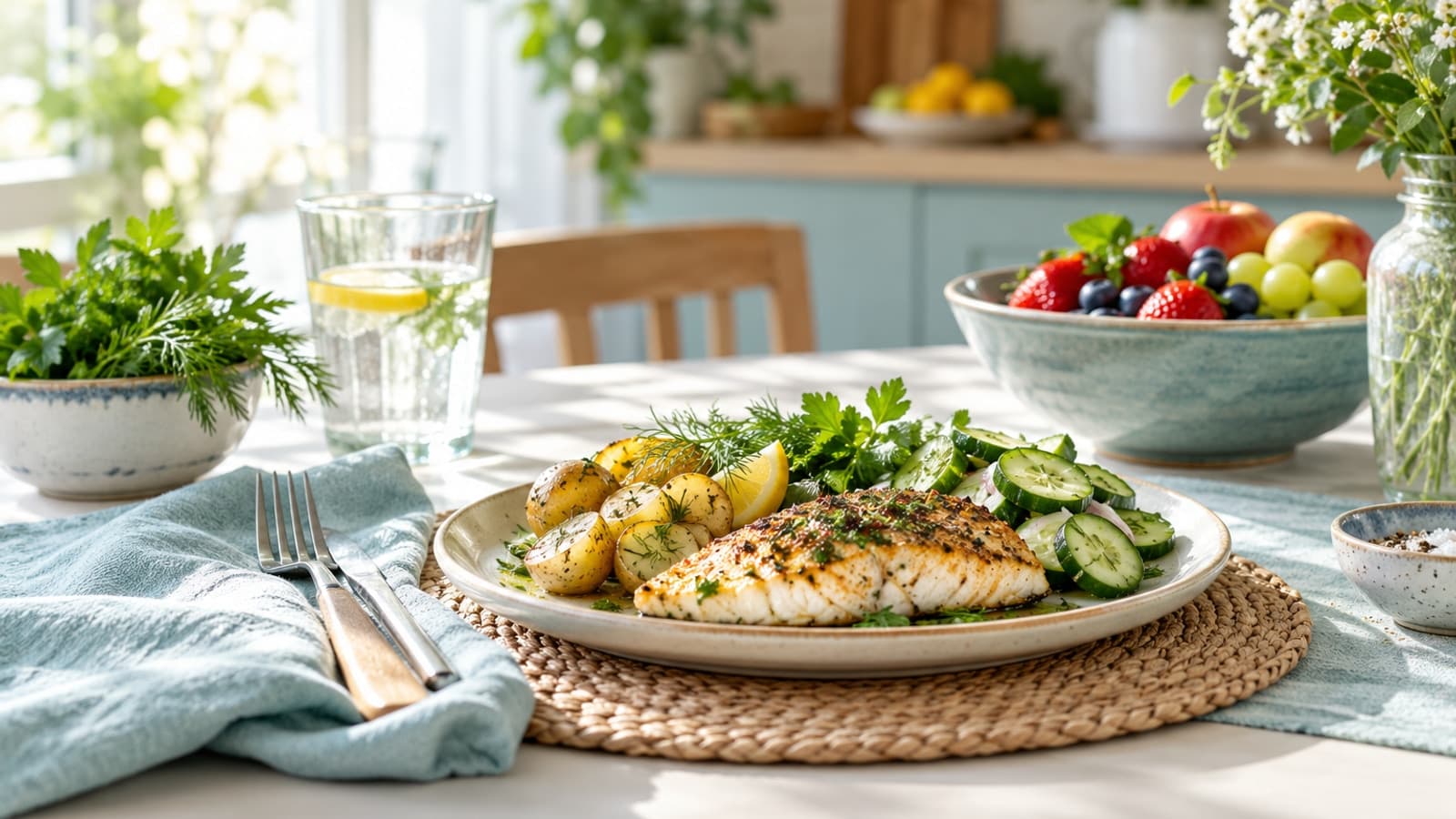
- A checked fish product with potatoes and a salad or cooked side.
- Yogurt with fruit and a suitable cereal for a dairy meal.
- A small serving of poultry with a grain and vegetables.
Verify ingredients and preparation according to your standards. The presence of a particular food in this list does not establish that every product, kitchen or meal is suitable for your observance.
Foods described as pareve are neither meat nor dairy in the relevant certification context. If you rely on a particular certification or have questions about equipment and preparation, check the specific product rather than guessing from its name.
Make the smaller meal useful
An appetite change doesn't remove your need for nourishment. Consider protein foods, carbohydrates, produce and fats across the day. They don't all have to fit into one small plate.
A bowl of lentil soup with bread may be enough for one eating occasion, with fruit or another suitable snack later. A modest portion of fish and potatoes can be saved for another meal if you prepare more than you want at once. Follow safe storage practices and your household's kitchen arrangements.
If nausea is making it difficult to eat, start with foods and textures that are comfortable for you. Persistent symptoms deserve a conversation with your care team; continually cutting foods can make a small menu even harder to manage.
Shopping and eating away from home
Keep a short list of products you already use and where you find them. If a familiar item changes its packaging or ingredients, check it again. A shelf-stable snack can be useful on a long workday or when travel plans change.
When someone else is preparing food, explain the needs relevant to your practice and ask about ingredients and preparation. You don't have to turn a shared meal into a lecture; a brief conversation ahead of time can make the occasion easier.
If you also manage allergies, diabetes or another condition, those needs belong in the plan too. A dietitian can help you find options without assuming that you want to change your religious observance.
Our balanced-meal guide gives a general food-group framework that you can adapt to your own table.
The aim is a routine that respects what matters to you and still gives you enough room to eat comfortably. Start with a familiar meal and adjust the timing or portion before deciding you need a completely different menu.