










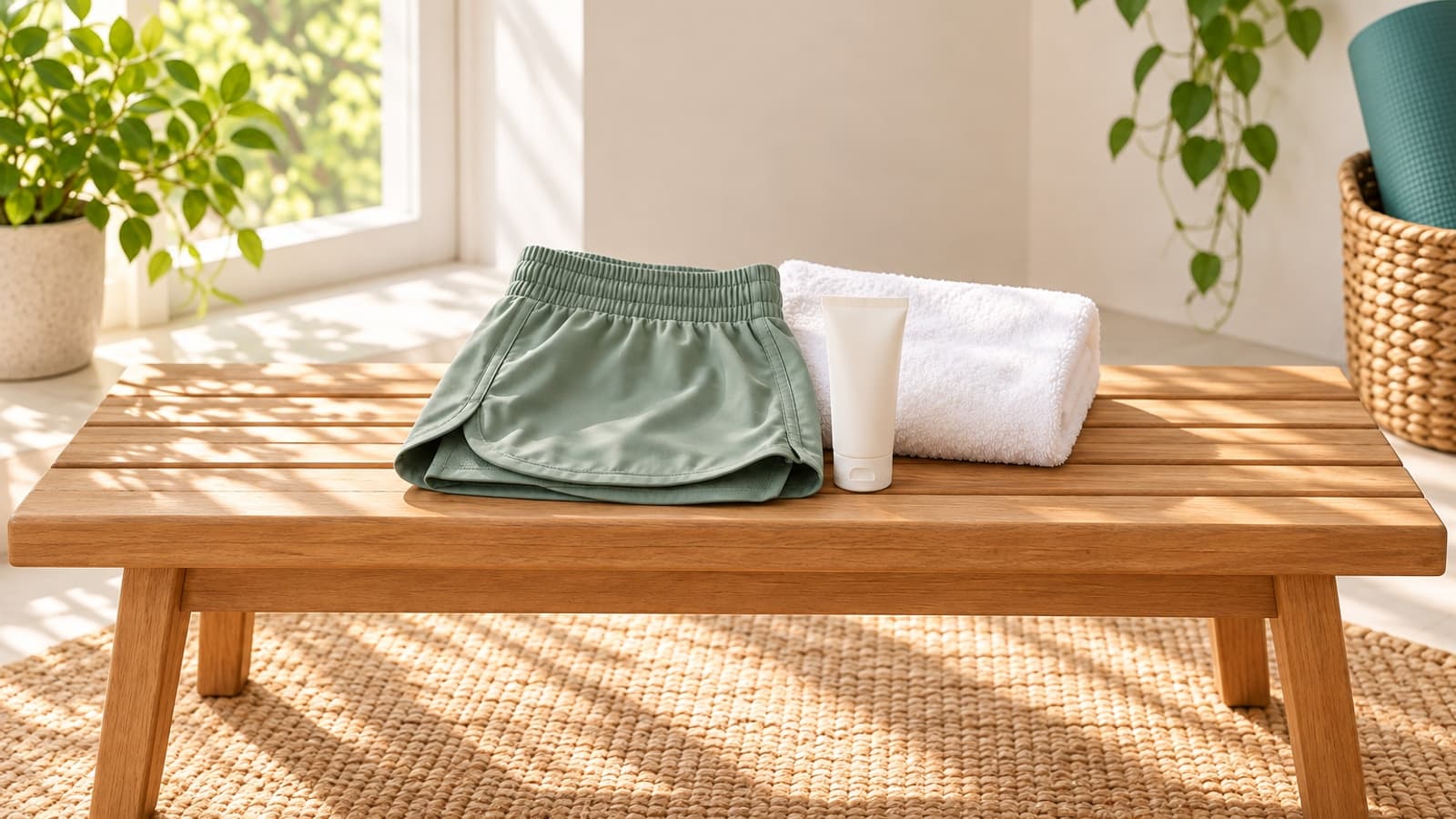
The walk felt good until the last few blocks. Then a seam started rubbing, or damp fabric made a familiar spot feel sore. By the time you get home, you’re thinking more about your clothes than the route.
Chafing is irritation from friction, which can happen where skin touches skin or where fabric repeatedly rubs. It can affect people of many sizes and activity levels. A small clothing change can make a big difference to a walk.
Find the point of friction
Notice where the irritation appears and what touches it. Is it a waistband, an inner-thigh seam, a sock or the edge of a sports bra? Did a particular item bunch up or stay damp? You don’t need to throw out your entire wardrobe; start with the part of the outfit that seems to be causing trouble.
Clothing that fits comfortably without rubbing or bunching is a good place to begin. Some people prefer a smooth longer short under loose shorts; others like a different cut, softer seam or a looser layer. Try a change on a short, familiar outing before depending on it for a long day.
If shoes or socks are involved, check for a rough seam and make sure the shoes fit. Don’t ignore a blister or keep using an item that is breaking the skin. A podiatrist can help if foot problems keep recurring.
Plan for moisture
Sweat, rain or a wet swimsuit can leave fabric against the skin for longer than you intended. Consider packing a dry change of clothes or choosing a material that dries quickly. After activity, change out of damp clothes and gently clean and dry the area; avoid scrubbing irritated skin.
For a spot that regularly rubs, a small amount of plain petroleum jelly on healthy skin before activity may reduce friction. Test any product cautiously if your skin is sensitive, and stop using it if it causes irritation. If you have broken skin, a persistent rash or a condition that affects skin healing, ask a clinician what care is appropriate rather than covering the problem and continuing as usual.
A barrier product is an option, not an invitation to push through increasing pain. You can shorten the route, take a break or choose another activity while the area settles. Avoid putting a product on a suspected infection and assuming it will treat the cause.
When a rash needs a closer look
Not every red or sore patch is ordinary chafing. Skin irritation can have several causes, including reactions to a product or an infection. If it keeps returning, spreads or isn’t improving, a healthcare professional can assess it and suggest treatment that fits the cause.
Seek prompt medical advice for rapidly worsening skin symptoms, discharge, increasing pain or feeling unwell. If you have diabetes, follow your foot-care plan and contact your care team promptly about a new foot sore or blister, even if you don’t feel much pain.
Bring the useful details to an appointment: when the irritation started, what you were wearing, any new product you used and whether the area is changing. A quick note is more useful than trying several products at once and wondering which one helped.
Put comfort back on the agenda
An activity plan should leave room for practical things like fabric, weather and access to a shower. If a longer walk isn’t comfortable today, another movement may suit you while you work out the cause. Our joint-friendly cardio guide has some options to consider.
You’re allowed to adjust the outfit, the route or the day’s plan. The goal is to make movement more comfortable, not to see how much rubbing you can tolerate.