










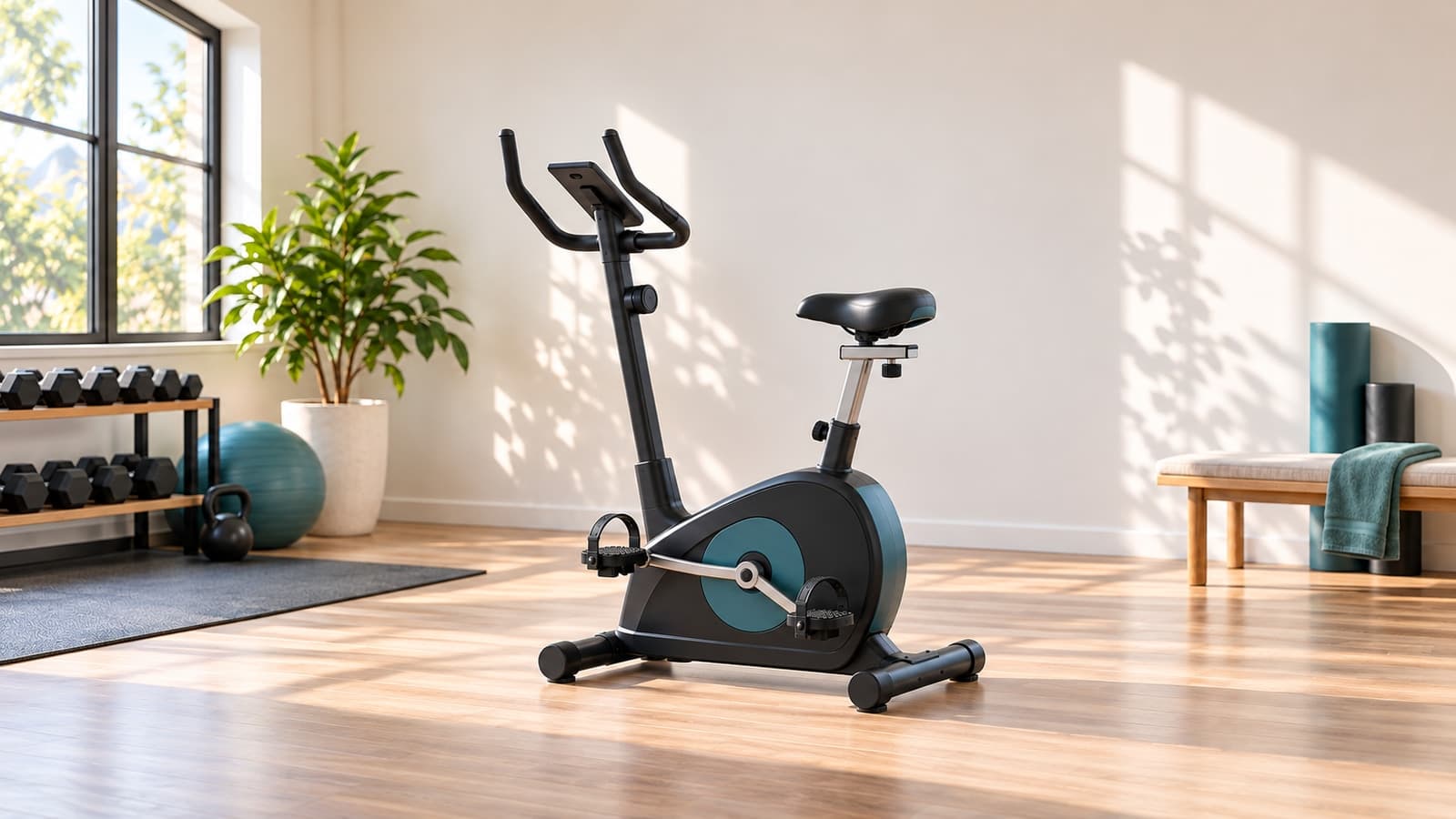
A stationary bike can be a convenient way to move without planning a route or worrying about traffic. But if the seat feels awkward or you have to stretch for the handlebars, adding more minutes may only make the ride less appealing.
Start with the setup. A comfortable bike setup is individual, and the adjustments available on one bike may differ from another. A staff member, cycling instructor or physical therapist can help you find a position that works for you.
Learn the adjustments before riding
Look for the controls that change seat height and, if the bike allows it, seat distance from the handlebars. Some models also let you adjust the handlebar height. Ask how each adjustment locks into place and make changes while the bike is stopped, following that model’s instructions.
Try a position that lets you reach the pedals and handlebars without stretching or feeling cramped. Your knee shouldn’t feel forced into a locked position at the bottom of the stroke. You also shouldn’t have to rock your hips from side to side to reach. These are things to discuss with someone who can watch your actual setup, not a precise formula to apply from a photo.
Make a note of the settings once they feel comfortable. If you use a shared bike, that record can save time on the next visit. A number from one machine may not mean the same thing on another.
The handlebar reach matters too. If your shoulders feel strained or your hands are taking too much of your weight, ask for help adjusting the position. You should be able to pay attention to the ride instead of fighting the setup.
Check how you get on and off
Use the bike’s stable supports as instructed and make sure the pedals are stopped before stepping off. If the seat is difficult to reach or you feel unsteady, ask for help or try another bike style. A recumbent bike has a different seated position and may feel more accessible for some people.
Wear shoes that feel secure. If the pedals have straps, learn how to adjust and release them before starting. You shouldn’t feel trapped or have to struggle to get your feet free. Follow the equipment instructions and ask staff for a demonstration when you need one.
Take a short, easy test ride
Begin with light resistance and a gentle pace. After a few minutes, notice your knees, hips, hands and shoulders. Are you able to sit without reaching excessively? Can you pedal without bouncing or feeling that the resistance is pulling you out of control?
You can stop and adjust rather than waiting until the ride is over. Change one setting, lock it securely and test it again. It may take a couple of attempts to find a comfortable position; the goal isn’t to match another rider’s setup.
If discomfort continues or worsens, stop and ask a health or exercise professional for advice. Knee pain has several possible causes, so a seat adjustment isn’t a diagnosis. Another activity may be a better fit while you get it checked.
Build around how you feel
Once the bike feels familiar, a short ride can become part of a routine you can repeat. Add time gradually if it suits you; you don’t need to turn the resistance up every visit. Leave time to slow down and stop before getting off.
If a GLP-1 symptom leaves you dizzy, vomiting or unable to drink, address that with your care team before exercising. Stop if you feel faint, unusually short of breath or in pain. Call 911 if you have new or unexplained chest pain or other signs of a heart attack.
Our joint-friendly cardio guide covers other ways to move. The best bike setting is one that lets you ride comfortably and come back when it fits your week.