










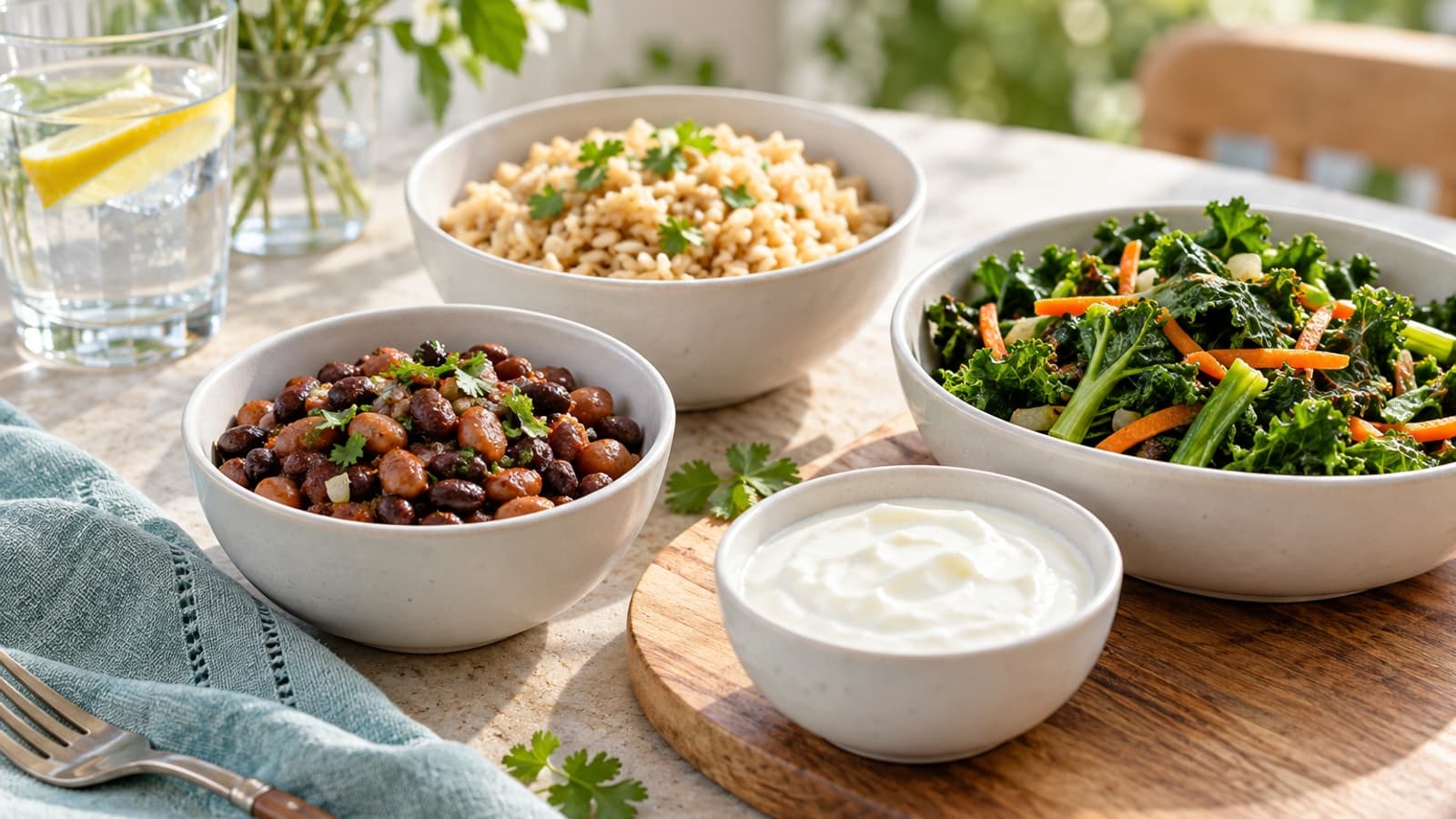
You may have heard of DASH at a blood-pressure appointment and pictured a strict chart of foods you must finish every day. In practice, it can be more flexible than that.
DASH is an eating pattern, not a special product. It emphasizes foods such as vegetables, fruit, whole grains, lower-fat dairy or suitable alternatives, and a variety of protein foods. It also generally means paying attention to sodium.
Why people talk about DASH
The pattern was developed to support healthy blood pressure and heart health. In a controlled feeding study, participants eating the combination diet had lower average blood pressure than those eating the comparison diet over the study period.
That doesn't mean a specific meal will produce a predictable change for you, or that you should alter blood-pressure medicine on your own. Your overall health, treatment and the eating pattern you can maintain all matter.
If you have a blood-pressure goal, ask your care team what to monitor and how your food choices fit with the rest of your plan.
Think across the day
Rather than trying to fit every food group onto one plate, consider a few comfortable eating opportunities. Breakfast might be oatmeal with fruit and a suitable yogurt. Lunch could be bean soup with toast. Dinner might be chicken, fish or tofu with rice and cooked vegetables.
Those are examples, not required meals. If you don't eat dairy, ask a dietitian about alternatives that fit your allergies and provide the nutrients you need. If a food doesn't agree with you, choose another from the options available to you.
On a GLP-1, a smaller appetite may make a large serving uncomfortable. Use a modest portion and save the rest safely, or add a snack later if that helps. The plan's food groups can be spread across the day.
Sodium is one part of the picture
Packaged broth, sauces, breads and prepared meals can vary substantially in sodium. Compare similar portions on the Nutrition Facts panel and look for an option that fits the guidance you've been given.
Herbs, spices, garlic or a little lemon can add flavor. You might choose a lower-sodium broth for soup while keeping the vegetables and protein you already enjoy. Small changes are easier to repeat when the food still tastes good.
Don't assume a salt substitute is right for everyone. Some contain potassium, which can be a concern with certain kidney conditions or medicines. A salt alternative may contain potassium. Kidney conditions and some medicines can make extra potassium risky. Before using one, ask a pharmacist or clinician to check whether that particular product is suitable for you.
You can adapt the ingredients
Fresh produce is useful, but frozen or canned options can save time and money. Check the label for sodium in packaged vegetables or beans if that's relevant to your plan. Store brands and seasonal choices may help with cost.
Choose proteins you enjoy: poultry, fish, beans, lentils or other suitable foods. If chewing, food allergies or another health condition narrows your choices, a dietitian can help you work within those limits.
You don't need to buy a new pantry in one trip. Pick one meal you eat often and decide whether a different side, protein or seasoning would make it fit your goals more comfortably.
When to ask for a tailored plan
The amounts in a DASH guide are general starting points, and individual needs differ. If your appetite is very low, you're losing the ability to eat a variety of foods, or you've been given restrictions for kidney disease or another condition, ask your care team how to adapt the pattern.
Keep taking prescribed medicines as directed. Food choices can be part of your care, while the person managing your blood pressure can help interpret readings and make treatment decisions.
For a broader look at arranging food groups on a plate, see our balanced-meal guide. DASH can be a useful direction, with room for the foods and portions that fit your life.