










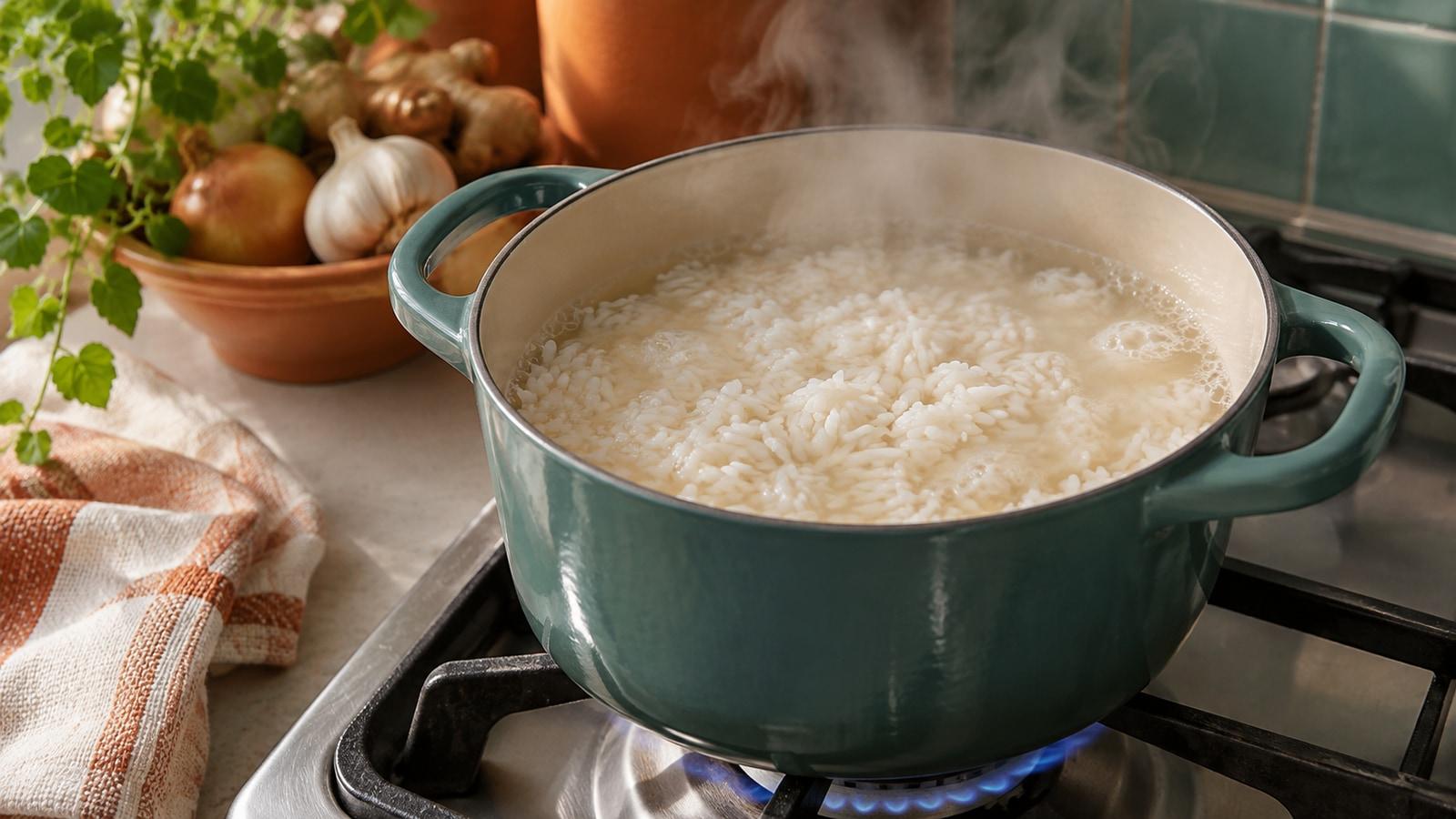
Dry rice is hard. Cooked rice is soft. Flour stirred into a sauce can make it thicker, and oats simmered in water become porridge. Those changes aren't magic, although they can seem that way when dinner is coming together in one pot.
Starch is part of the explanation. Heat and water change the structure of starch in many foods, which changes their texture and can affect how accessible the starch is to digestive enzymes. You don't need to master food chemistry to cook dinner, but knowing a little about it can make the process more interesting.
Starch starts in tiny packages
Plants store carbohydrate as starch. In foods such as rice, potatoes, wheat and corn, starch is organized in small structures called granules. The size and properties of those granules differ among foods.
When a starch-containing food is heated with enough water, the granules absorb water and swell. Their internal organization changes; this process is called gelatinization. Depending on the food and how it's cooked, starch can also move out of the granules and contribute to thickening.
The name may sound like it has something to do with gelatin, but gelatinization is simply the term for this change in starch. You can see an everyday result when a thin mixture of starch and liquid becomes a sauce with more body.
Why rice, oats and sauce behave differently
Not every food turns into the same texture because starch is only one part of the picture. The type of starch, the amount of water, cooking time, temperature and other ingredients all matter. The structure of the food itself matters too.
Oats absorb liquid and soften as they cook. Rice grains swell and become tender, though the result depends on the variety and method. A flour-thickened sauce becomes less thin as the starch changes in the hot liquid. Pasta has its own structure, including proteins that affect how it cooks and feels when you bite it.
Those differences are useful in the kitchen. If a sauce is too thick, a little more liquid may adjust its consistency. If you prefer rice with a firmer texture, follow a method suited to that type of rice. There's no single texture that makes a meal automatically healthier.
Does cooking change digestion?
Starch is broken down by digestive enzymes. Cooking starch with water can make it more accessible to those enzymes, but the result depends on the food and the way it is prepared. In a meal, food structure and other ingredients also matter.
Laboratory studies can help researchers understand how starch behaves, but a test in a dish does not tell you exactly what your blood sugar or appetite will do after your dinner. The amount eaten and the rest of the meal matter, as do individual differences and health conditions.
That is a reason to be skeptical of a claim that one cooking technique makes all carbohydrates “good” or “bad.” If you monitor blood glucose or have a prescribed eating plan, ask your clinician or dietitian how to interpret your own experience. Don't change a diabetes medication based on a food-science tip.
You don't need to avoid cooked starch
Rice, potatoes, pasta, oats and other starch-containing foods can have a place in an eating pattern that supports weight management. Taste, budget, culture and convenience matter when you decide what to cook. You can choose a portion that feels right and pair it with other foods you enjoy.
For example, a bowl of rice might sit alongside beans and vegetables, while oats could be served with yogurt and fruit. Those combinations are possibilities, not a formula you must follow. If a GLP-1 medicine makes large meals uncomfortable, a smaller starting portion may be easier; have more later if you want it.
Cooking can also make foods easier to chew or more pleasant to eat. If you have been given specific swallowing or texture instructions, follow those rather than assuming every soft food is suitable for you.
A practical note about flour
Flour is often used to thicken sauces, but most flour is a raw food and can contain germs. Cook foods made with raw flour according to their recipe or package directions; don't taste raw dough or batter. Wash your hands and clean surfaces after handling it.
That food-safety point is separate from starch gelatinization. A mixture looking thick doesn't by itself prove that every ingredient has been safely cooked. Follow the instructions for the whole recipe, especially when it also contains raw eggs, meat or other ingredients that need proper cooking.
What to take to the stove
When starch meets heat and water, its structure changes. The swelling and thickening can give porridge, rice and sauces the textures we expect. The exact result varies with the food and preparation.
If you are curious about what can happen after cooking, our guide to starch in cooled leftovers looks at that separate question and the importance of safe storage.
Use that knowledge to make a meal you like, not to chase a perfect texture for weight loss. If you enjoy your rice tender or your sauce a little thicker, that is a perfectly good place to start.