










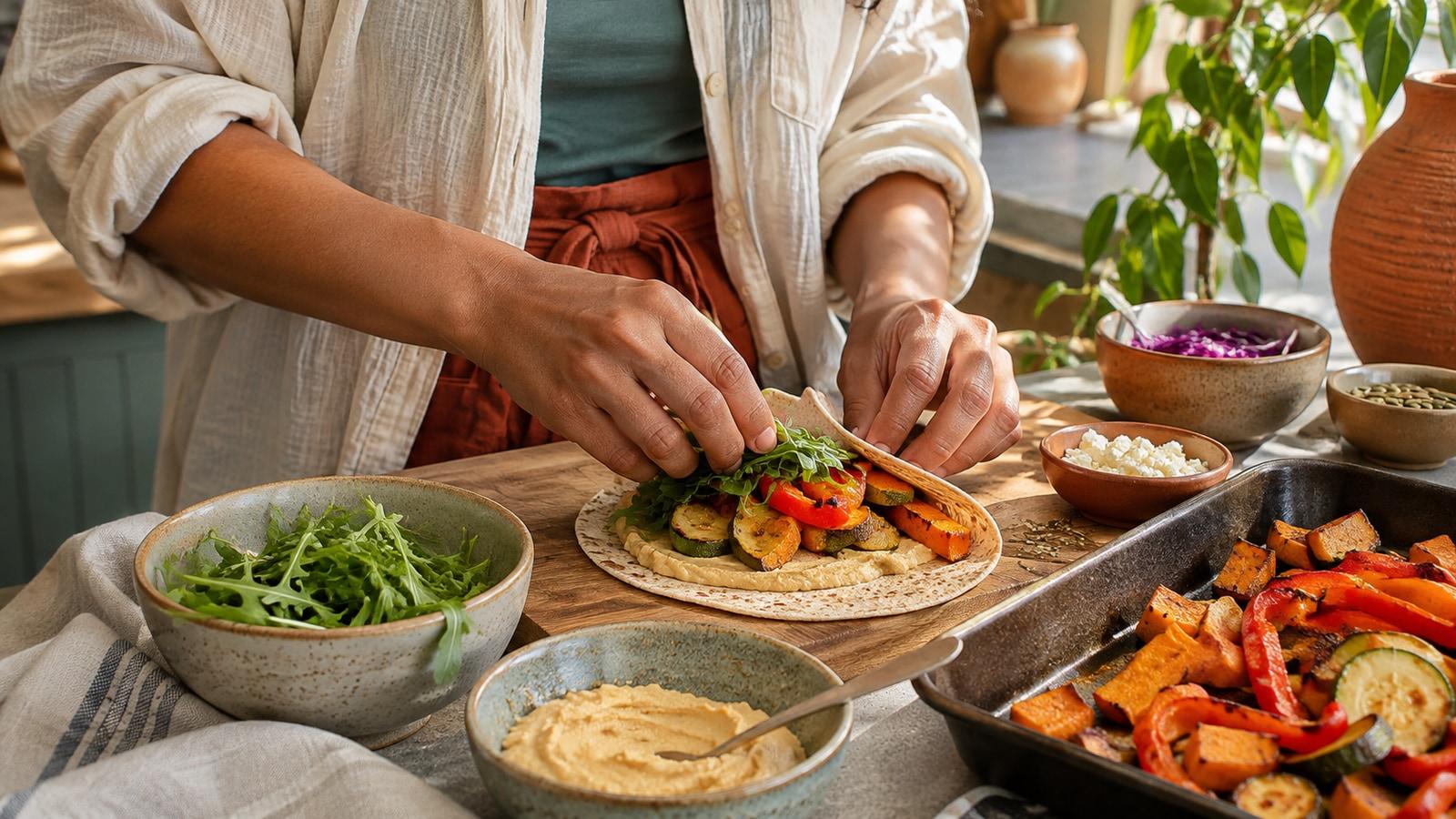
The container in the refrigerator was dinner last night, and nobody is excited to see it again. That doesn't mean the only choices are eating the same plate or throwing everything away. Safely stored leftovers can sometimes become the starting point for a different meal.
Start by checking whether the food was handled and stored safely. A new sauce or a hot pan cannot rescue food that sat out too long. Once you've decided the ingredients are suitable to use, choose one small change in texture, seasoning or serving style.
Check the clock before the recipe
Perishable leftovers should be refrigerated within two hours of cooking or serving, or within one hour if the temperature is above 90°F. Keep the refrigerator at 40°F or colder. Use cooked leftovers within three to four days, or freeze suitable portions for later.
If food sat out beyond the safe window or you don't know how it was handled, discard it. Harmful bacteria don't always make food smell or look different, so tasting a bite isn't a safety test. Labeling containers with the date can make tomorrow's decision easier.
Divide large amounts into shallow containers when you store them so they cool more quickly. Keep raw foods and their juices separate from cooked leftovers. If someone at your table has an allergy, check ingredients and avoid cross-contact when reusing the food.
Change the format
Leftover cooked chicken and vegetables might become a quesadilla filling. A pot of beans could be spooned over a baked potato or added to a soup. Roasted vegetables might go beside eggs for breakfast or into a sandwich with a spread you like.
The goal isn't to hide the food from anyone. Changing how it's served can make the texture or flavor more appealing. Let people choose toppings at the table so the meal doesn't depend on everyone liking the same combination.
Reheat cooked leftovers to 165°F, checking the center with a food thermometer. Bring leftover sauces, soups and gravies to a rolling boil. Stir or rearrange food during reheating so the middle doesn't stay cold.
Bring back a texture you enjoy
Some foods change after a night in the refrigerator. If chicken feels dry, reheat it with a spoonful of broth in a covered dish. If roasted vegetables have softened, fold them into an omelet or serve them beside toast instead of trying to make them crisp again. Cook the eggs fully and reheat the vegetables thoroughly.
If the flavor was too strong the first time, a mild side or a spoonful of plain yogurt may balance the portion for someone who enjoys dairy. Add cold yogurt only after reheating. If a sauce is acidic or spicy and bothers your stomach, leave it off the next batch rather than forcing the same meal again.
You don't need a new sauce for every meal. Often the best clue is the part nobody liked: dryness, softness, too much heat, or simply a portion that was larger than they wanted.
Make a second meal smaller
Sometimes the issue is the amount rather than the flavor. A large container of the same food can look daunting, especially when your appetite is smaller. Portion a manageable amount and save the rest within the safe storage window. Offer a different side instead of serving the same full plate again.
If everyone likes different things, set out the warm base and separate toppings. One person might add beans, another cooked chicken and another extra vegetables. Use clean serving utensils and keep cold foods cold until serving.
For lunch away from home, carry perishable components in an insulated bag with cold packs. Refrigerate them when possible and reheat the cooked portion to 165°F before eating. Add cold greens or yogurt afterward.
Freeze with a future plan
If you know you won't want the food again within a few days, freeze it promptly in portions you can actually use. Label the container with the food and date. A single serving of soup or cooked beans is easier to fit into a busy week than a large unmarked block.
Some foods change texture after freezing. Tender greens and creamy toppings may be better added fresh after reheating. Follow safe thawing and reheating guidance, and bring soups and sauces to a rolling boil.
Freezing is an option for food that has been handled safely; it isn't a way to make spoiled or improperly stored food safe. If you're unsure about its history, let it go.
Ask what people disliked
Was the chicken dry, the vegetable too soft or the sauce too strong? That answer can guide the next meal. Dry chicken might be more appealing with broth; a strong sauce can be served separately next time; extra vegetables might be cooked for a shorter time when first prepared.
It's also okay if nobody wants the same ingredient again. Planning a smaller batch next time can reduce waste without asking anyone to eat food they dislike. Convenience matters, but so does enjoying what is on the plate.
If you're planning the next batch in a slow cooker, our guide to slow-cooker meals and leftovers covers that appliance and its safety considerations.
Start with safe storage, then change one thing. A leftover doesn't need a complete makeover to become a useful meal—it just needs a reason to be appealing today.