










You have a list of restaurants you want to try, a shelf of cookbooks and a group chat devoted to what everyone ate over the weekend. Then your appetite changes, and the thing that used to organize your free time feels different.
It’s reasonable to miss the old excitement. Food can still be part of a good day, and you can explore what enjoyment looks like now without forcing a particular reaction.
Keep the craft, adjust the plan
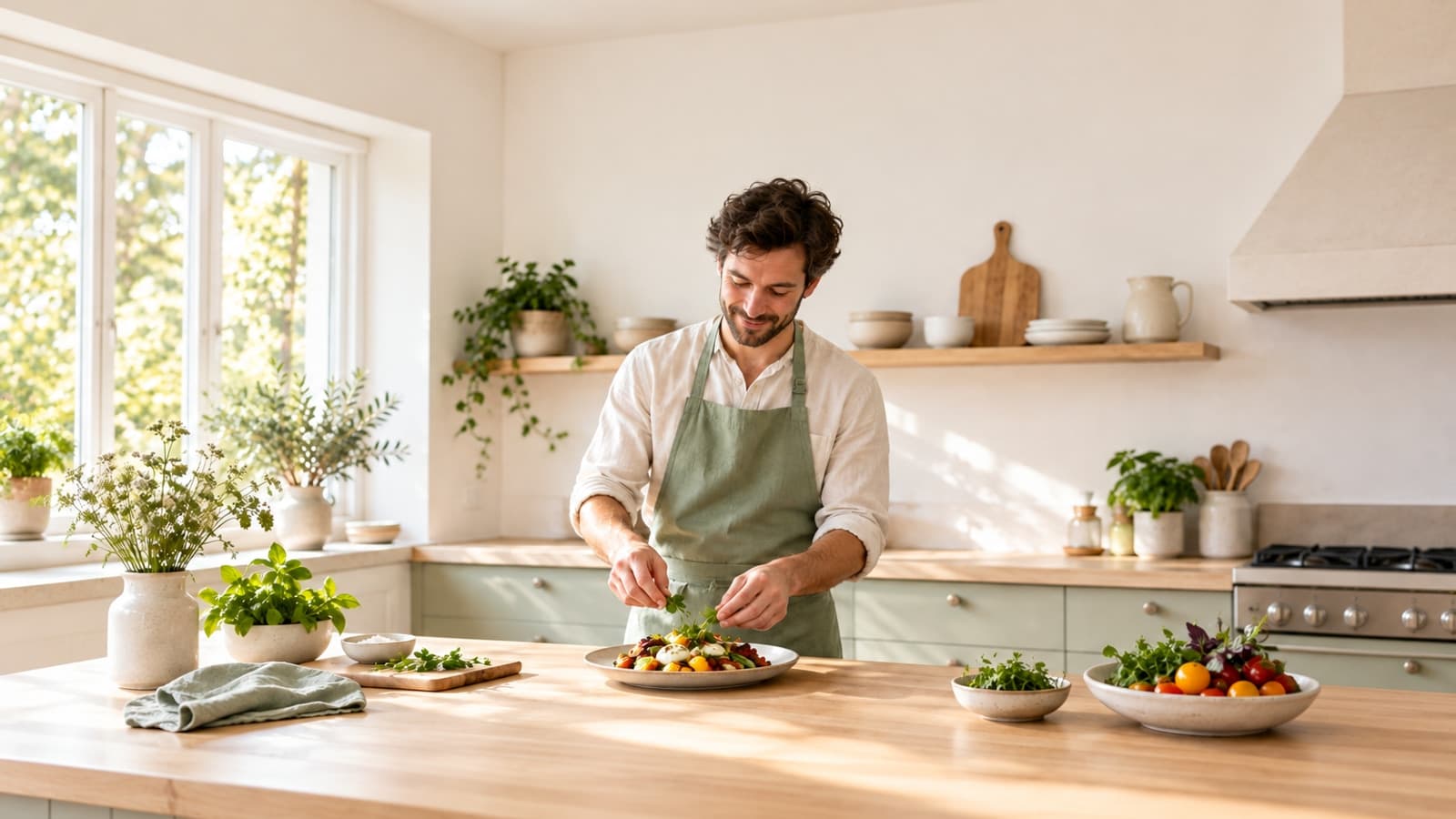
If you love cooking, you might focus on a technique you’ve been curious about: making a sauce, learning to use fresh herbs or preparing a favorite family recipe with someone else. You can cook a full meal for the household without expecting everyone to want the same amount.
Try planning for leftovers when you make a larger dish. Put away perishable food promptly and follow appropriate storage guidance. If you prefer not to have extra servings, make a smaller recipe or share with someone who wants some.
There is no requirement to make every meal elaborate. On a day when cooking sounds like work, something simple can be a perfectly good choice. Enjoyment can return in a different form, or you may find that a simpler routine is what you want right now. Consider keeping an easy meal on hand so that trying a new recipe remains a choice rather than another obligation.
A restaurant visit can still be fun
Look at the menu beforehand if it helps you choose a place that suits the group. You might order an entrée and take some home, share an appetizer with someone who wants to share or choose a smaller dish. The goal is to enjoy the outing and eat in a way that feels comfortable, not to turn ordering into a performance.
If you’re meeting a friend who loves tasting menus, you can suggest an alternative: “I’d love to catch up. Could we choose a place where we can order separately?” You don’t have to explain your treatment unless you want to.
Keep in mind that not every change in appetite is pleasant. If nausea persists or eating and drinking are difficult, tell your care team rather than trying to work around it by ignoring meals.
Give your time another place to go
You may find yourself with a Saturday afternoon that used to revolve around a long brunch. What else sounds interesting? A pottery class, a bookstore, a neighborhood walk or a movie might be fun. You might discover you enjoy browsing a market and bringing home a few ingredients just as much as trying a new restaurant.
There’s no need to replace food with a “better” hobby. You can keep your favorite food traditions and add other interests alongside them. Some weeks you may want to bake; others you may want to do nothing involving a recipe.
If food was also a way to connect with friends, tell them you still want the connection. Suggest cooking together, meeting for coffee or choosing an activity after a meal. Ask what they enjoy too; the best plan will be one both of you actually want.
Make room for mixed feelings
Feeling relieved by a different appetite and sad about an old routine can happen at the same time. You don’t have to call either feeling wrong. Give yourself time to experiment without grading every outing.
If changes around food are causing ongoing distress or making it difficult to eat enough, your care team or a registered dietitian can help you talk through what’s happening. They can consider your health needs and preferences.
Our guide to fullness cues offers more ideas for noticing how meals feel. The food you enjoy and the people you share it with can remain part of your life.