










A zinc supplement can look like a simple answer when your appetite changes. But it helps to separate two questions: which foods provide zinc, and is there a reason for you to take a supplement?
The first question has lots of possible answers. The second depends on your diet, health and any other products or medicines you use.
Start in the kitchen
Zinc is found in meat, fish, poultry and seafood. Beans, nuts, whole grains, eggs and dairy foods provide some too, and certain breakfast cereals are fortified. The amounts vary, so a few different foods across the day can be useful.
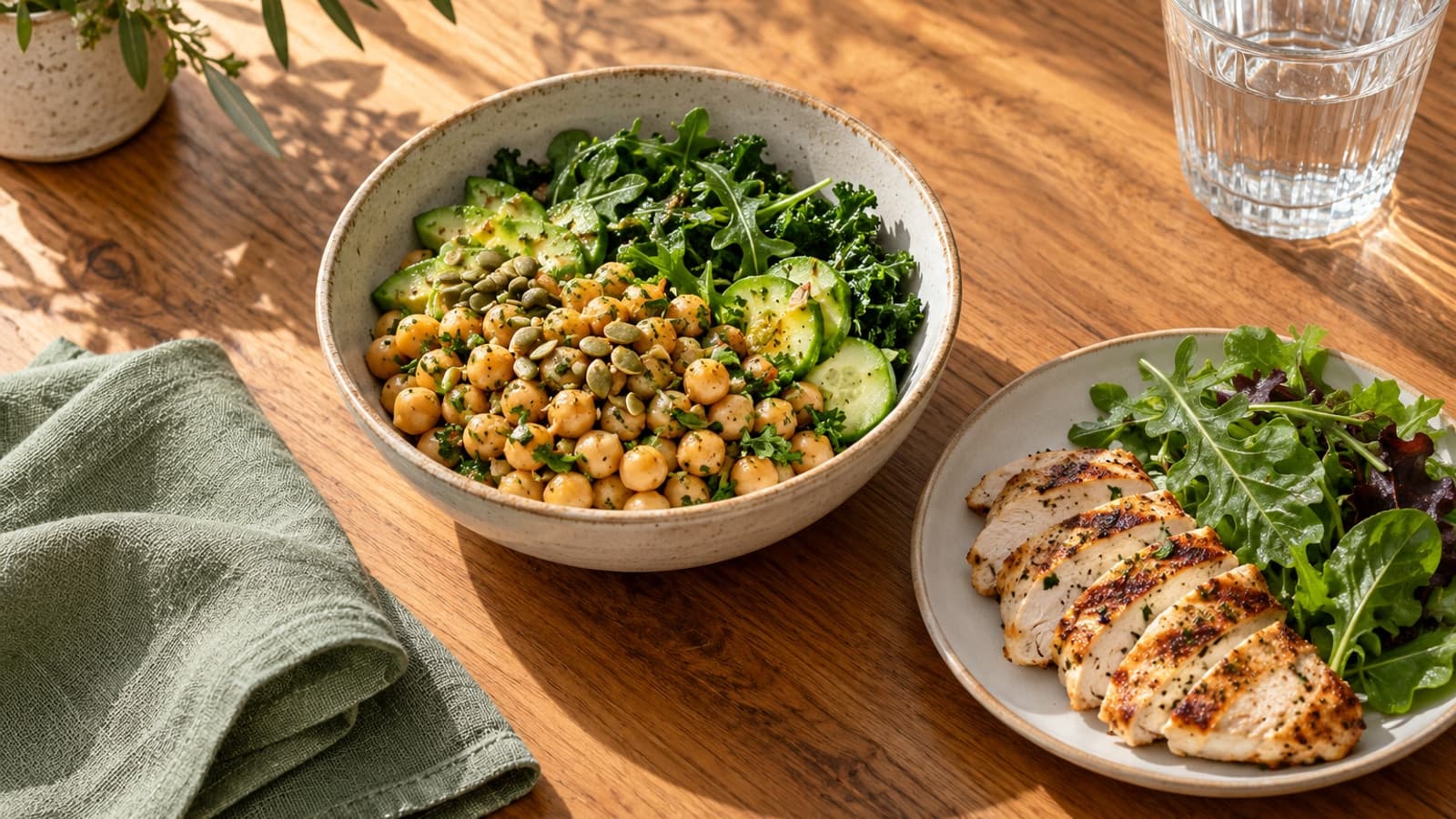
You might add chickpeas to a small bowl, have nuts with a snack, or use a portion of chicken in a sandwich. If cereal is part of breakfast, check whether the brand you buy has zinc added and compare the listed serving with what you normally eat.
For a plant-based meal, beans and whole grains can contribute zinc. A dietitian can help you plan reliable sources if you avoid animal foods or your food choices have narrowed. There's no need to eat a food you dislike solely because it appears on a nutrient list.
What zinc does
Your body uses zinc for several normal functions, including immune function, making proteins and healing wounds. That doesn't mean extra zinc will automatically improve any of those functions in someone who already gets enough.
If you're concerned about a possible deficiency, describe your symptoms and typical meals to a health professional. Changes in appetite, taste or energy can have different causes. A single symptom or online quiz cannot tell you how much zinc you need.
Why the supplement amount matters
Zinc is included in many multivitamins and is also sold by itself. It can appear in more than one product on your shelf, so check the amounts in each before adding them together.
More zinc is not automatically better. Excessive supplemental intake can cause problems and, over time, interfere with copper. Zinc can also interact with some medicines. Ask a pharmacist or health professional to review the product, the amount and your current medicine list.
That conversation is especially useful if you were already advised to take a supplement for a specific reason. Don't stop a prescribed treatment or add a high-dose product based on a general article.
When portions are smaller on a GLP-1
If a full lunch isn't appealing, a smaller serving of a familiar food may be easier to manage. A little chicken with rice, beans in soup or yogurt with a meal can fit different tastes and routines. You can save the remainder and return to it later if you're hungry.
Notice whether you're repeatedly missing entire meals or avoiding foods because of nausea. If that's happening, tell your care team. A supplement discussion is not a substitute for addressing persistent symptoms or the challenge of eating enough.
Our guide to building balanced meals while taking a GLP-1 can help you think beyond any one nutrient.
A simple label check
Look at the Supplement Facts panel, not just the large claim on the front. Note the serving size and zinc amount, then compare it with the multivitamin or other products you already take. Bring the containers or photos of the labels to your next appointment.
Check how many tablets or gummies make up the listed serving. If you take a different number, the amount you consume may differ from the figure shown.
Food is a good place to begin the conversation. If there's a specific gap, your care team can help you decide whether a supplement is useful and how it fits safely into the rest of your routine.